JHDD Branding Report — 2026.06.15
The strategic imperative for brands is no longer about owning a narrative, but about curating an access point.
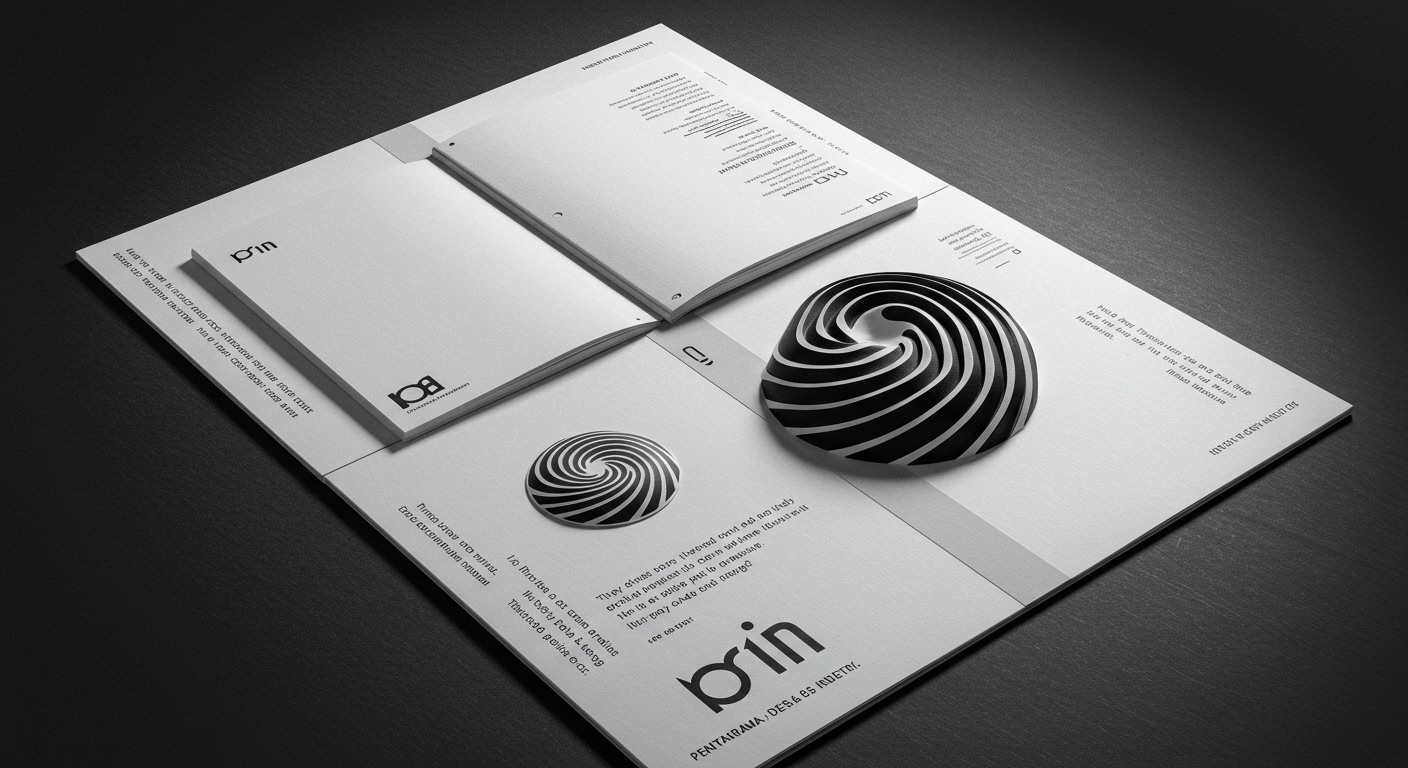
Across the recent visual discourse, from Pentagram’s adaptable spiral for the Museum of Narratives to the direct, no-nonsense visual language for Leo, a hair rejuvenation brand, and Another Collective’s nostalgic reinvention for Brusco, a distinct pattern emerges: a deliberate retreat from the monolithic brand identity towards modular, context-aware systems. This isn’t merely a stylistic shift; it signals a fundamental recalibration of brand equity in an era of fractured attention and hyper-personalization. The underlying force is the rise of the “Adaptive Brand System,” a paradigm where visual identity becomes less of a fixed monument and more of a dynamic interface, capable of flexing across diverse touchpoints and audience micro-segments. This shift acknowledges that brand meaning is increasingly co-created in real-time by the user and the context, not solely dictated by the brand owner.
What this signifies is a move away from the aspirational, often sterile, perfection of early 2000s branding towards a more grounded, responsive, and even imperfect aesthetic that mirrors the messiness of contemporary life. Take, for instance, Sunwink, the ready-to-drink sparkling tonic. While the articles focus on the packaging’s tactile qualities and the brand’s positioning against dominant players, a deeper reading reveals an identity system built for organic integration rather than forceful imposition. This is in direct opposition to the prevailing industry orthodoxy that often champions bold, singular, and immutable brand expressions. The notion that a brand must be instantly recognizable from a single glance, irrespective of context, is becoming outdated. Instead, the future lies in brands that can seamlessly modulate their presence, speaking differently to the discerning consumer seeking a healthy alternative versus a celebratory indulgence, all within the same overarching framework. This adaptive approach allows for greater intimacy and relevance, fostering deeper connections by meeting consumers where they are. By late 2027, brands that have not invested in developing robust, adaptable visual identity systems will find their market positioning significantly eroded, struggling to maintain relevance against competitors who can fluidly reconfigure their visual presence to suit specific cultural moments and individual needs.
The friction in this evolution is the inherent human desire for permanence and certainty. Legacy brands, particularly those built on decades of consistent, unchanging visual representation, are resistant to adopting systems that appear fluid or, worse, inconsistent. Think of heritage food brands like Bu Deli, where the appeal often lies in tradition and a perceived unbroken lineage. The risk of alienating a loyal customer base by appearing too “modern” or “unstable” creates a genuine tension. This resistance highlights the challenge of balancing the imperative for agility with the need for foundational recognition, revealing that the most successful brands will be those that can engineer a sense of consistent evolution, rather than abrupt transformation.
For a working Branding professional, the actionable directive this week is to proactively re-evaluate the foundational modularity of existing visual identity systems. Instead of merely executing a brief, focus on interrogating the underlying logic of how a brand’s visual elements can be recombined, recontextualized, and re-scaled to serve emergent needs. This involves shifting from designing a static logo to architecting a dynamic toolkit, thereby building long-term brand resilience.
TL;DR
Brands must transition from fixed identities to adaptive systems to thrive in an era of contextual relevance.
Curated References
About this editorial — This piece was developed using AI-assisted research and curation across multiple industry sources. All analysis, opinions, and predictions represent the editorial perspective of JHDD. Sources are linked in the references section above.