Julian’s Packaging Insight — 2026.06.14
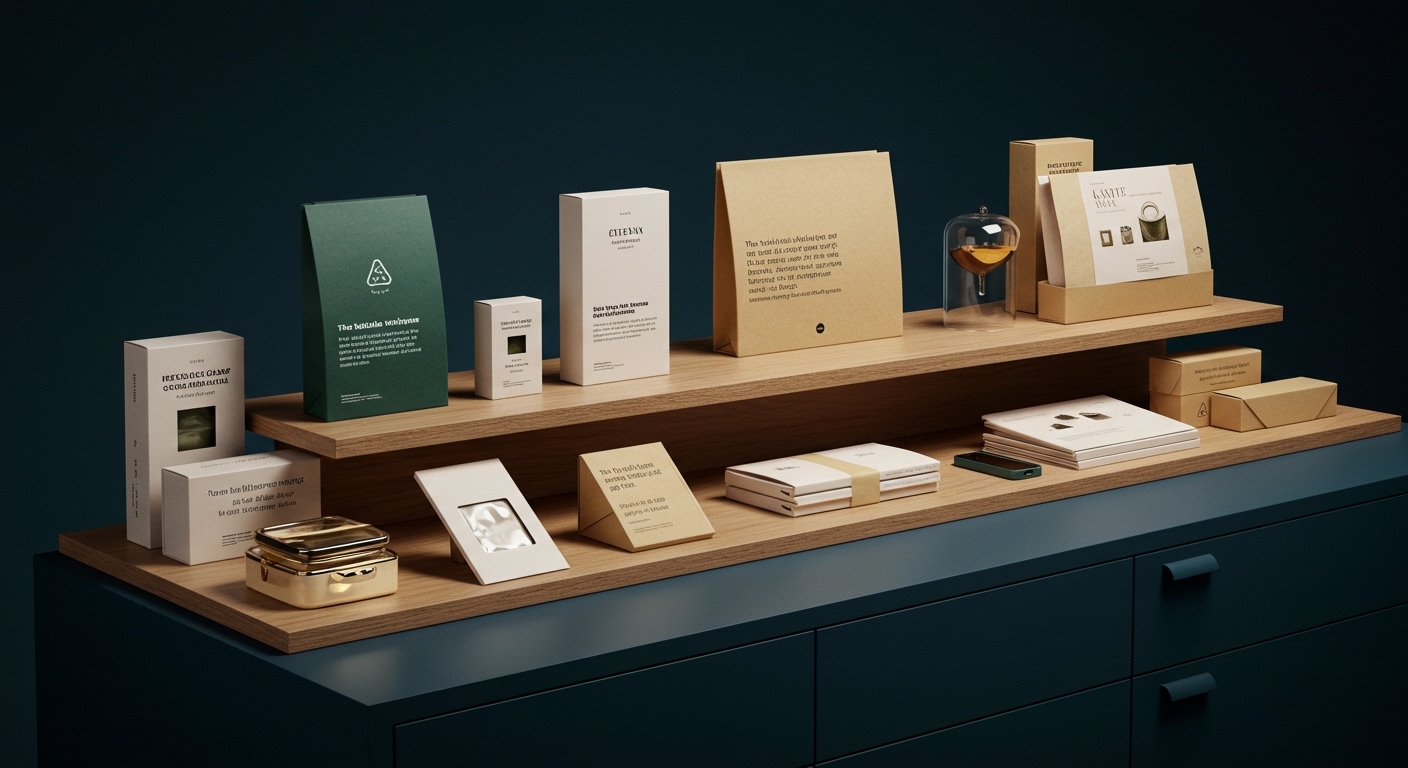
The tactile whisper of a well-crafted package is fast becoming louder than any overt marketing campaign.
In a world saturated with digital noise, the physical touchpoint of packaging emerges as a crucial differentiator, demanding immediate attention from consumers and brands alike. This is a moment where the unboxing experience transcends mere novelty, becoming a deeply sensory narrative. Sustainable materials are no longer a niche consideration but a foundational expectation, shaping how products are perceived from shelf to hand. Brands are keenly aware that a packaging’s shelf impact isn’t just about visual dominance; it’s about communicating value, heritage, and intention through material choice and form. This is where tactile branding, the intentional use of texture, weight, and form to evoke emotion and brand identity, steps into the spotlight, transforming the mundane into the memorable.
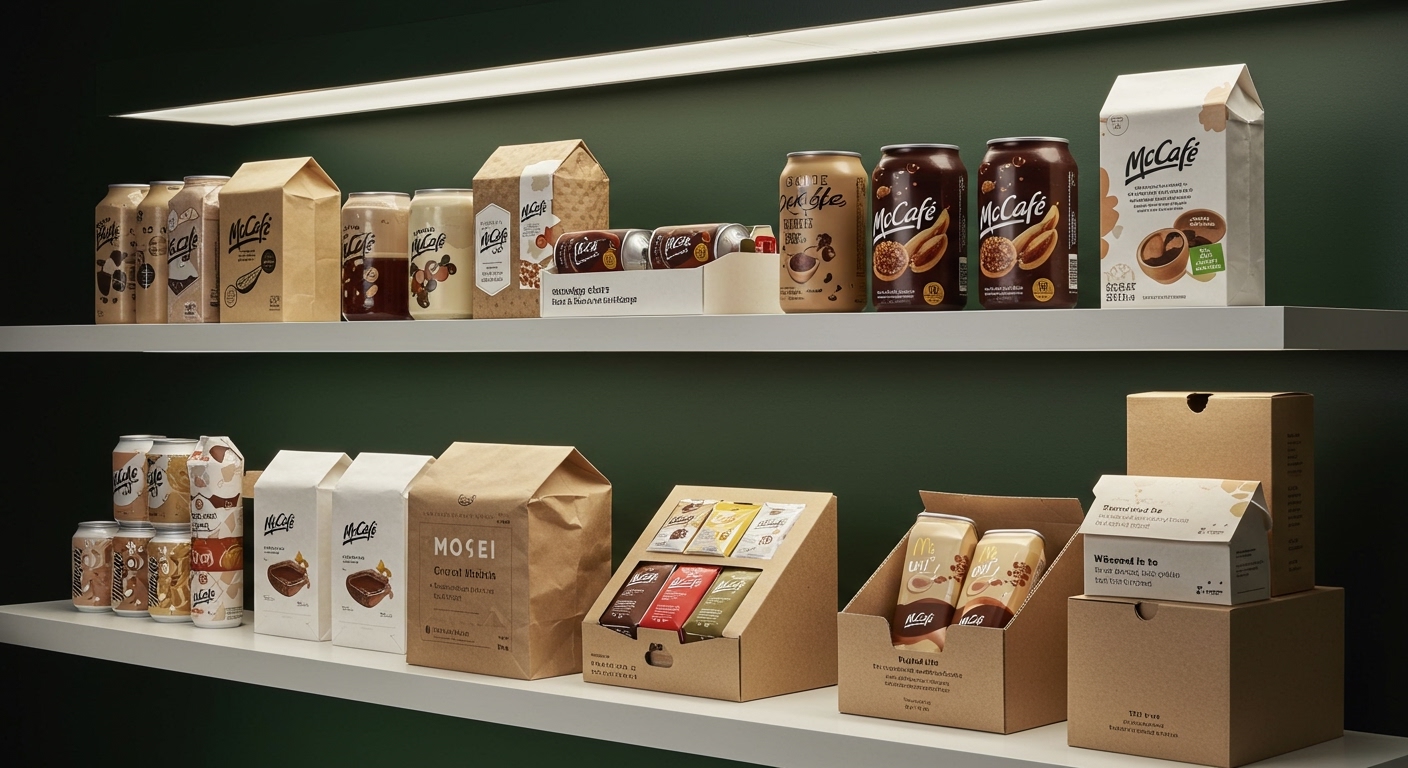
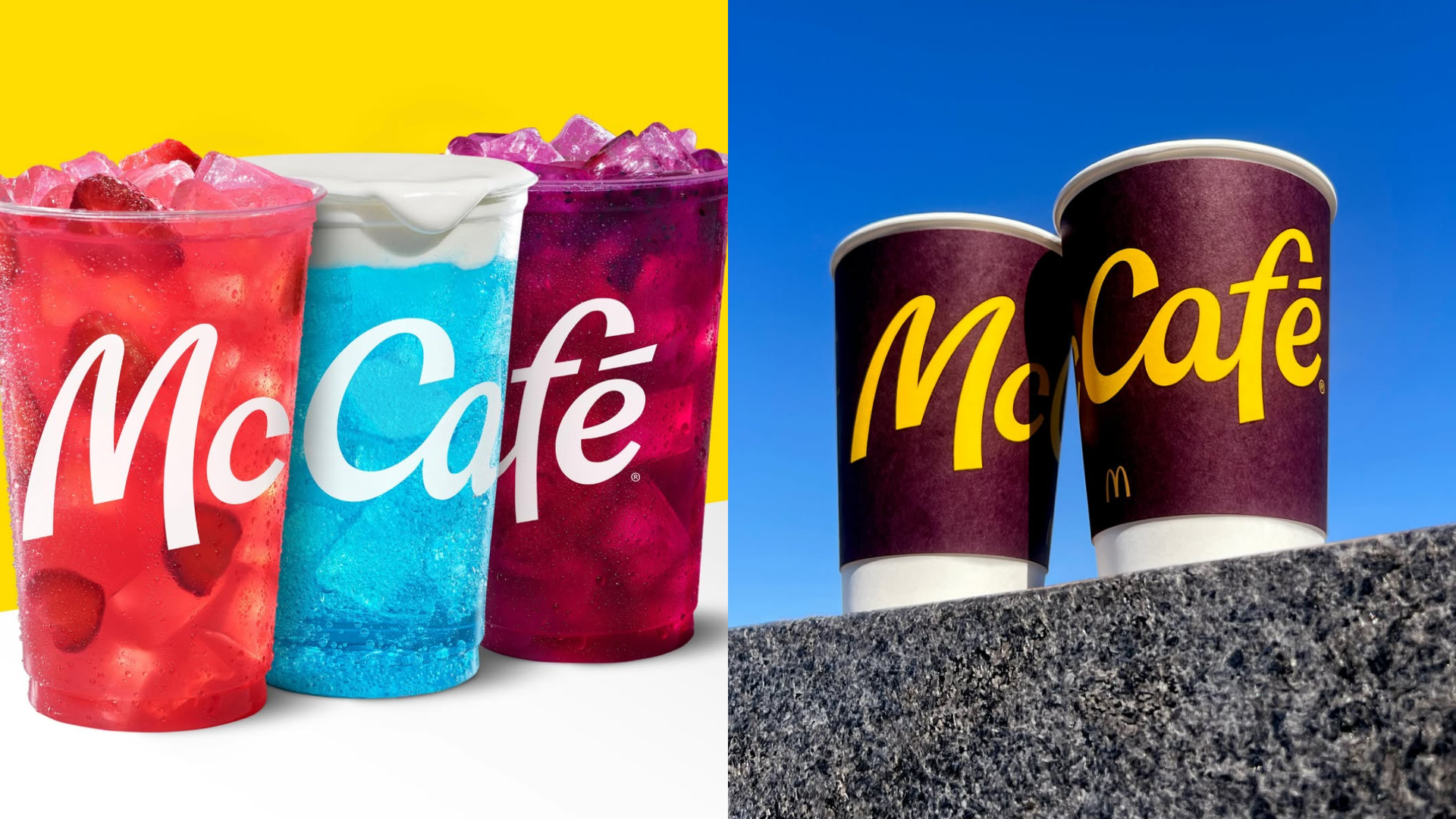
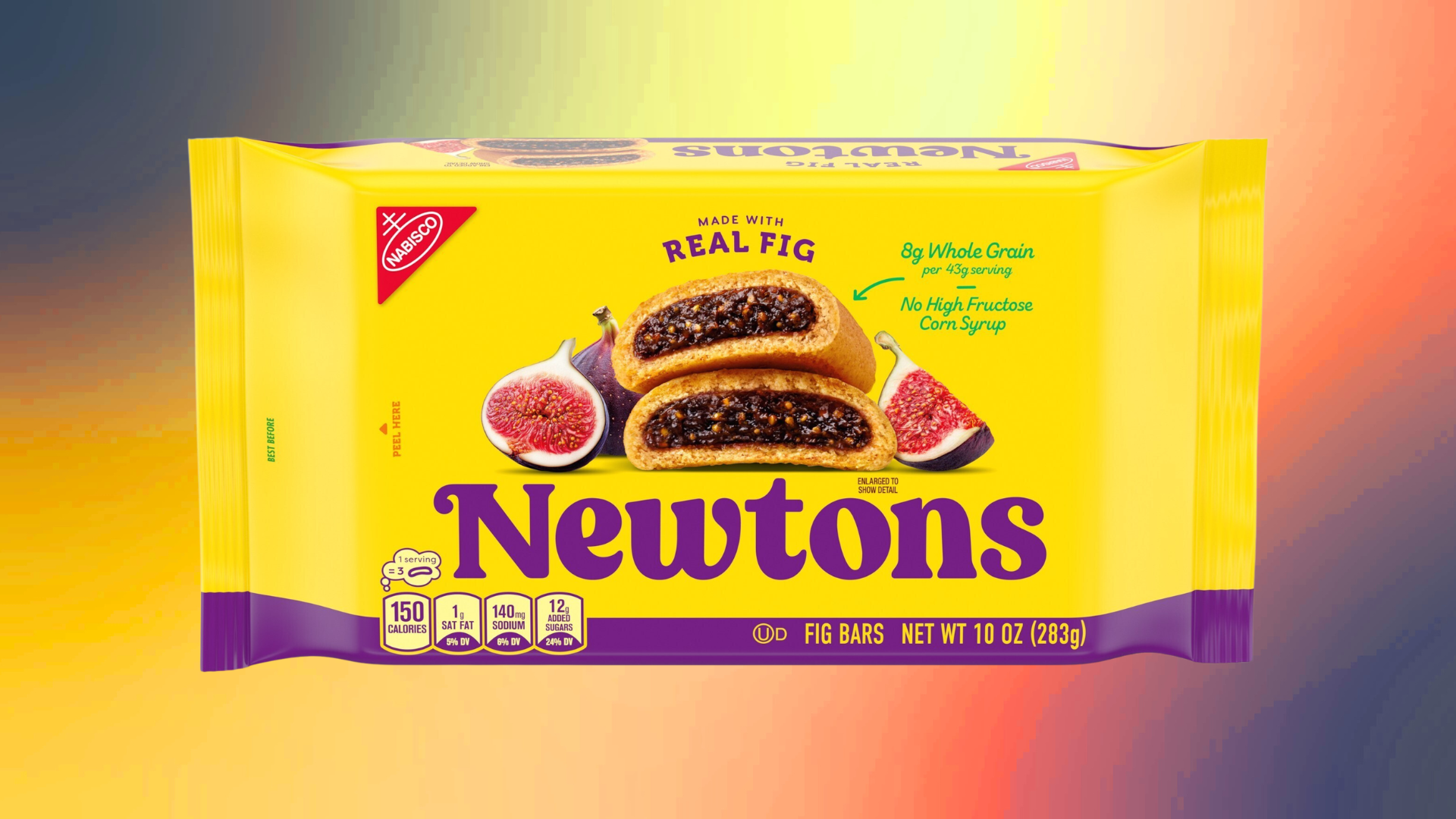
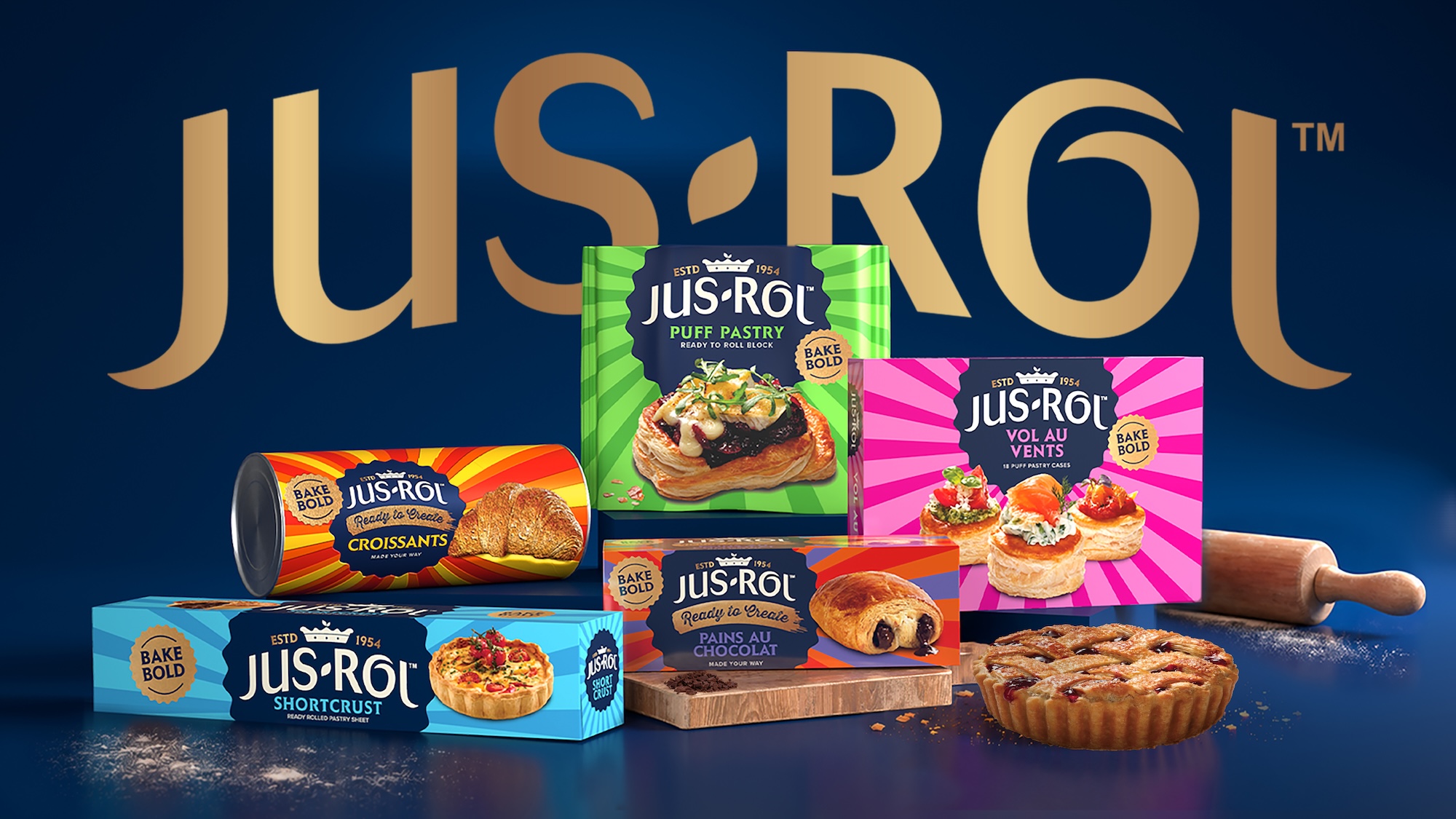
The recent flurry of packaging redesigns—from McCafe’s sophisticated refresh to the modernized heritage of Newtons and the vibrant uplift for Jus-Rol—all signal a profound shift. These aren’t superficial cosmetic changes; they are strategic interventions to reassert relevance and forge deeper connections. McCafe’s embrace of its iconic lineage, translated through refined typography and a considered palette, demonstrates a bid for premium association. Similarly, Newtons’ bold move towards a contemporary aesthetic and prominent food imagery speaks to an urgent need to capture younger demographics without alienating its established base. Jus-Rol’s vibrant redesign suggests a brand finally shedding its functional-only perception for one that celebrates the delight and ease of its product. These examples highlight a universal ambition: to imbue packaging with personality and purpose, moving beyond mere containment to become a potent brand ambassador.
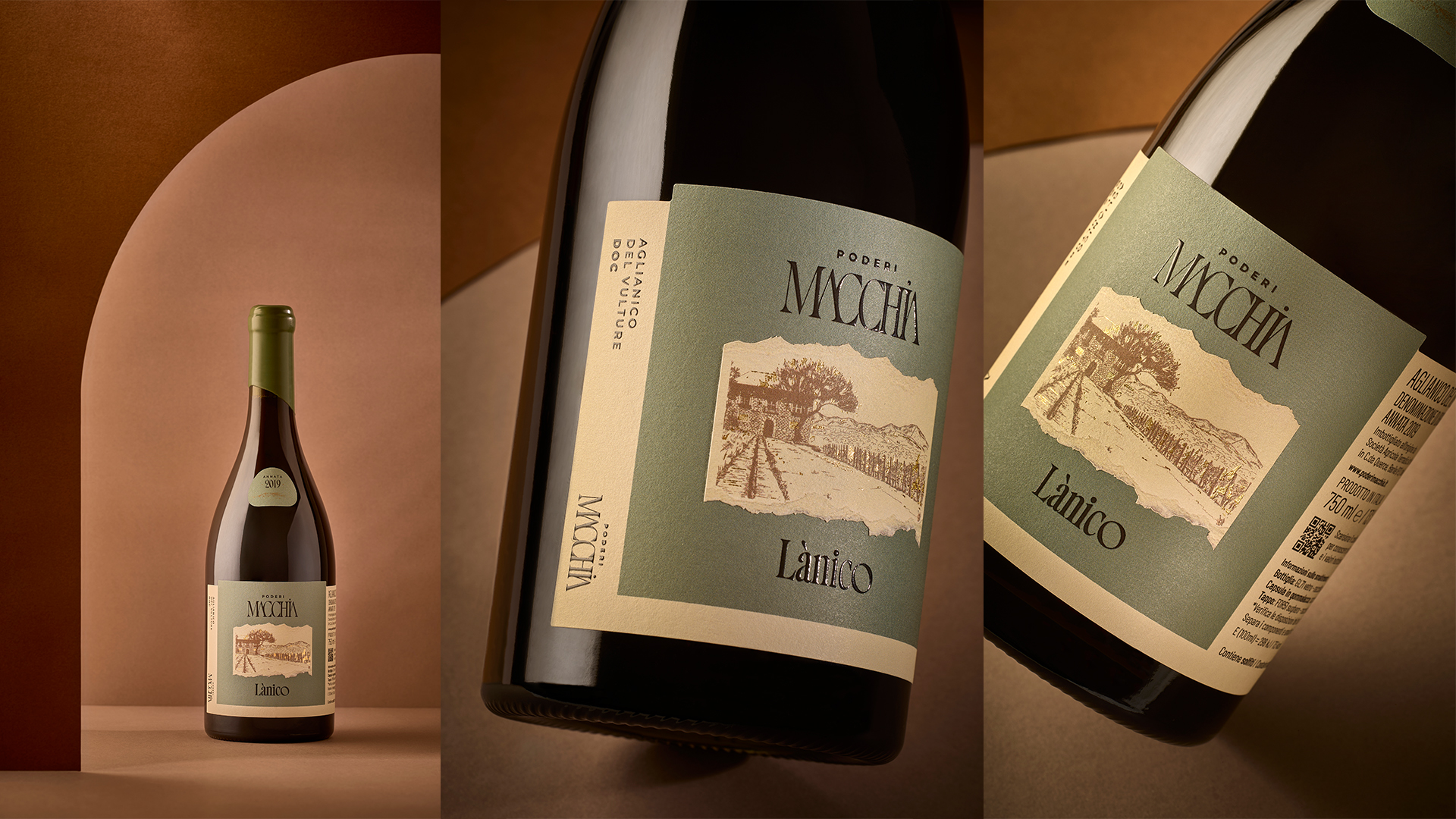
However, a fascinating tension is emerging between the drive for ubiquitous accessibility and the pursuit of exclusive, artisanal experiences. Coca-Cola’s global collectible can initiative, a masterclass in mass engagement leveraging the emotional resonance of soccer jerseys, exemplifies the former. It democratizes design, creating shared cultural moments across vast audiences. Conversely, Poderi Macchia’s wine label system, deeply rooted in its volcanic terroir and expressed through architectural motifs and tangible finishes, represents the latter. This wine’s packaging is an intimate conversation with the connoisseur, demanding close inspection and a sophisticated appreciation for detail. The paradox lies in brands simultaneously striving for broad appeal through shareable, digital-friendly design while also cultivating a discerning, sensory engagement for a more select audience, often through tactile and material innovation.
The future of packaging design will be defined by brands that can seamlessly integrate the ephemeral appeal of collectibility with the enduring resonance of touch. Expect to see mass-market products adopt sophisticated, multi-sensory finishes and modular design systems that encourage personalization and tactile interaction, effectively bringing the Poderi Macchia ethos to the masses, not through bespoke craftsmanship alone, but through intelligent material engineering and adaptable design frameworks.
TL;DR
Packaging’s physical presence is now paramount, bridging sustainability expectations with the power of tactile brand storytelling, creating a tension between mass appeal and artisanal experience that will shape future design.