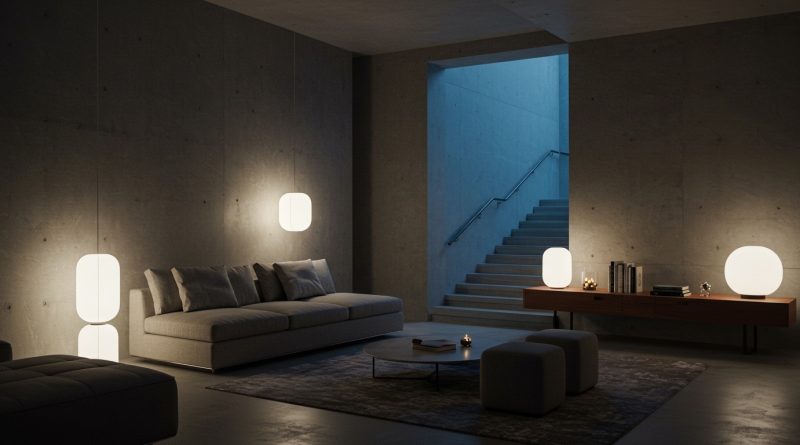
JHDD Interior Report — 2026.06.14
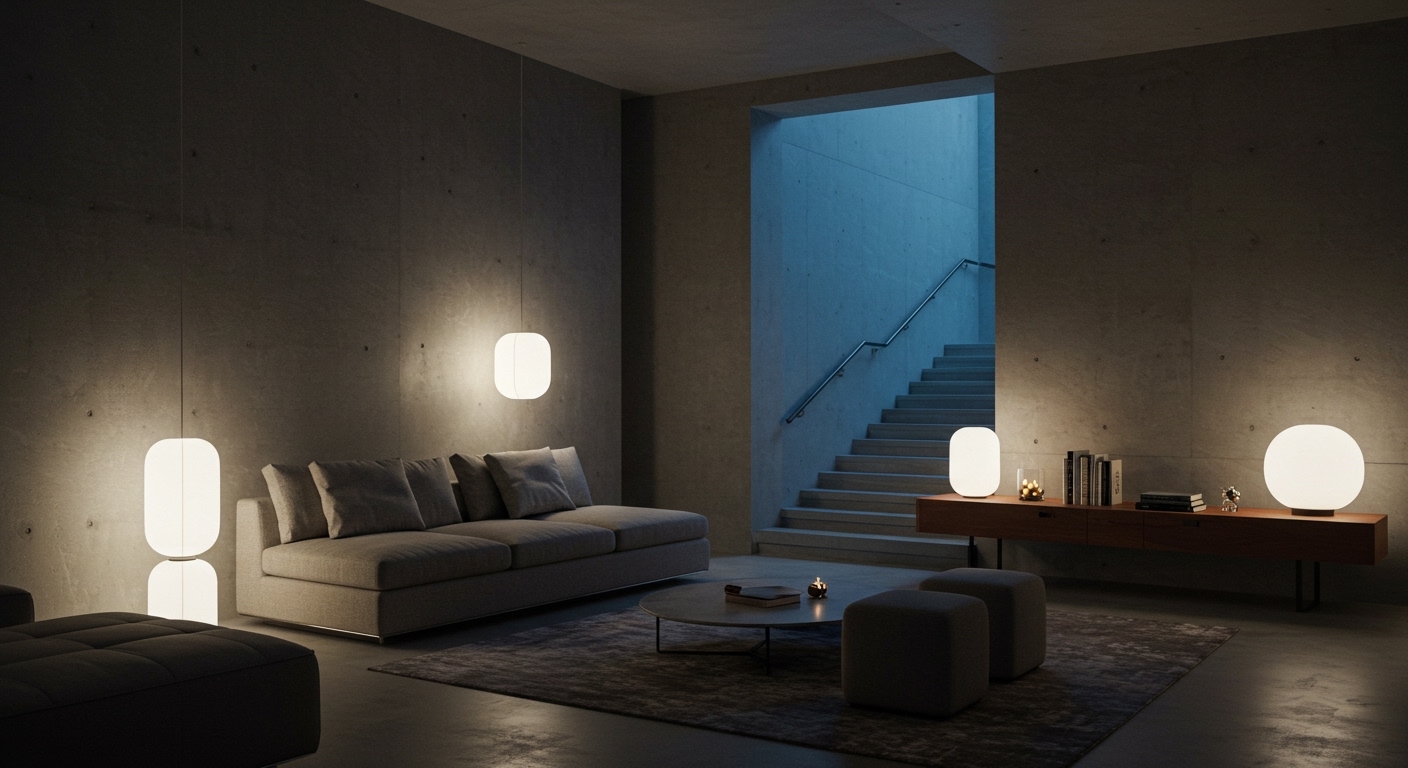
The gravitational pull in high-design interiors is no longer toward stark futurism but a curated, almost spectral echo of the past.
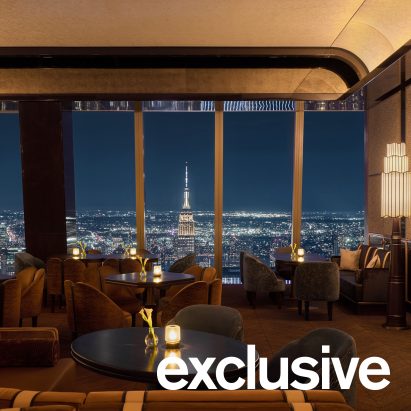
Across disparate project typologies – from elevated dining in Hudson Yards to intimate Amsterdam dwellings and utilitarian London eateries – a discernible pattern emerges: a deliberate, almost visceral engagement with materiality and spatial tension, moving beyond mere aesthetics to evoke deeply resonant human experiences. This isn’t simply nostalgia; it’s a sophisticated recalibration of how we inhabit space, a strategic deployment of texture and form to create an anchor in an increasingly ephemeral world. The underlying force is what might be termed “Anchored Futurism,” a design philosophy that acknowledges the relentless march of technology and societal change while grounding us through the tactile and the temporally resonant.
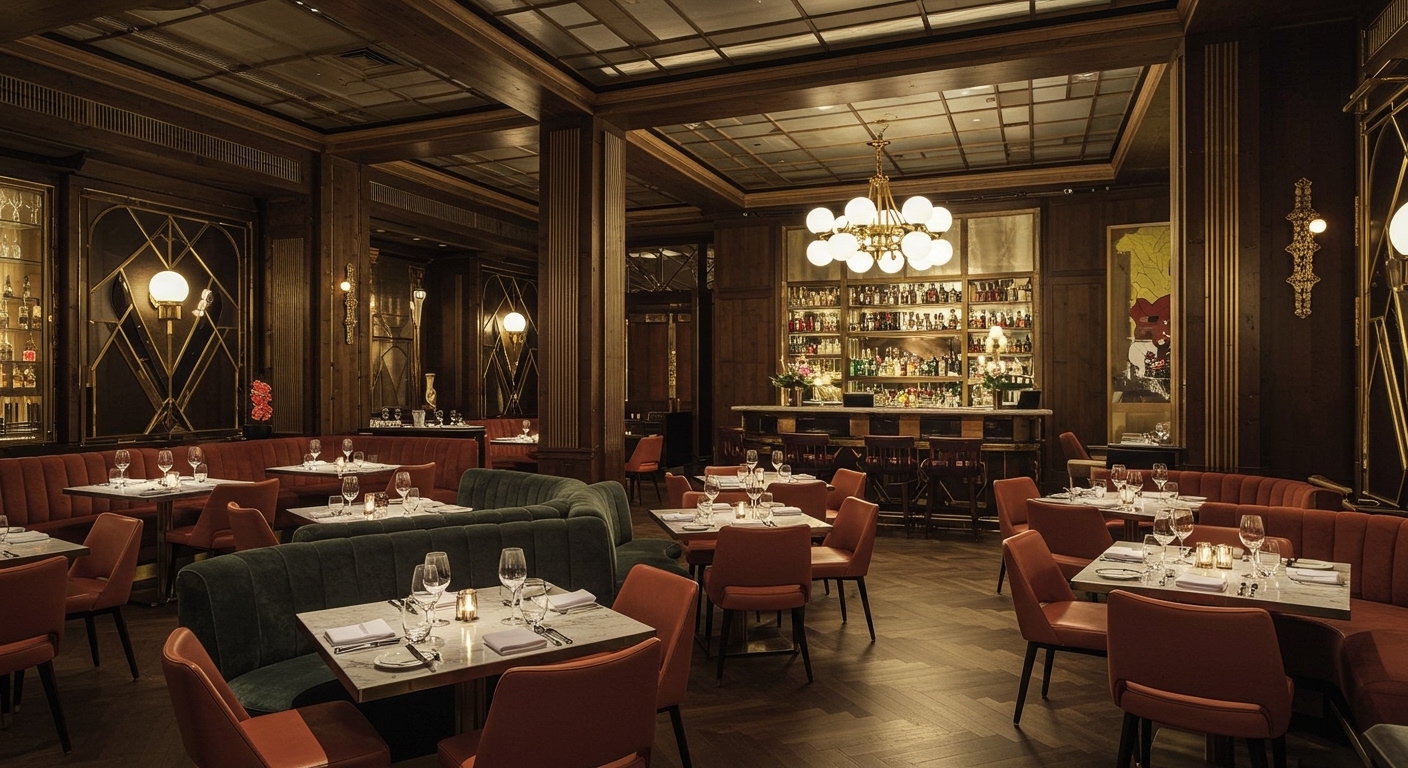
Beneath the surface of these seemingly varied projects lies a profound shift in how designers are approaching the psychology of space. Consider Islyn Studio’s work at Uchi DC. While on the surface it speaks to “neo-noir urbanism” and late-night Tokyo, the true innovation lies in its masterful manipulation of light and shadow, creating spatial tensions that actively guide human flow. The studio doesn’t just design a room; it choreographs an experience, using materiality – think brushed metals with a subtle patination and dark, richly veined woods – to create pockets of intimacy within a larger, more public venue. This approach stands in stark contrast to the prevailing industry trend towards hyper-minimalism, which, in its pursuit of perceived simplicity, often strips spaces of their inherent human warmth and narrative potential. The expectation for a “clean slate” aesthetic is being replaced by a demand for layered complexity, for spaces that feel lived-in, even when brand new. By late 2025, the dominance of sterile, white-box environments in hospitality and high-end residential will have demonstrably waned, replaced by interiors that embrace their own history, real or fabricated, through material resonance.
This embrace of temporal depth and tactile richness encounters resistance from a powerful, though perhaps diminishing, faction in the design world: the proponents of digital-first, frictionless environments. These are often brand-aligned initiatives or developers focused on maximizing perceived modernity through seamless surfaces and integrated technology, where any hint of age or artisanal imperfection is seen as a detractor. The friction arises from a fundamental disagreement about the definition of “luxury” and “progress.” For some, it remains purely about technological integration and an unfussy, hyper-modern aesthetic. For others, as evidenced by these projects, true luxury lies in the sensory experience, in the deliberate crafting of a tangible, evocative narrative through material and form, a narrative that transcends the purely digital.
What a working Interior professional can do differently this week is to actively interrogate their material palettes. Instead of defaulting to the latest polished chrome or lacquered surface, explore the potential of patinated brass, hand-finished plaster, or subtly textured natural stones that carry the ghost of their origin. Consider how these materials can be used not just for their visual appeal, but for their sonic absorption, their thermal properties, and their ability to age gracefully. This means a deeper dive into sourcing, building relationships with craftspeople, and understanding the lifecycle of materials. It’s about designing not just for the present moment, but for the story the space will tell over time.
The future of luxury interiors lies in tactility and temporal depth, not sterile, digitally-native surfaces.
Curated References


About this editorial — This piece was developed using AI-assisted research and curation across multiple industry sources. All analysis, opinions, and predictions represent the editorial perspective of JHDD. Sources are linked in the references section above.