JHDD Branding Report — 2026.06.14
The brief is the last thing keeping agencies alive.
Across the design intelligence landscape, a subtle but seismic shift is underway, characterized by a decisive move away from the ephemeral allure of novelty towards the enduring power of semantic resonance. This isn’t merely about aesthetics; it’s about brands leveraging visual identity systems to tap into deeply embedded cultural archetypes and narrative frameworks, creating a form of codified communication that bypasses conscious processing. The trend is not just for brands to look good, but for their visual languages to speak with an inherited wisdom, signaling established values and intentions before a single word is consumed.
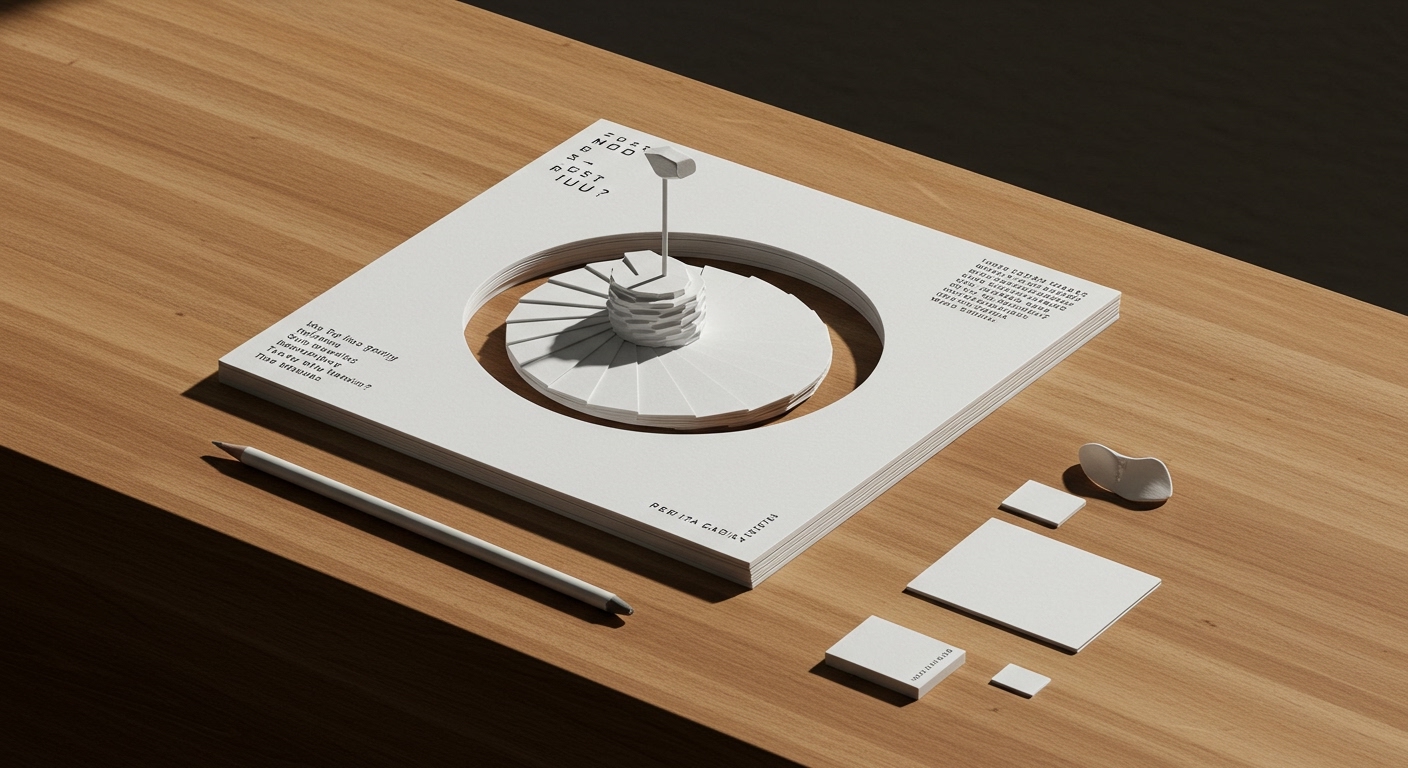
What is truly unfolding is a bifurcation in brand strategy, driven by the hyper-fragmentation of cultural attention. Brands that once relied on disruptive originality for market positioning are now finding themselves adrift in a sea of disposable content. Conversely, those that lean into established visual lexicons, artfully reinterpreting them for contemporary relevance, are forging deeper, more durable connections. Consider Pentagram’s work for the Museum of Narratives (MoN Takanawa). The spiral motif, far from being a mere decorative element, functions as a potent visual metaphor for storytelling, discovery, and the cyclical nature of knowledge. It doesn’t scream “new” but whispers “timeless,” aligning the brand with the inherent human fascination for continuity and understanding. This strategy, while appearing to eschew radical invention, builds immense brand equity by tapping into pre-existing cultural understanding. It’s a sophisticated form of brand storytelling where the visual identity system acts as a deeply embedded narrative trigger. Mainstream industry opinion often favors bold, novel visual departures as the primary driver of brand differentiation. However, a more potent and sustainable strategy lies in the intelligent excavation and contemporary reimagining of established visual grammar. This approach will lead to a pronounced resurgence in brands that feel both contemporary and ancestral, a fusion that will dominate market perception by late 2027.
The friction in this evolution is the persistent, often myopic, pursuit of “disruption” for its own sake, particularly within venture-backed startups and agency pitches focused on immediate impact. The pressure to stand out in a crowded digital space frequently incentivizes visual idioms that are loud, temporary, and ultimately, forgettable. This leads to a cycle of fleeting brand relevance, where aesthetic innovation quickly becomes obsolete, requiring constant, costly reinvention. Brands like Leo, the hair rejuvenation brand, exemplify this tension. While Creative Spark’s identity aims for boldness and a no-nonsense approach, the very category of hair loss is laden with deeply ingrained anxieties and aspirations. A purely disruptive visual approach risks alienating rather than reassuring. The struggle lies in balancing the need for distinctiveness with the imperative to connect with established emotional landscapes, a task made harder by a market that often rewards superficial novelty over profound resonance.
Branding professionals must actively cultivate a deeper fluency in cultural semiotics, moving beyond trend forecasting to understanding the persistent, archetypal visual languages that shape human perception. This week, instead of simply identifying emerging aesthetic trends, challenge yourself to deconstruct how a brand’s visual identity system is engaging with pre-existing cultural signals. Ask: Is it building on a recognized narrative, or is it trying to invent one from scratch? The actionable direction is to prioritize the strategic application of established visual lexicons, subtly recontextualizing them to imbue brands with immediate depth and resonance, thereby accelerating their path to perceived authority and trust.
The most effective brands will soon speak in visual dialects, not accents.
Curated References
About this editorial — This piece was developed using AI-assisted research and curation across multiple industry sources. All analysis, opinions, and predictions represent the editorial perspective of JHDD. Sources are linked in the references section above.