Julian’s Packaging Insight — 2026.06.13
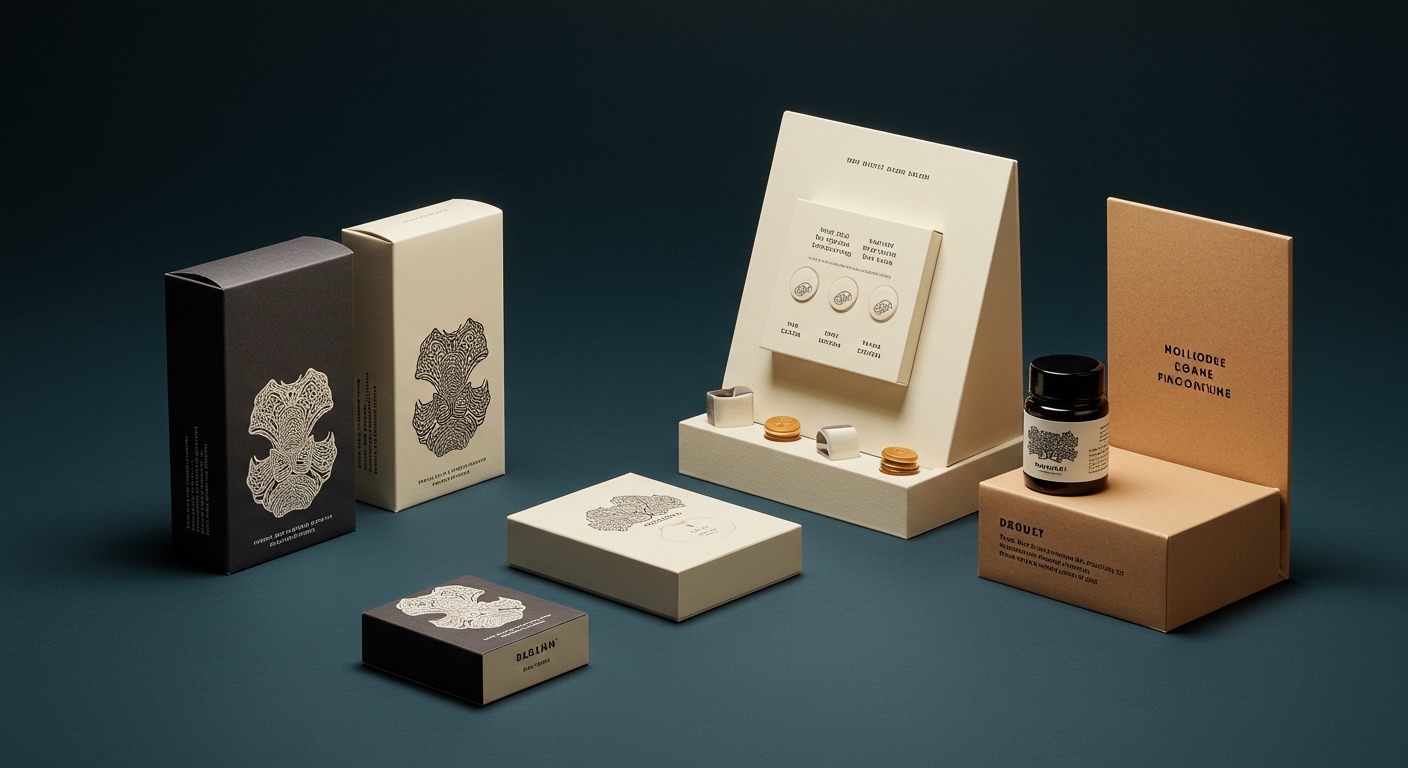
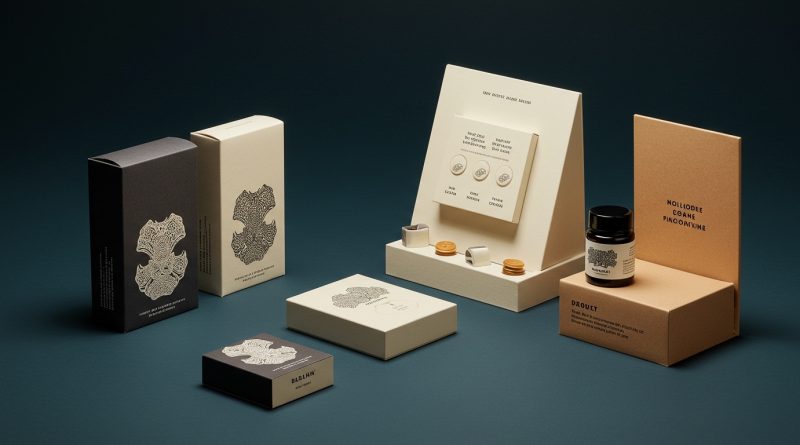
The most impactful packaging today is no longer just a vessel for product, but a whispered promise of experience.
In an era where the digital realm constantly bombards the senses, the physical encounter with a product has become a potent differentiator. Consumers now expect more than just a functional container; they demand an unboxing ritual that sparks joy, a tactile engagement that confirms quality, and a shelf presence that commands attention amidst a sea of sameness. This heightened expectation is amplified by a growing consumer consciousness around sustainability. Brands that embrace eco-friendly materials not only meet a moral imperative but also tap into a powerful narrative of responsibility, making the packaging itself a statement of values. Tactile branding, in particular, is emerging from the shadows, moving beyond mere aesthetics to create a memorable sensory imprint that fosters deeper brand loyalty and encourages repeat engagement, transforming the mundane into the memorable.
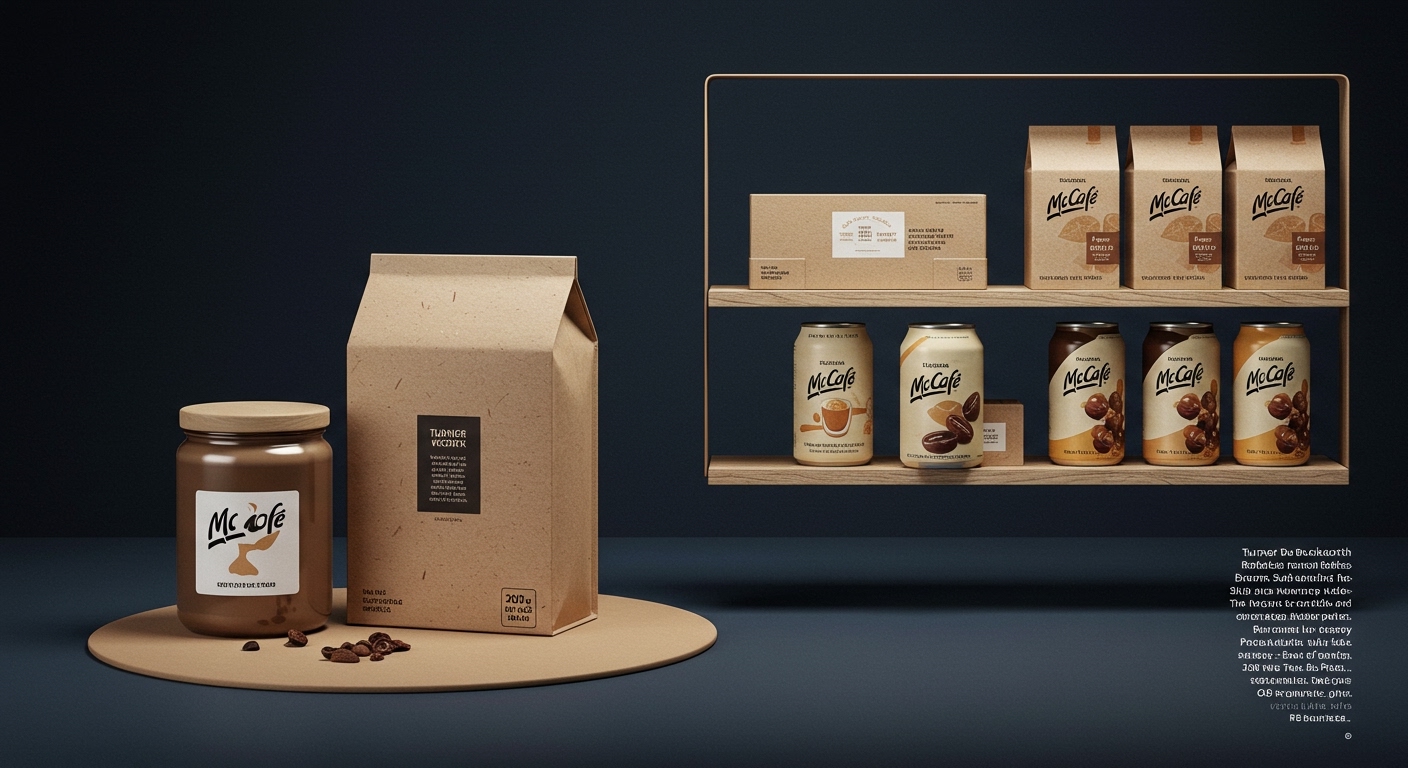
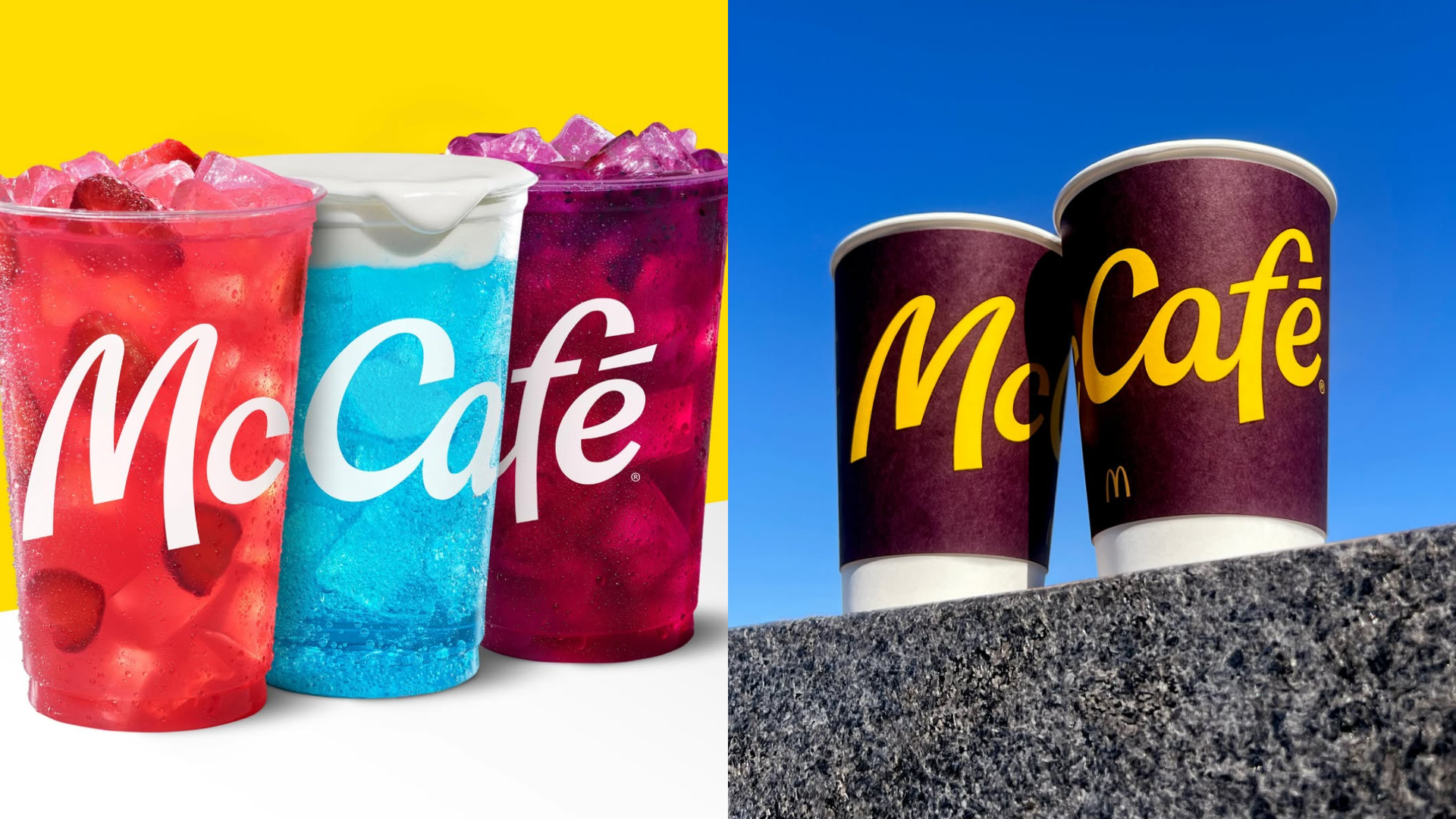
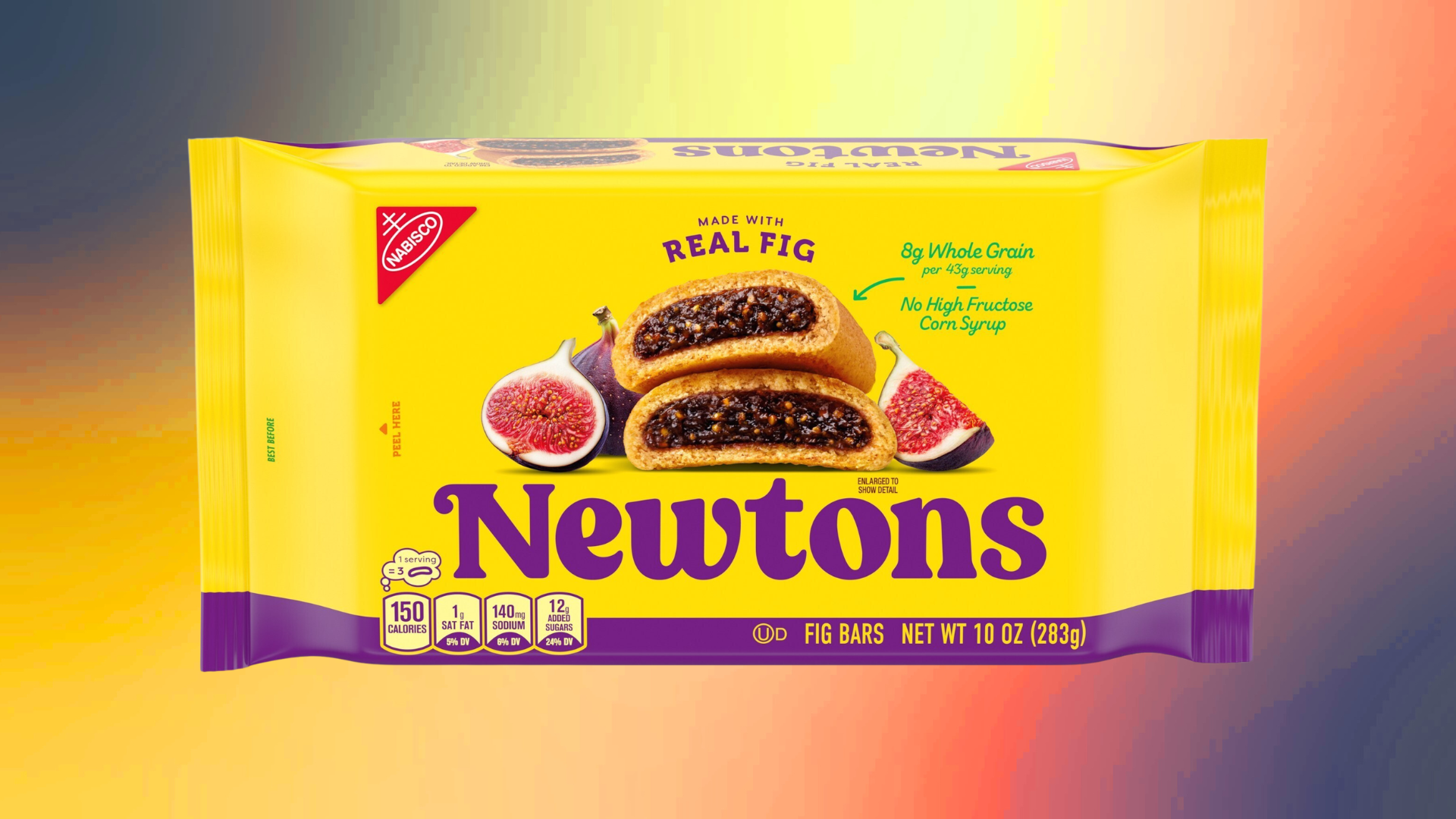
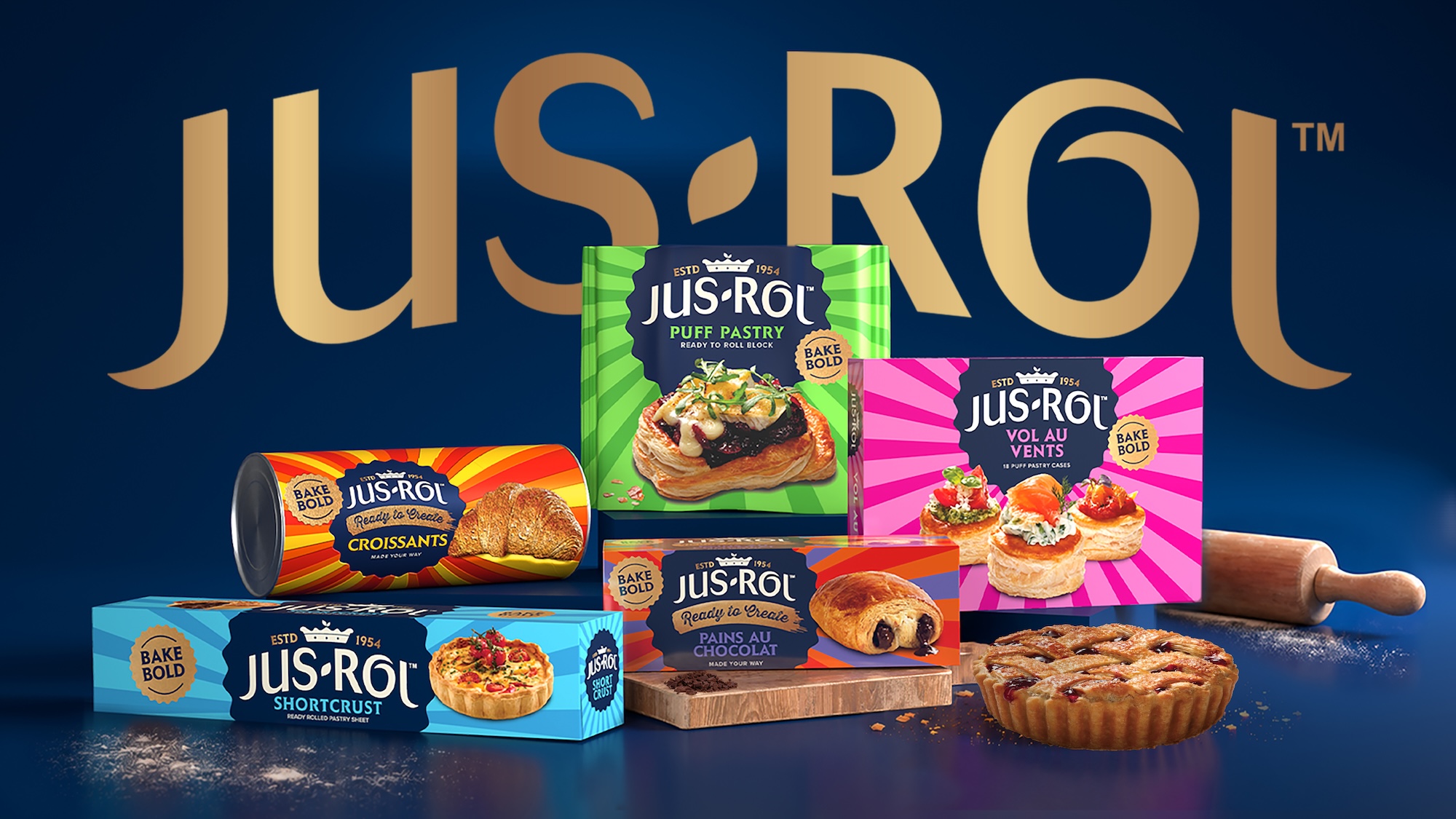
The recent flurry of packaging redesigns reveals a clear mandate: brands are fiercely battling for relevance in an increasingly saturated market. The refreshing of McCafe’s identity by Turner Duckworth, with its subtle nod to the iconic golden arches, demonstrates a strategic move to solidify its position within the competitive beverage landscape. Similarly, Mondelez’s revitalisation of the Newtons brand by infusing it with modern wordmarks and vibrant colour palettes signals a deliberate attempt to court younger demographics, proving that even heritage brands must constantly evolve to remain desirable. Jus-Rol’s Sunshine-infused rebrand by Brandon signifies a similar pursuit of modern relevance, aligning the packaging with the product’s perceived quality and the consumer’s aspirational lifestyle. These are not mere cosmetic tweaks; they are calculated efforts to enhance shelf impact through bolder visual cues and more engaging narratives.
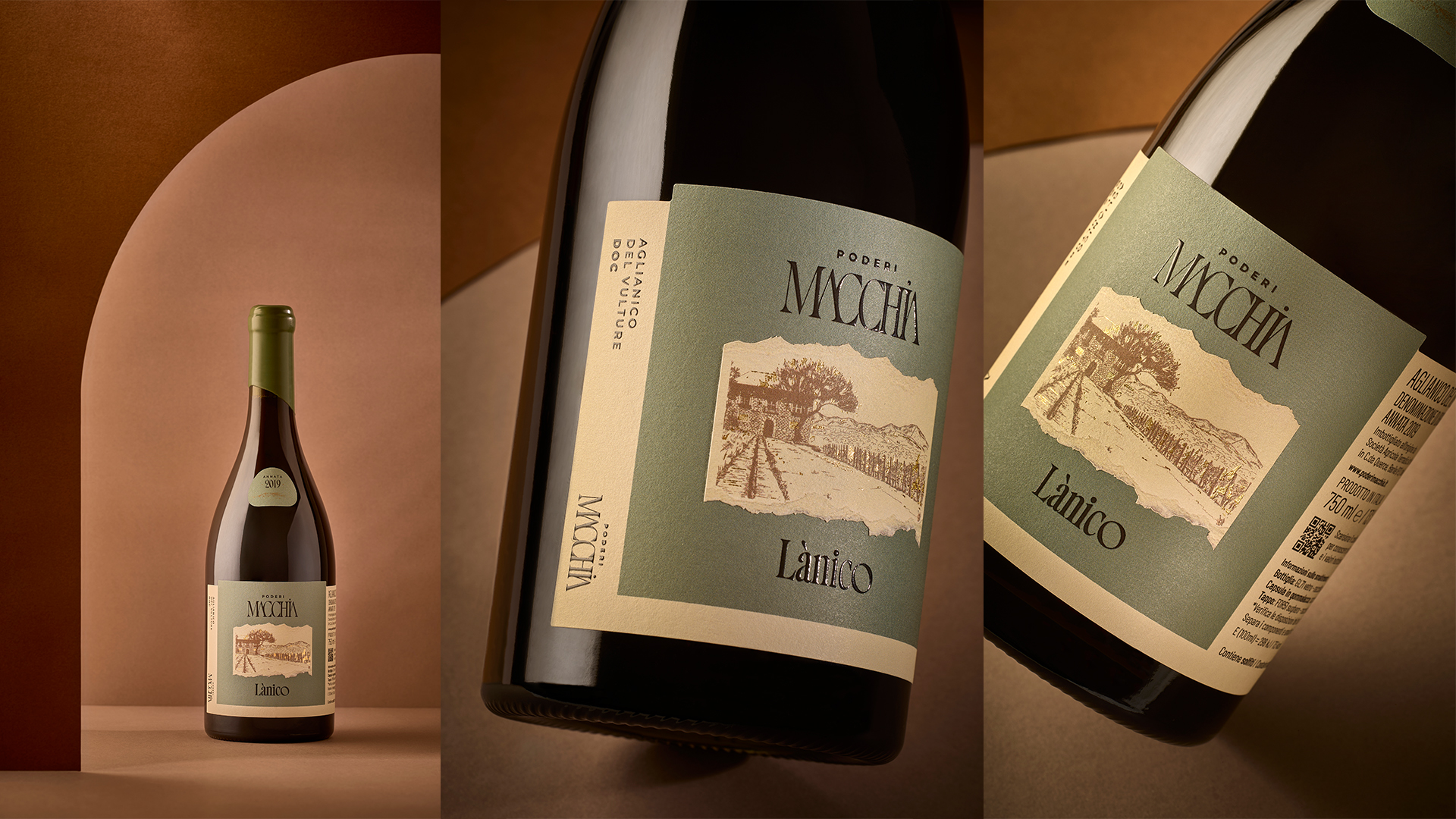
However, the pursuit of modernity and broad appeal can sometimes clash with the nuanced appreciation of provenance and artisanal craft. The Poderi Macchia wine labels, with their architectural motifs and sophisticated tactile finishes, offer a counterpoint, celebrating a deep connection to place and tradition. This design system, by Lillalab Creative, underscores the power of texture and form to convey authenticity and exclusivity, creating a deeply immersive brand experience. In stark contrast, Coca-Cola’s collectible FIFA World Cup cans, while brilliantly leveraging the universal appeal of football jerseys to foster a sense of global unity and individual collectibility, prioritizes mass appeal and momentary excitement over enduring material substance.
The inherent tension lies between the homogenizing force of mass-market refresh campaigns, which aim for broad recognition and immediate impact, and the increasingly sophisticated consumer desire for unique, sensory-rich experiences that communicate authenticity and provenance. While the former seeks to update and broaden appeal through familiar visual languages, the latter delves into the intrinsic qualities of materials and form to forge a more profound, lasting connection. This creates a paradox: in striving for universal accessibility, brands risk diluting the very unique sensorial qualities that can foster deep, personal brand affinity. The challenge is to balance the imperative of widespread recognition with the growing demand for bespoke, tactile narratives that resonate on a more intimate level.
Looking ahead, expect packaging to become a dynamic, interactive canvas that seamlessly blends digital and physical realities, moving beyond static aesthetics.
TL;DR
Packaging is morphing from inert container to active brand ambassador, demanding a sophisticated interplay of sustainable materials, tactile engagement, and resonant storytelling to capture attention and foster loyalty.