JHDD Interior Report — 2026.06.13
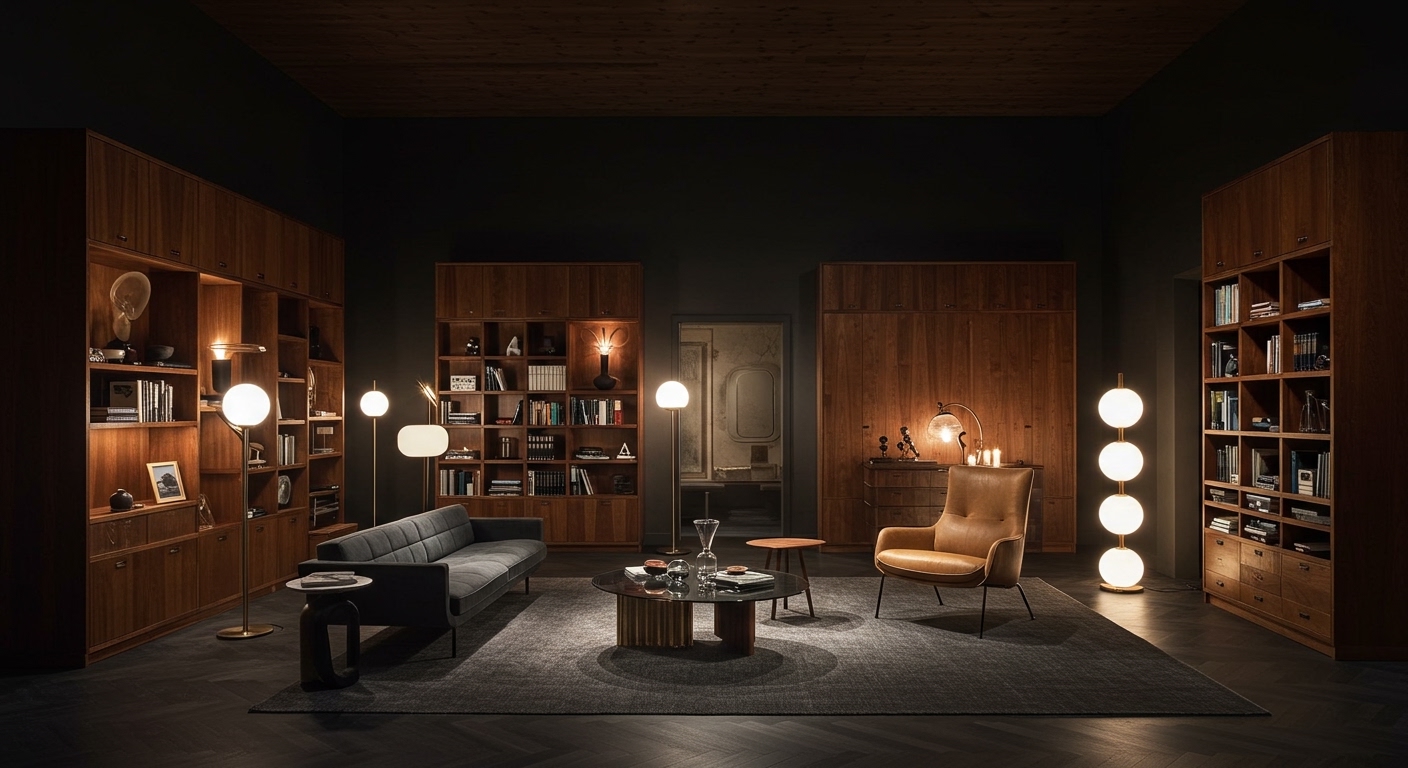
The prevailing nostalgia in design is not a gentle echo, but a calculated reassembly of tangible histories.
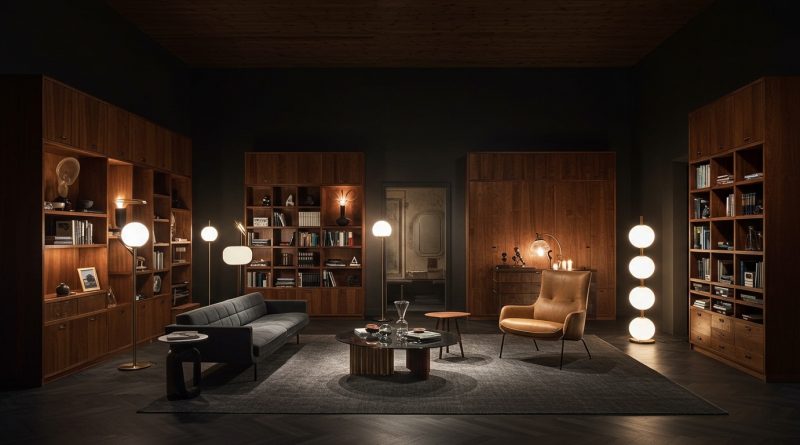
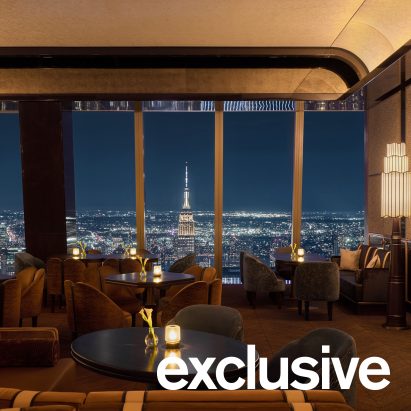
The convergence of these disparate projects – from New York’s Art Deco revival at The Edge to Amsterdam’s Golden Age inspired apartment and London’s industrial-chic Kebab shop – signals a profound market reorientation. This isn’t merely a resurgence of historical aesthetics; it’s a deliberate pursuit of “tactile gravity.” In an era saturated with ephemeral digital experiences, clients are actively seeking environments that ground them in physical permanence, demanding spaces that engage the senses beyond mere visual appeal. The undercurrent is a powerful pendulum swing away from minimalist sterility towards an embrace of material depth and a more nuanced human flow, acknowledging that spaces must now actively perform a role in our emotional and psychological well-being.
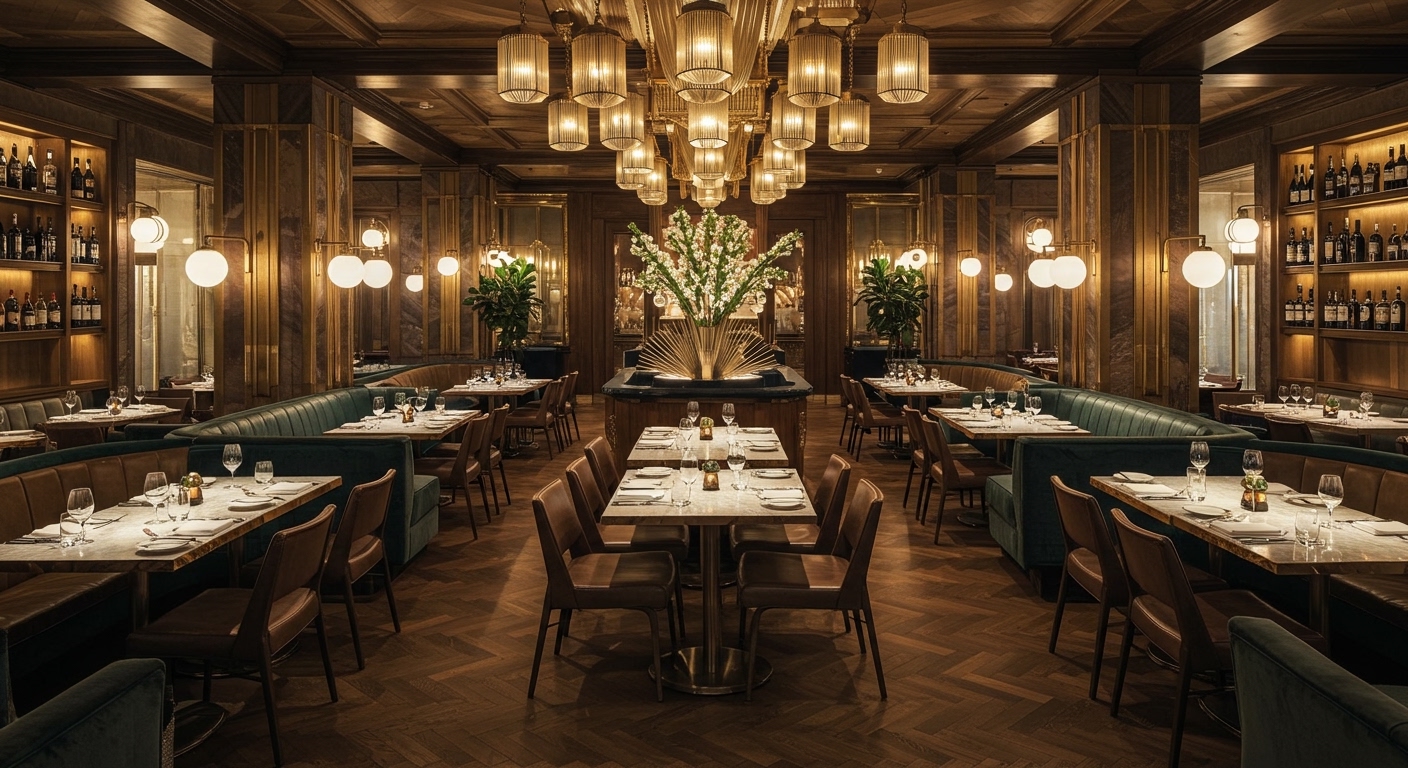
Beneath this surface of curated historical references lies a sophisticated understanding of materiality as a primary driver of emotional resonance. Take, for instance, the work of Studio Elèn Letort, which masterfully employs richly toned materials and vintage furniture to evoke a sense of lived history and comforting familiarity in their Amsterdam project. This approach stands in stark contrast to the prevailing industry narrative that often prioritizes sleek, unadorned surfaces for a sense of modern luxury. The critical difference is the intentional integration of patina and texture, not as afterthoughts, but as foundational elements. This deliberate layering of tactile experiences creates a spatial tension, a friction between the expected and the discovered, that deeply engages the inhabitant. By late 2026, expect to see a significant shift in luxury residential and hospitality design, with a pronounced emphasis on bespoke, hand-finished materials and artisanal craftsmanship taking precedence over mass-produced, high-gloss finishes, even in otherwise contemporary settings.
This demand for tangible history is actively resisted by a segment of the market still firmly entrenched in the slick, predictable language of digital-first, aspirational marketing. These are the brands and developers who equate luxury with a certain sterile perfection, a flawless, unblemished facade that offers little in the way of sensory engagement. Their focus remains on broad appeal and easily digestible aesthetics, often at the expense of deeper material exploration or nuanced spatial narratives. This friction reveals a generational divide in how luxury is perceived and experienced; one side is actively seeking authenticity and depth, while the other clings to a more superficial, trend-driven interpretation. The tension highlights the evolving definition of desirability, moving from the easily replicable to the intrinsically unique.
For a working interior professional, the actionable shift is to actively interrogate the provenance and sensory qualities of every material specified. Beyond looking at a sample’s color and finish, one must consider its history, its texture, its subtle imperfections, and how these qualities will contribute to the overall narrative and tactile experience of the space. This means engaging directly with artisans and fabricators, seeking out materials with inherent stories, and prioritizing depth over superficial gloss.
The tactile renaissance is actively re-centring spaces around physical presence and lived experience.
Curated References


About this editorial — This piece was developed using AI-assisted research and curation across multiple industry sources. All analysis, opinions, and predictions represent the editorial perspective of JHDD. Sources are linked in the references section above.