JHDD Branding Report — 2026.06.13
The commoditization of pure aesthetics is accelerating the creative industry’s terminal velocity.
The recent flurry of visual identities across diverse sectors—from a Tokyo museum exploring cross-disciplinary themes, to a direct-to-consumer hair rejuvenation brand, and a smash burger joint—reveals a seismic shift away from purely aesthetic differentiation towards a more strategic deployment of visual systems as proxies for deep cultural understanding. What connects these disparate examples is not the inherent beauty of a spiral, the perceived boldness of typography, or the reinvention of retro tropes, but the emergence of a sophisticated, almost anthropological approach to brand building. Designers are no longer merely crafting logos; they are architecting immersive worlds, leveraging visual language as a primary tool to decode and encode complex cultural narratives, ultimately aiming to imbue brands with a tangible sense of belonging and purpose in an increasingly fragmented consumer landscape. This is not about what a brand looks like, but what it signifies, and how that signification seamlessly integrates with the lived experiences and evolving values of its target audience.
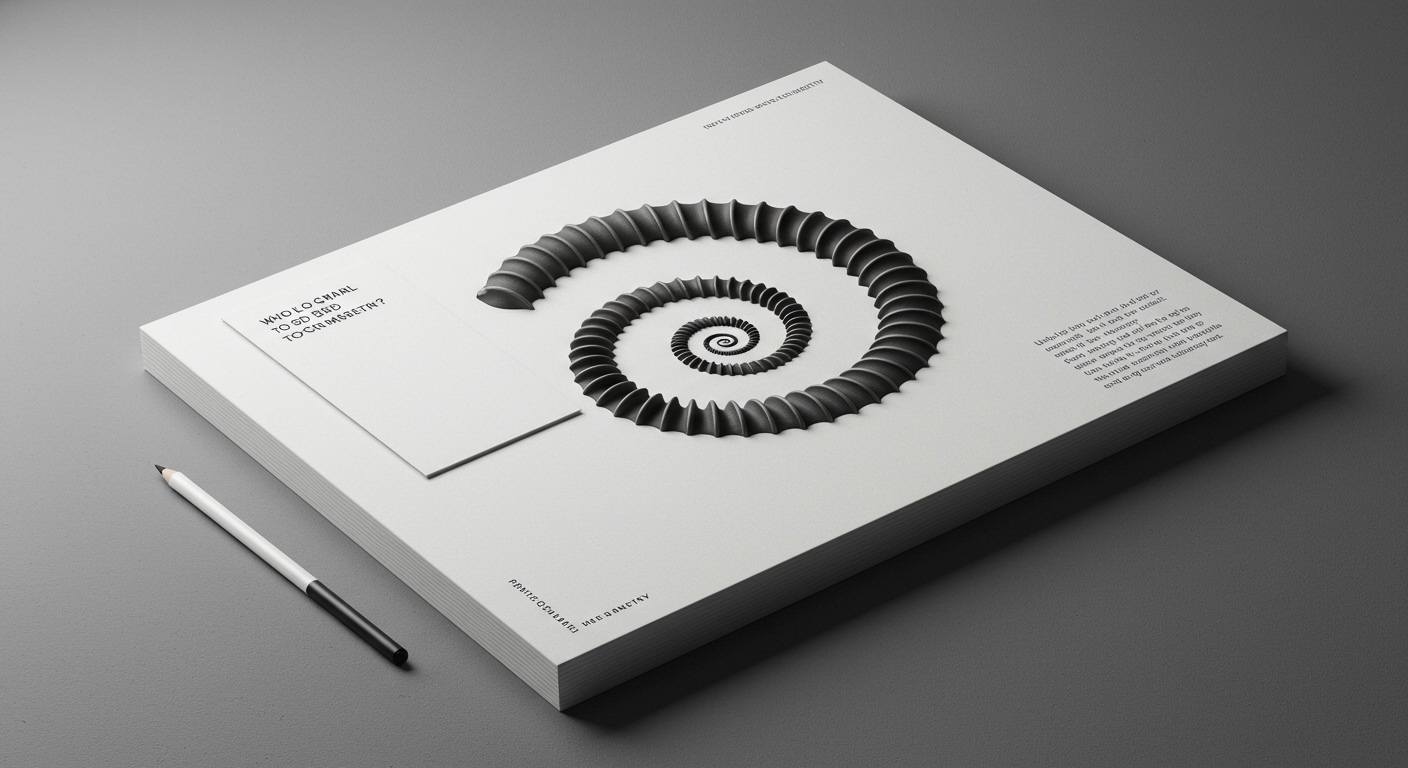
Beneath the surface of these seemingly disparate projects lies a deliberate strategy to anchor brands in specific cultural moments, transforming visual identity from a mere decorative element into a potent engine of brand equity. Consider the Museum of Narratives in Tokyo, where Pentagram’s spiral identity is not simply a clever mark, but a visual metaphor for the museum’s experimental, cross-disciplinary programming, a direct translation of its conceptual core into an accessible, yet sophisticated visual language. Similarly, Leo, the hair loss brand, eschews generic wellness aesthetics for a “bold, no-nonsense” identity that confronts a sensitive topic with directness, positioning itself not just as a product provider, but as a confident ally in a space often laden with shame and complexity. This strategic deployment of visual identity signals a departure from the vanity of unique aesthetic signatures towards a more utilitarian, yet profound, purpose: to forge deeper connections by speaking the unspoken language of culture. The prevailing industry narrative often fixates on the “next big visual trend.” This perspective, however, is fundamentally flawed. By late 2026, the most successful brands will not be those with the most novel visual aesthetics, but those whose visual identities are demonstrably most fluent in the prevailing cultural dialogue, acting as unambiguous markers of authenticity and cultural relevance.
This nuanced approach contradicts the persistent industry obsession with trend-chasing and the pursuit of fleeting visual novelty. While many agencies and brands remain caught in a cycle of superficial aesthetic reinvention, mistaking visual flair for strategic depth, the true differentiator lies in the ability to translate complex cultural signals into enduring visual systems. The conventional wisdom suggests that innovative design is inherently about pushing aesthetic boundaries. However, the most impactful branding today is less about radical visual departure and more about radical clarity of cultural expression. The example of Brusco, the smash burger brand, is illustrative: its success lies not in inventing a new burger visual language, but in its masterful reinvention of existing tropes to resonate with a specific, contemporary cultural appetite, signaling authenticity and familiarity within a curated experience. This is a form of cultural intelligence made manifest.
The friction in this evolution arises from the inherent inertia of established marketing paradigms and the deeply ingrained human tendency towards seeking immediate, easily digestible aesthetic validation. Many legacy brands, tethered to decades of visual equity built on more traditional communication methods, are understandably hesitant to embrace identities that prioritize cultural resonance over overt product demonstration or easily recognizable visual cues. Furthermore, a significant segment of the industry remains wedded to a transactional view of design, where the primary objective is to look “good” or “different” in a visually crowded marketplace, rather than to function as a sophisticated mechanism for cultural alignment and brand meaning. This tension between the imperative for deep cultural fluency and the comfort of familiar aesthetic archetypes creates a significant R&D challenge for both agencies and clients.
Working Branding professionals should move beyond crafting visually striking but contextually shallow identities. This week, instead of defaulting to a mood board of current aesthetic trends for a new client, prioritize ethnographic research and cultural semiotics to understand the unspoken values and emergent narratives of the target audience. The goal is not to mirror culture, but to interpret and amplify its most resonant frequencies through a meticulously constructed visual system. This means interrogating the underlying cultural context before a single pixel is placed, ensuring that the visual identity serves as a robust anchor of brand meaning, not merely a fleeting aesthetic statement.
TL;DR
Brand equity by late 2026 will be determined by a visual identity’s fluency in cultural signaling, not its aesthetic novelty.
Curated References
About this editorial — This piece was developed using AI-assisted research and curation across multiple industry sources. All analysis, opinions, and predictions represent the editorial perspective of JHDD. Sources are linked in the references section above.