JHDD Packaging Report — 2026.06.12
The brief is the last thing keeping agencies alive.
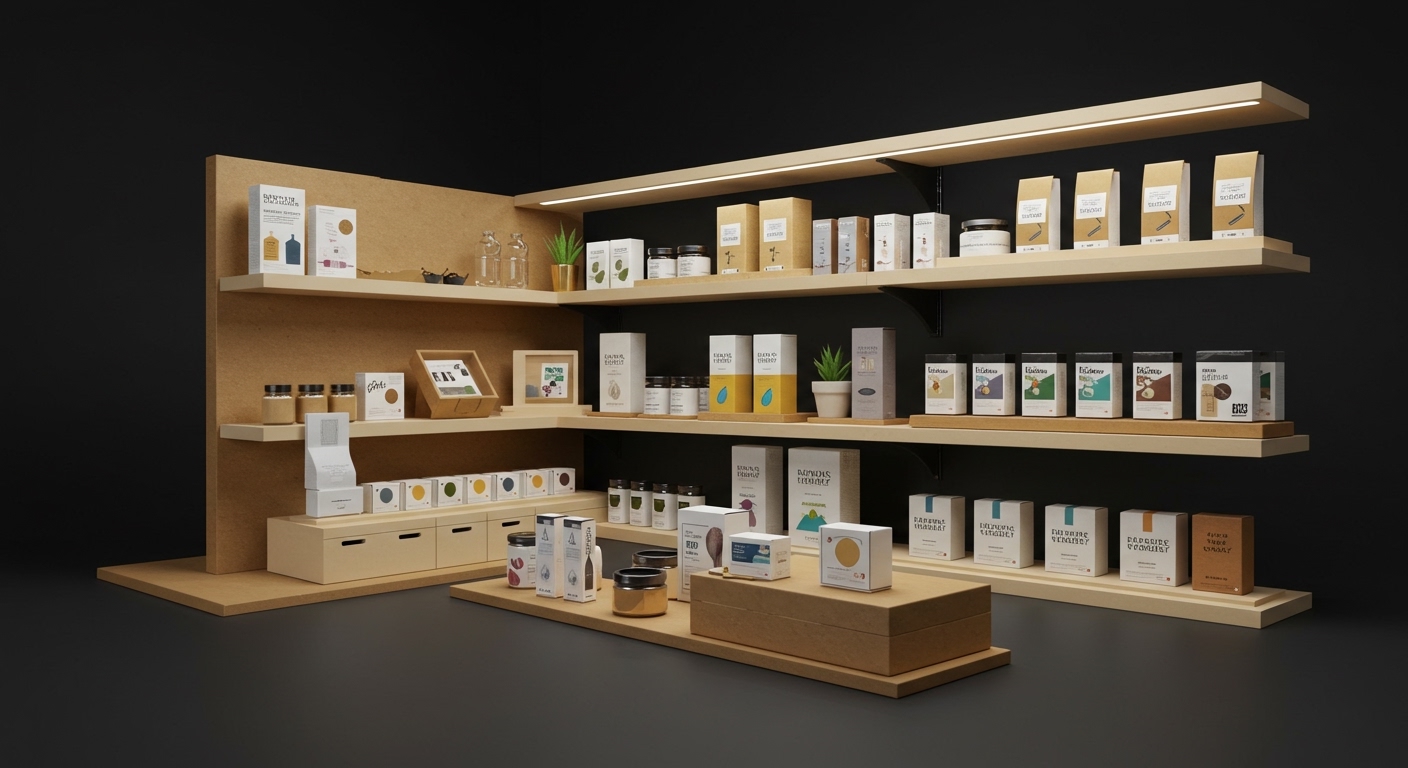
The emerging pattern across these disparate packaging narratives is the ascendance of “Resonant Identity Systems,” a strategic approach that leverages design to build deep, emotional connections beyond immediate product function. This isn’t about a single outstanding graphic; it’s about a cohesive, adaptable framework that anticipates and responds to evolving consumer desires for authenticity, collectibility, and mindful consumption. These systems understand that packaging is no longer just a vessel, but a dynamic ambassador for a brand’s ethos, capable of generating ongoing engagement.
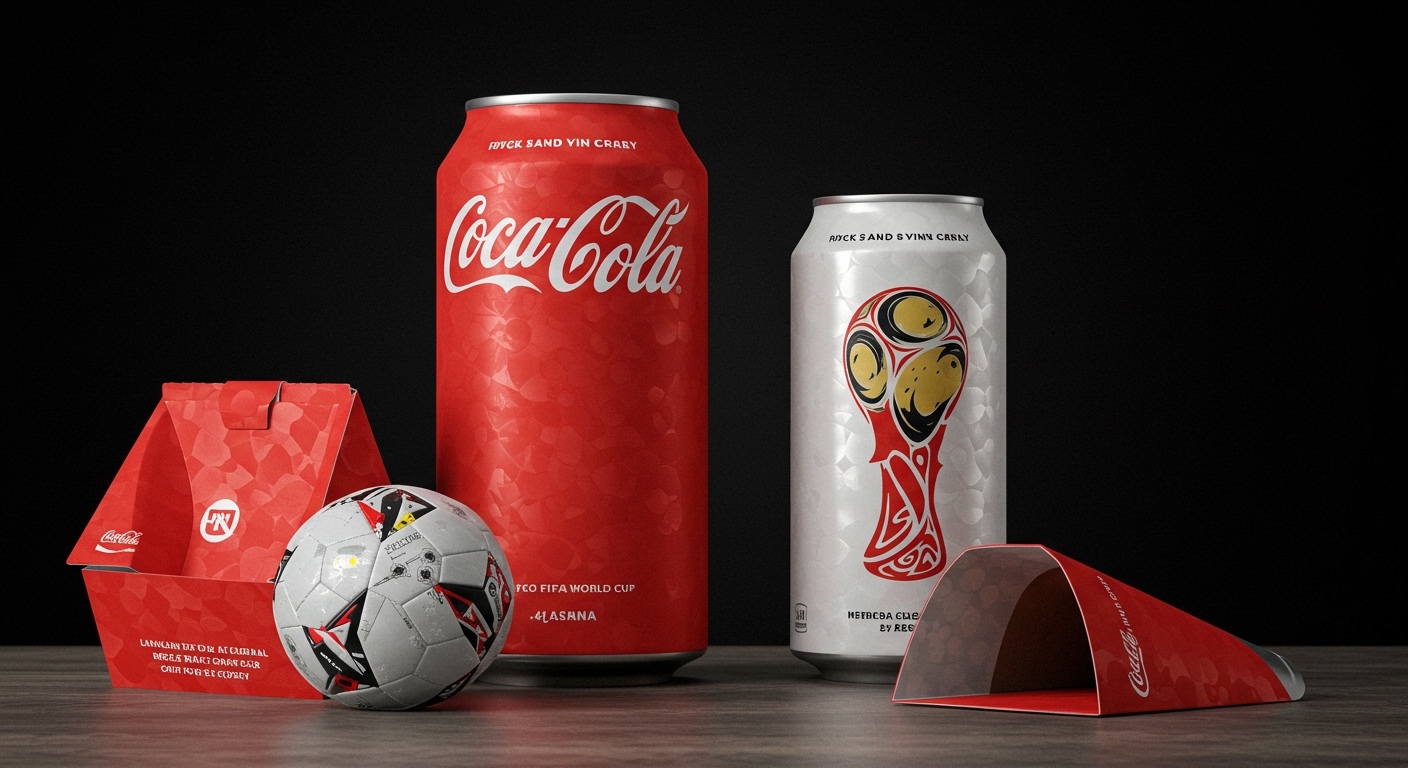
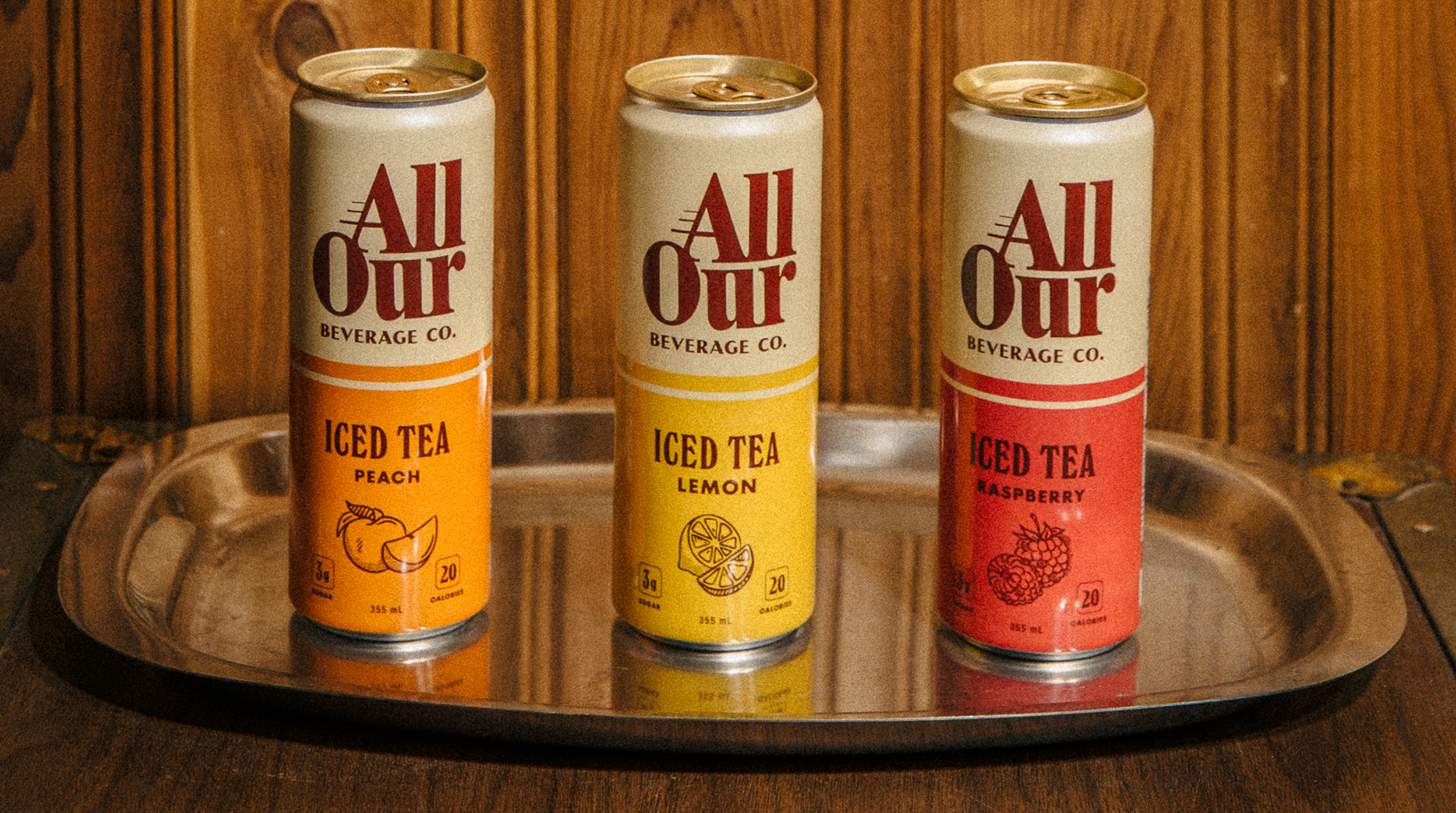
Beneath the surface of these campaigns lies a profound shift from transactional packaging to relational packaging. Traditional shelf impact, often achieved through loud, attention-grabbing graphics, is being superseded by a more nuanced strategy focused on creating enduring brand affinity. Brands are moving beyond the ephemeral chase for immediate visibility to cultivate a deeper, almost psychological engagement. Consider the “All Our Tea” campaign by Public House Studio. While its aesthetic evokes nostalgia, its true power lies in the entire system: the understated matte finishes, the tactile quality of the paper stock, the gentle embossing of the logo. These elements combine to create a sensorial experience that whispers rather than shouts, fostering a sense of trust and personal connection that can withstand the noise of the marketplace. This approach directly contradicts the industry’s persistent obsession with overt “hero” graphics and aggressive visual hierarchies. The true disruption lies not in being the loudest, but in being the most memorable through considered sensory depth. By late 2025, brands that fail to integrate sophisticated tactile strategies into their core identity systems will see their perceived value erode significantly, even if their visual aesthetics remain superficially appealing.
The friction against this shift is primarily driven by inertia within established marketing structures and a lingering fixation on traditional performance metrics. Many large corporations remain bound by quarterly sales targets and a ROI-driven mindset that struggles to quantify the long-term benefits of deep emotional branding and tactile engagement. There’s a fear of relinquishing control to a more iterative, less predictable design process, and a reliance on past successes with formulaic, visually loud packaging. This resistance manifests as pressure to adhere to pre-existing brand guidelines that may not accommodate the nuanced, sensory-driven design required for resonant identity systems, or a preference for rapid, low-cost design iterations that bypass the thoughtful material selection and finishing processes necessary for true tactile impact. The tension reveals a chasm between short-term commercial imperatives and the sustainable, relationship-building future of brand packaging.
A working Packaging professional should dedicate at least one hour this week to auditing their current projects through a “tactile lens.” This involves critically examining the chosen substrates, finishes, and structural elements not just for their cost and visual appeal, but for the story they tell through touch. Ask: does the texture of this paper evoke the desired brand emotion? Does the closure mechanism offer a satisfying, memorable moment of unboxing? Does the structural form contribute to a feeling of premiumness or conscious simplicity? This focused sensory deconstruction, applied consistently, will naturally lead to more deliberate and impactful material choices.
The future of packaging hinges on the intentional, tactile cultivation of enduring brand relationships.
Curated References



About this editorial — This piece was developed using AI-assisted research and curation across multiple industry sources. All analysis, opinions, and predictions represent the editorial perspective of JHDD. Sources are linked in the references section above.