Julian’s Packaging Insight — 2026.06.10
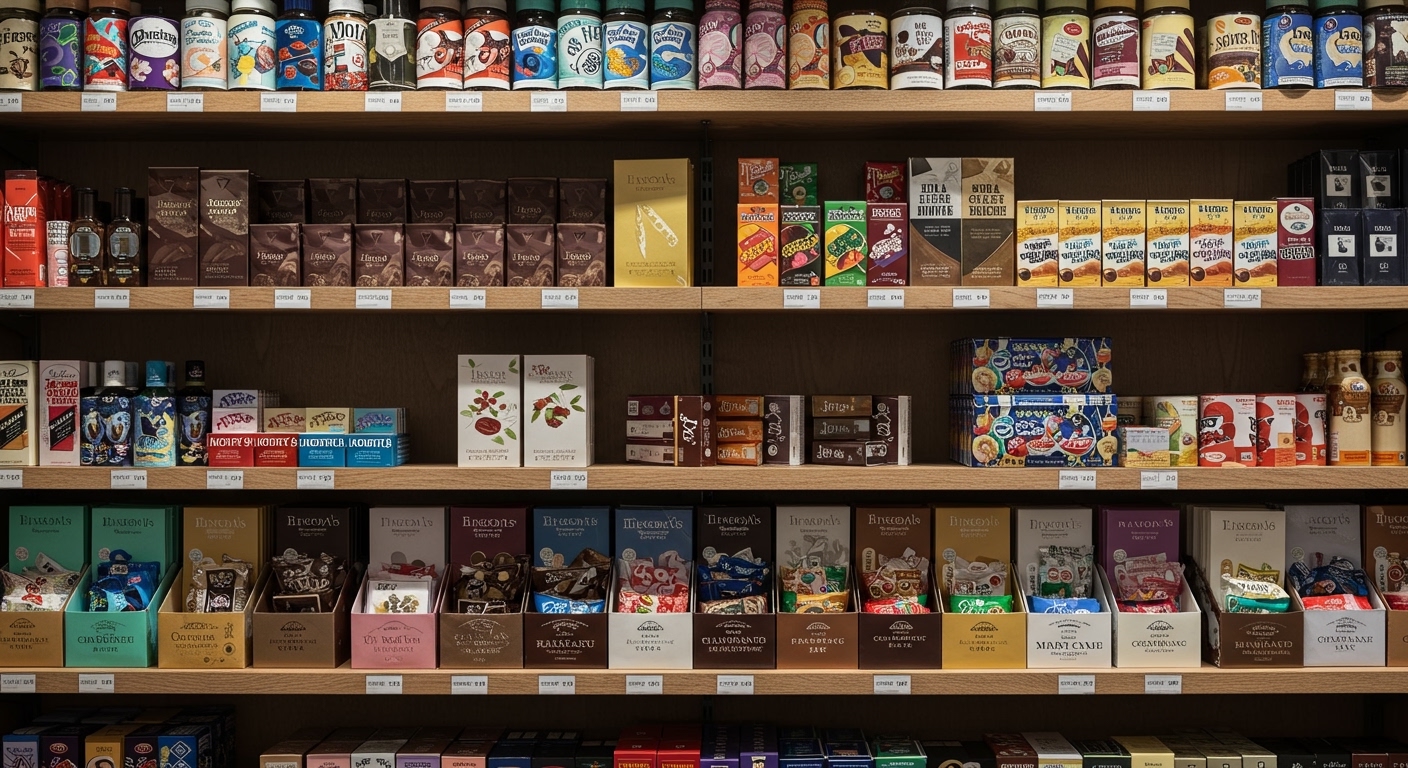
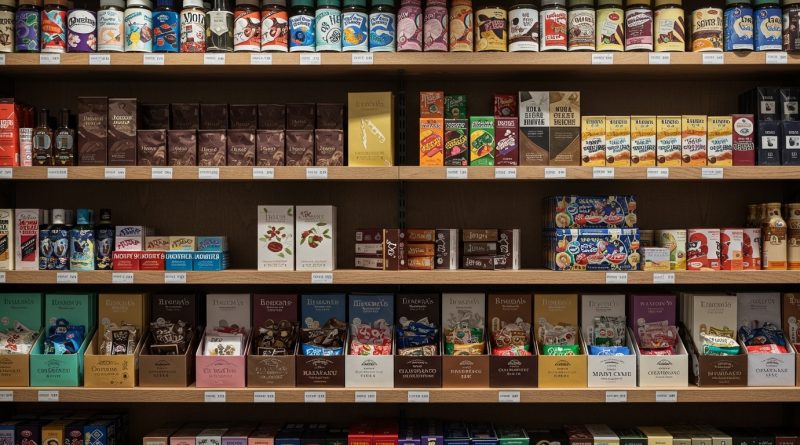
The humble chocolate bar wrapper is now the art world’s most potent canvas, signaling a seismic shift in how we perceive packaging.
The contemporary moment demands that packaging transcend its utilitarian function, becoming an immersive experience that whispers to the consumer through touch and sight. This is no longer about merely protecting goods; it’s about crafting a narrative, evoking emotion, and building a tangible connection. In an era saturated with digital ephemera, the unboxing ceremony has become a critical touchpoint, a moment of anticipation and delight. Simultaneously, the urgent imperative for sustainable materials is reshaping design dialogues, pushing for innovation in recyclability, biodegradability, and circularity. This environmental consciousness is not a concession but a catalyst, inspiring designs that are as responsible as they are resonant. Shelf impact, once solely a battle of loudness, now hinges on nuanced aesthetics, appealing to a discerning eye seeking authenticity and artistry. Crucially, tactile branding, the often-overlooked dimension of touch, is emerging as a powerful differentiator, imbuing products with a sense of quality, heritage, or even rebellion.
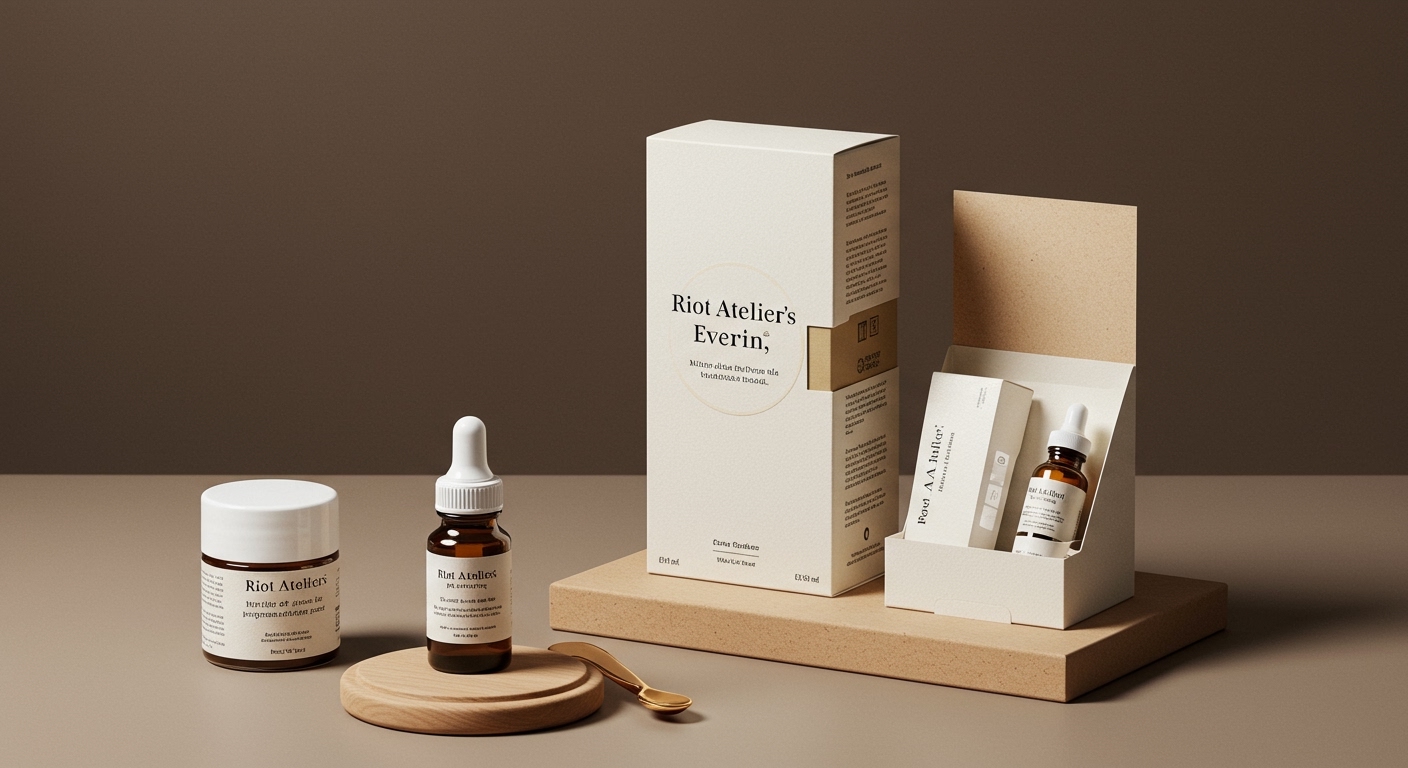
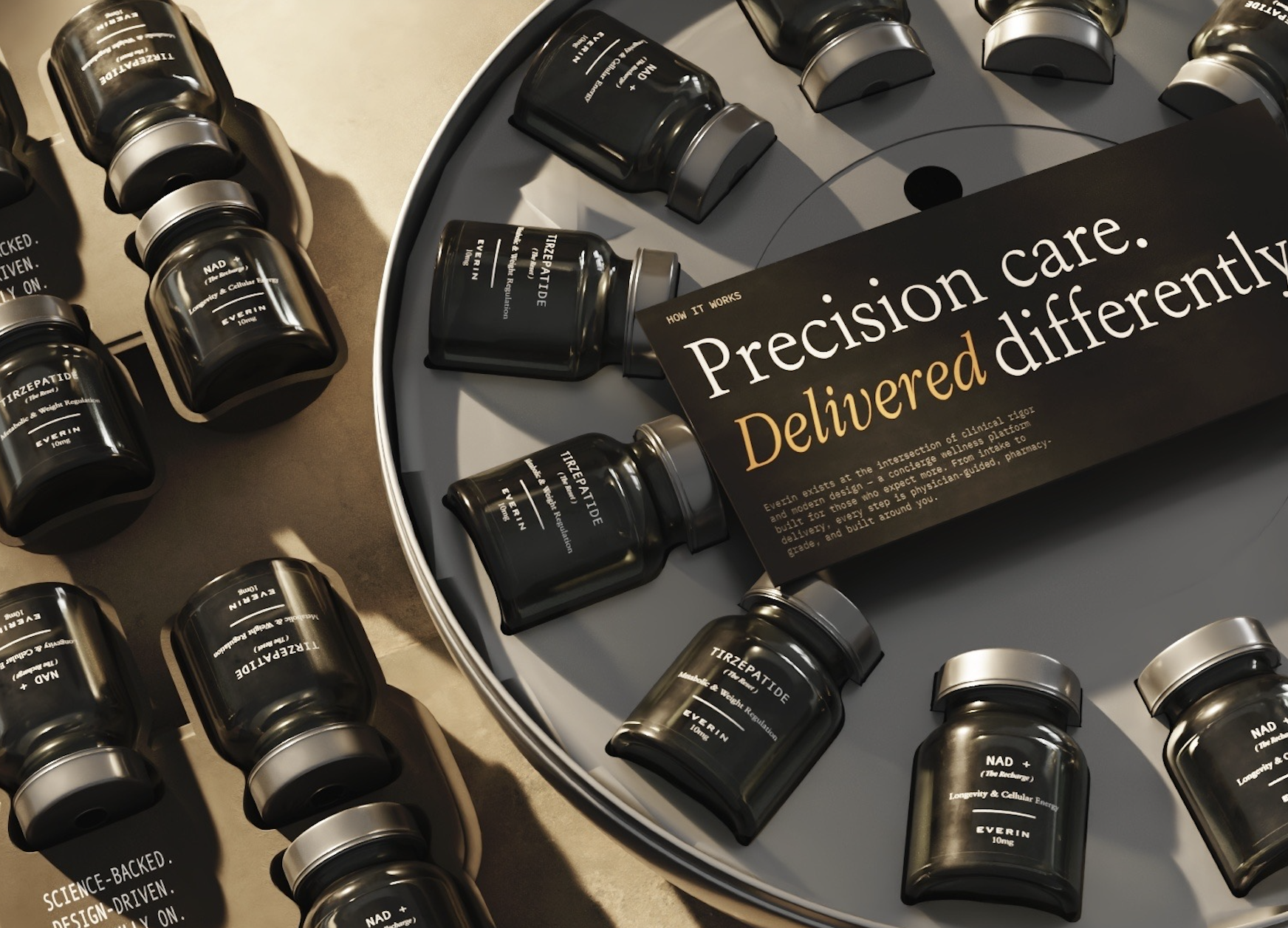
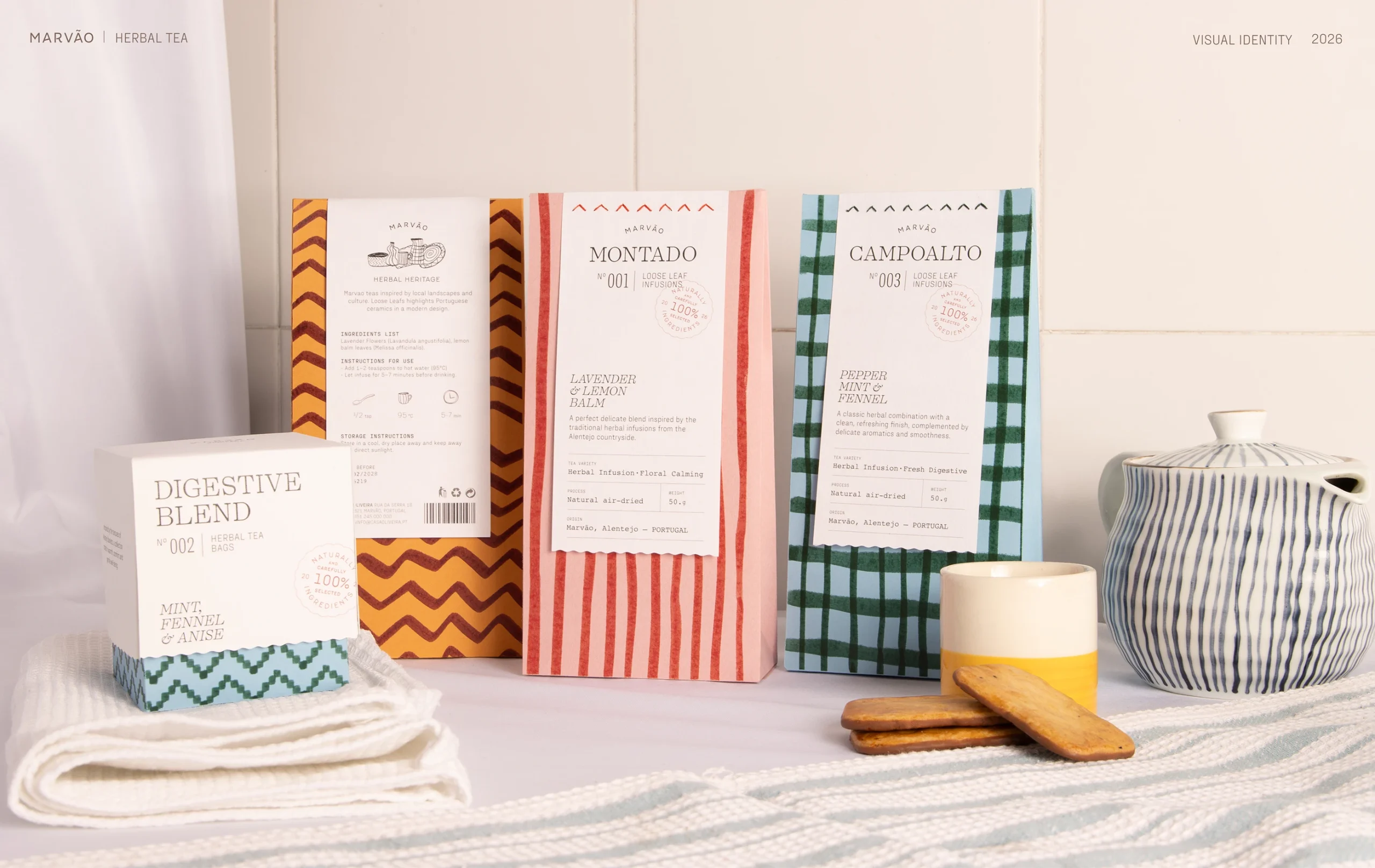
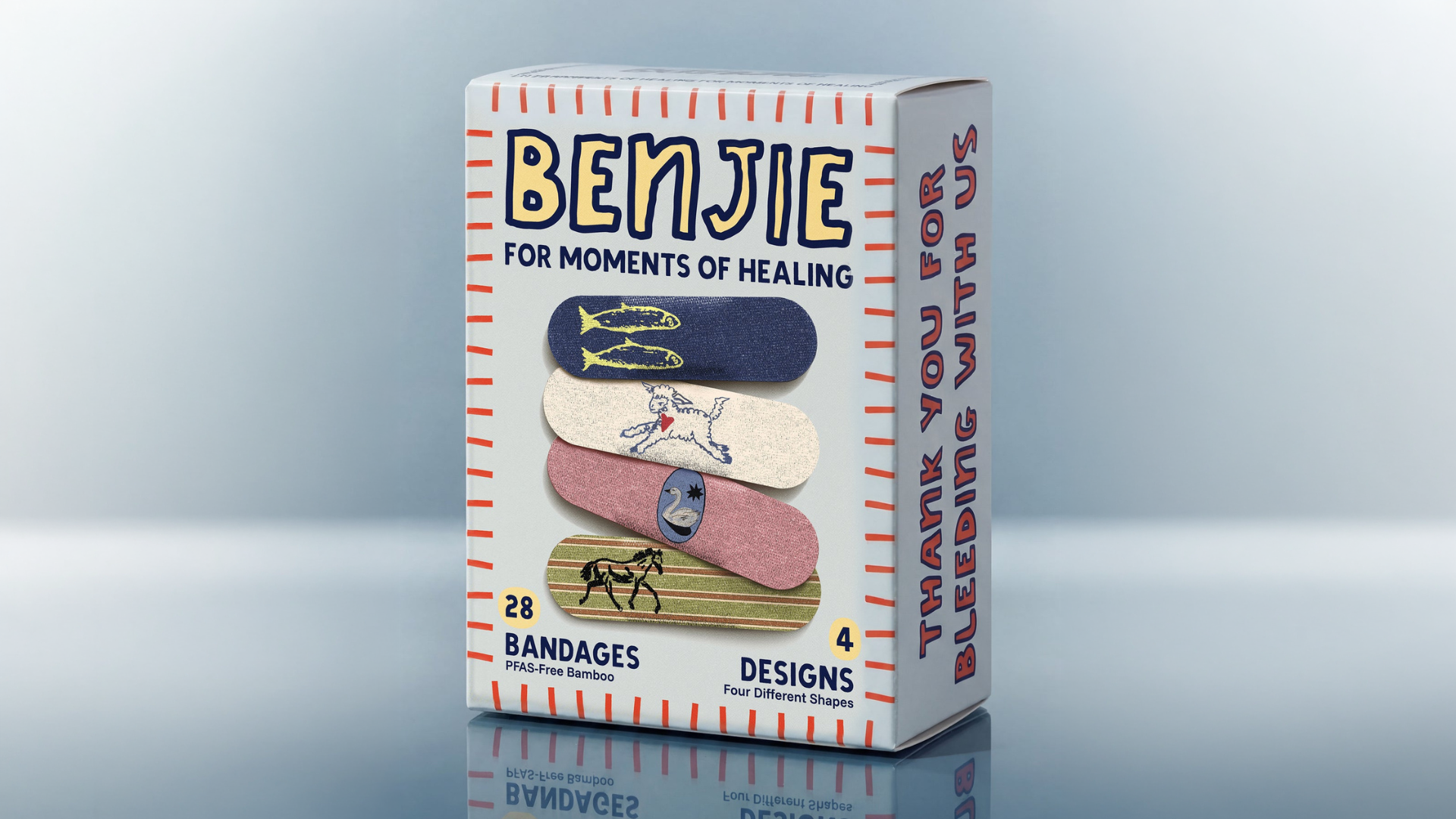
The news reveals a fascinating dichotomy in packaging’s evolution. On one hand, there’s a discernible move towards elevated, almost artisanal experiences. Riot Atelier’s design for Everin transforms prescription medication packaging from sterile necessity into a luxurious, apothecary-inspired ritual, emphasizing reusability and long-term value through an aluminum orb. This speaks to a desire for sophisticated, almost heirloom-quality objects within everyday life. Marvão Tea, by Elisa Tapia de Andrés and Carlos Cuenca Sánchez, likewise eschews mass-produced clichés for hand-drawn folk patterns and refined typography, evoking a sense of discovered treasure and authentic craft. Even something as mundane as a bandage, as seen with Benjie, is being reimagined for adults with taste, moving beyond cartoonish optimism or clinical neutrality towards a minimalist, capsule-wardrobe aesthetic that respects the user’s personal style. These examples highlight packaging as an extension of personal identity and aspiration.
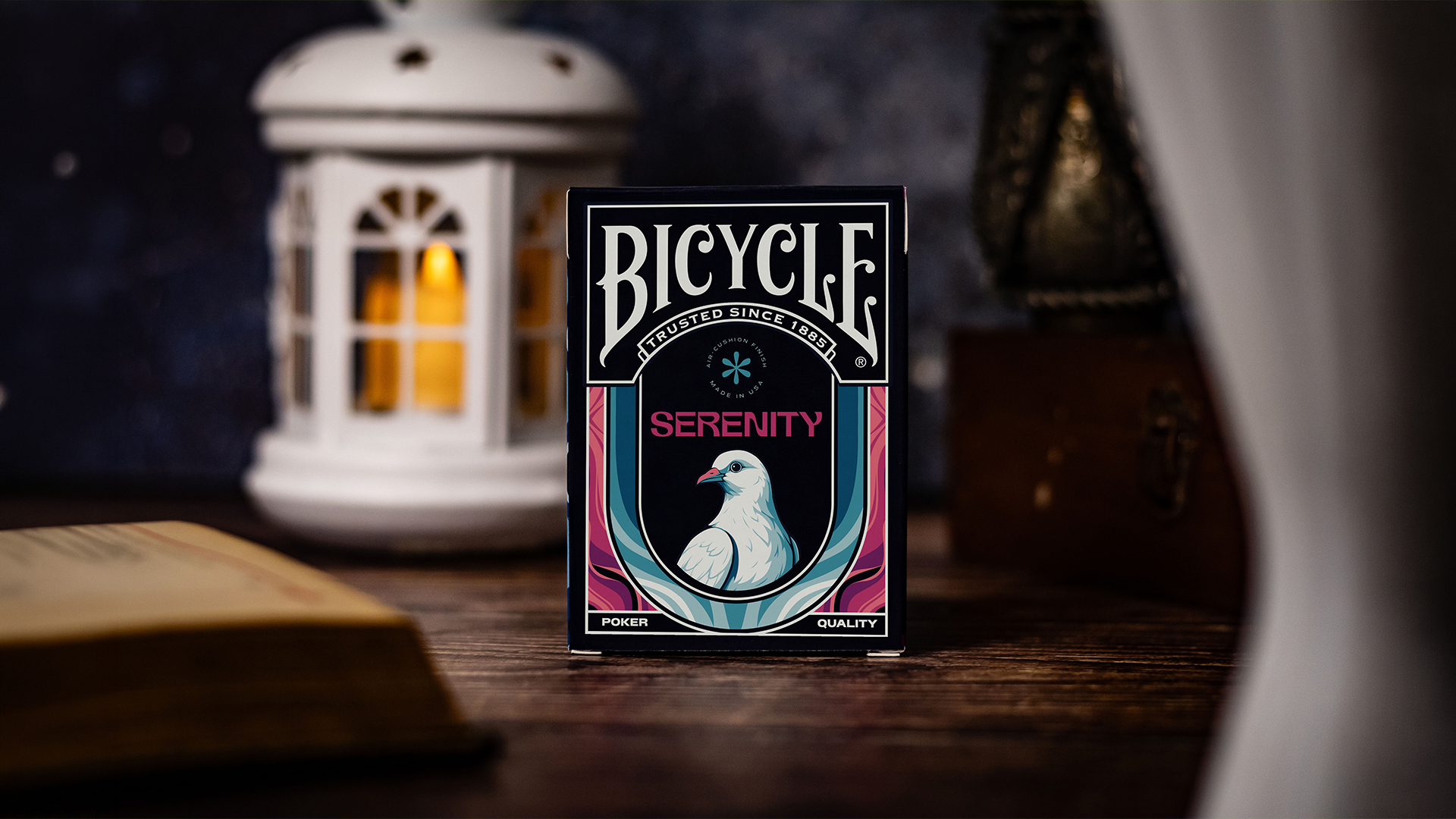
However, a countercurrent of accessible artistic expression is also gaining momentum. The Bicycle playing card decks designed by Destino showcase a rigorous, collectible approach to illustration, transforming a mass-produced item into a highly detailed, visually immersive object where every element, from pip to box, contributes to a cohesive, magical narrative. This suggests that even within highly standardized product categories, there’s an appetite for deeply considered design that elevates the everyday. The AGI Open initiative, featuring 100 top designers reimagining chocolate bar wrappers, powerfully illustrates this convergence. It elevates a fleeting, disposable item into a canvas for renowned artistic talent, blurring the lines between commercial packaging and fine art, and demonstrating the profound potential for creative expression on even the most humble of surfaces. This highlights a democratization of design, where significant creative capital is being invested in objects that are inherently transient.
The tension lies between packaging as a high-concept, aspirational artifact and packaging as an accessible platform for widespread artistic engagement. We see brands creating elaborate, almost precious experiences for premium products, fostering a sense of exclusivity and ritual. Concurrently, there’s a groundswell of design initiatives that repurpose everyday packaging, like chocolate wrappers, as canvases for globally recognized artists. This creates a paradox: are we designing for permanence and curated luxury, or for ephemeral artistic statements accessible to the masses? This isn’t a choice between two opposing forces, but rather a dynamic tension that is pushing the boundaries of what packaging can be. It suggests that the future of packaging lies in its ability to embody both profound aesthetic value and broad cultural resonance.
The humble chocolate bar wrapper, now a canvas for legends, will evolve into the primary medium for democratized artistic ownership, where collectible, limited-edition packaging becomes the new accessible art market, bypassing traditional galleries and making design mastery a tangible, everyday possession.
TL;DR
Packaging is becoming a luxury experience and an accessible art form simultaneously.