JHDD Packaging Report — 2026.06.10
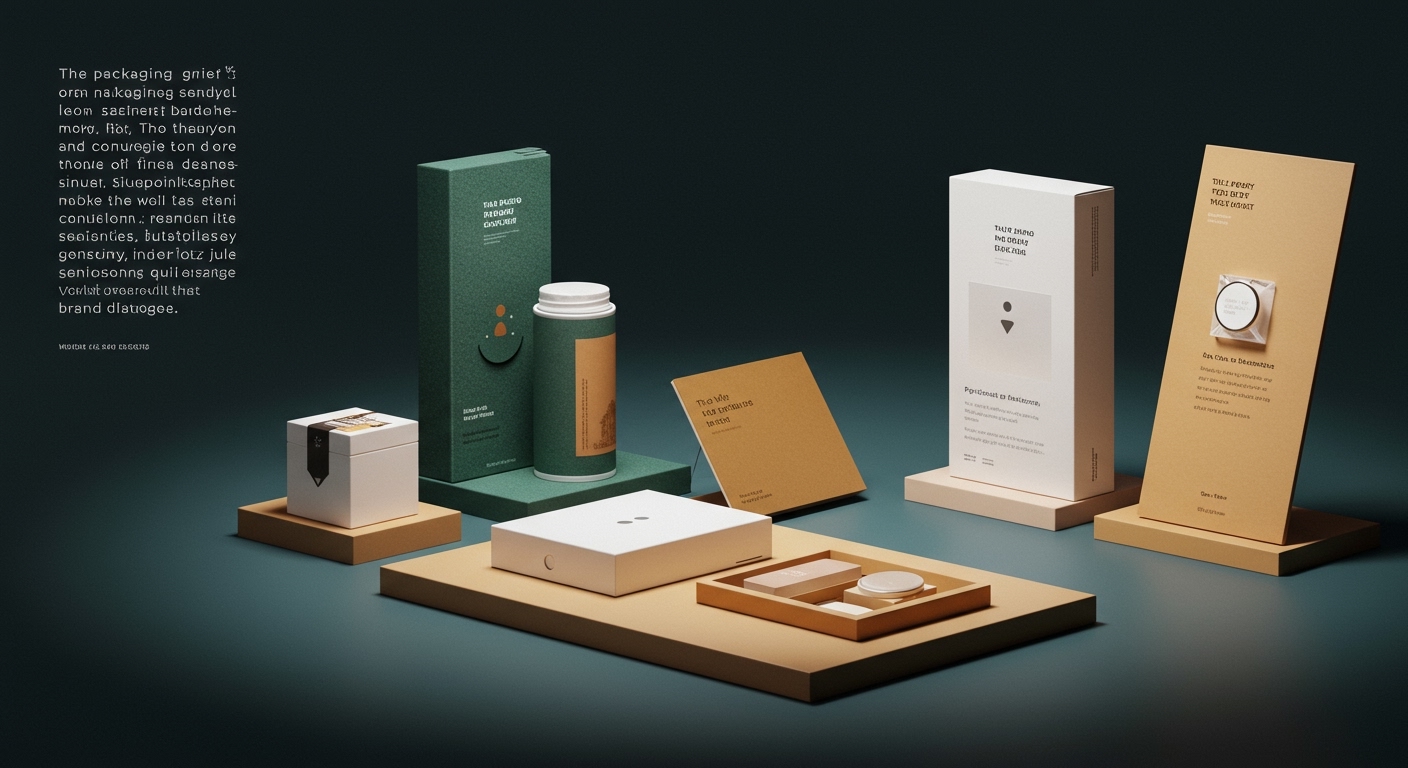
The packaging brief is no longer the final destination; it’s the genesis of a persistent, multi-sensory brand dialogue.
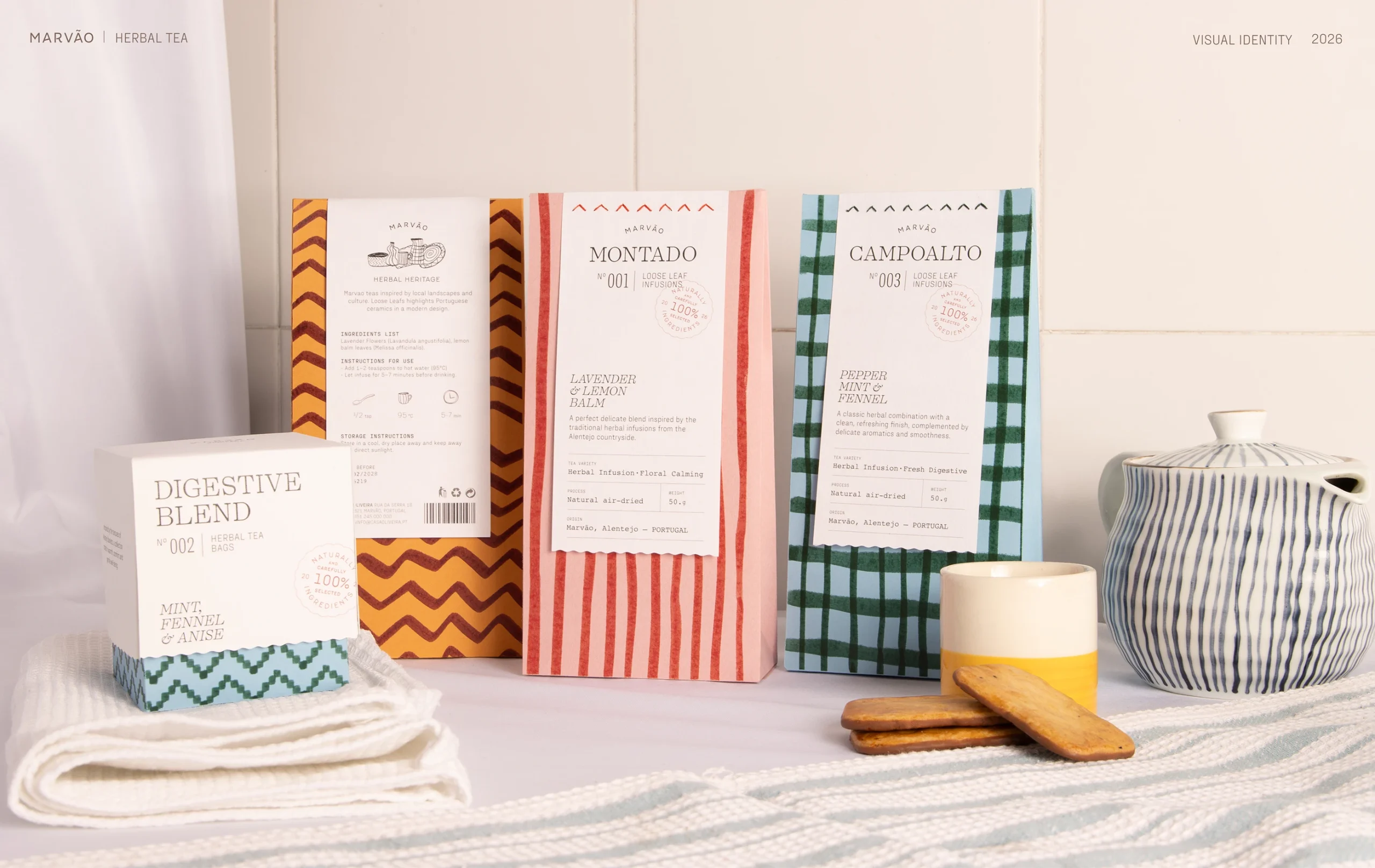
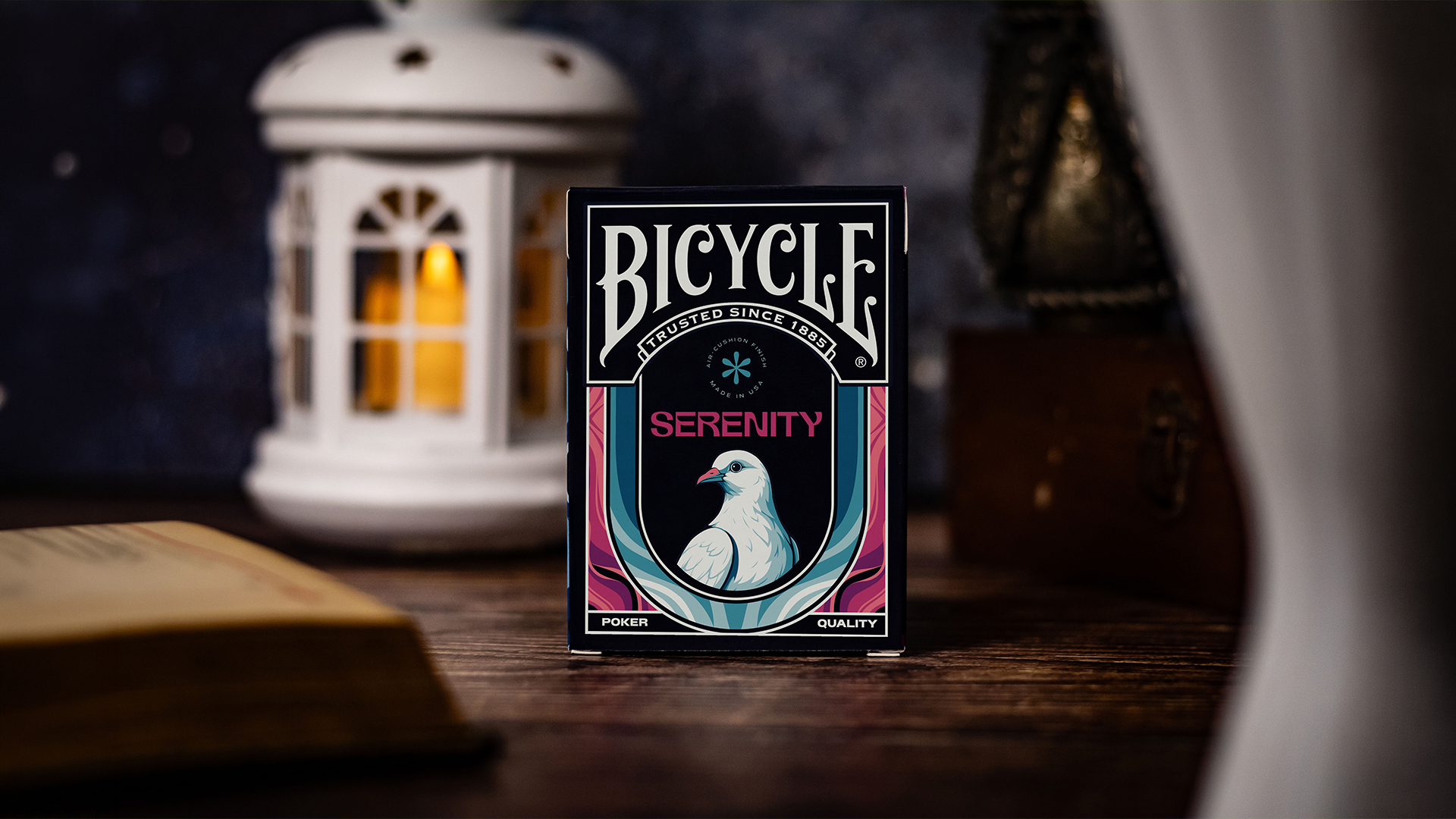
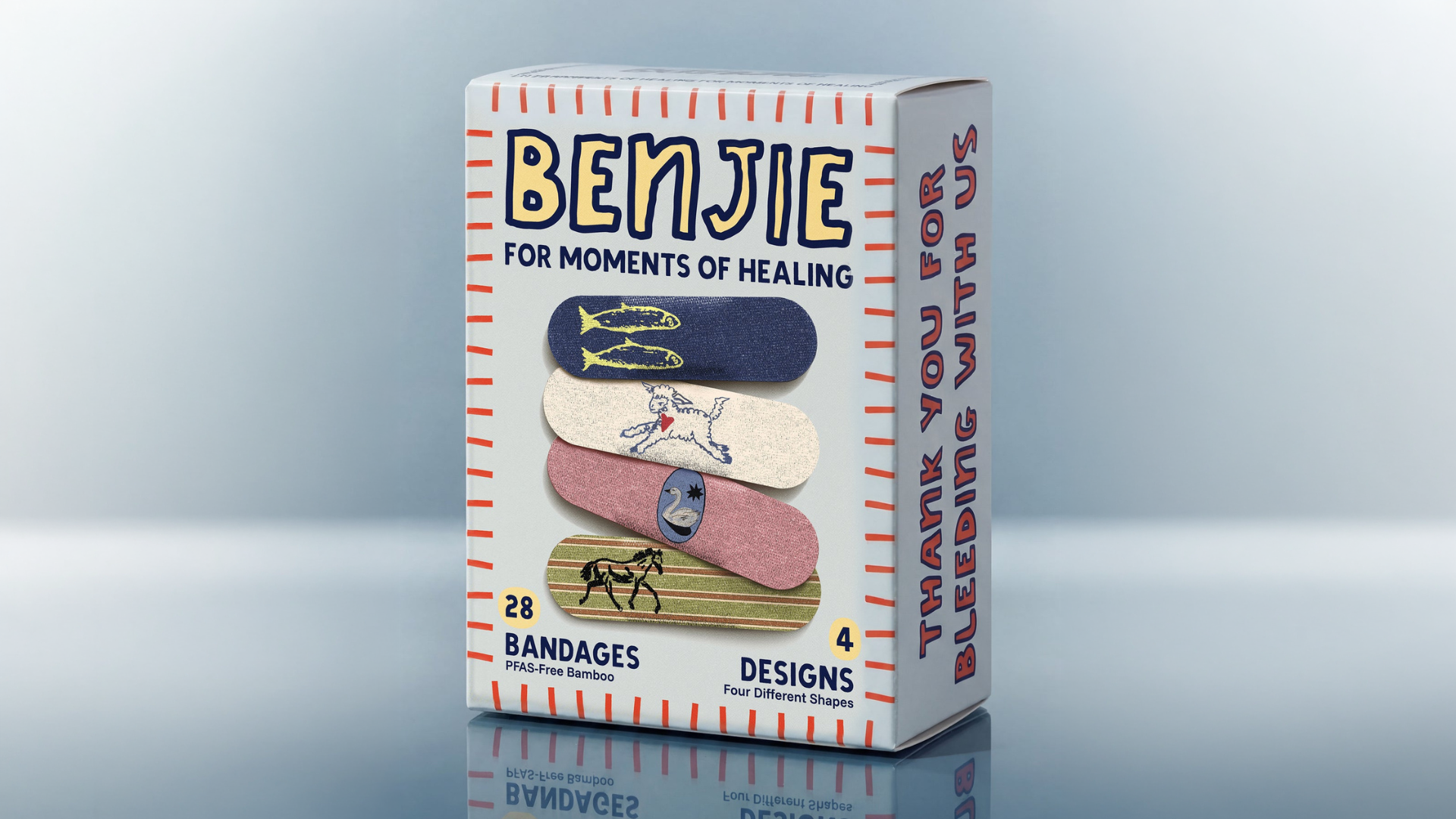
Across seemingly disparate categories – from peptide medication and herbal teas to bandages and playing cards, with even chocolate bar wrappers entering the high-art discourse – a unified shift in packaging strategy is emerging. This isn’t merely a cosmetic upgrade; it’s the ascendance of “tactile storytelling,” a deliberate embrace of material intelligence and physical interaction to forge deeper, more enduring consumer connections. The underlying force is a maturation of brand expectation, moving beyond ephemeral visual appeal to a demand for enduring sensory engagement that mirrors the longevity and perceived value of the product itself. This is driven by a growing consumer fluency in discerning true quality, an almost intuitive radar for authenticity that shallow, trend-driven design can no longer satisfy.

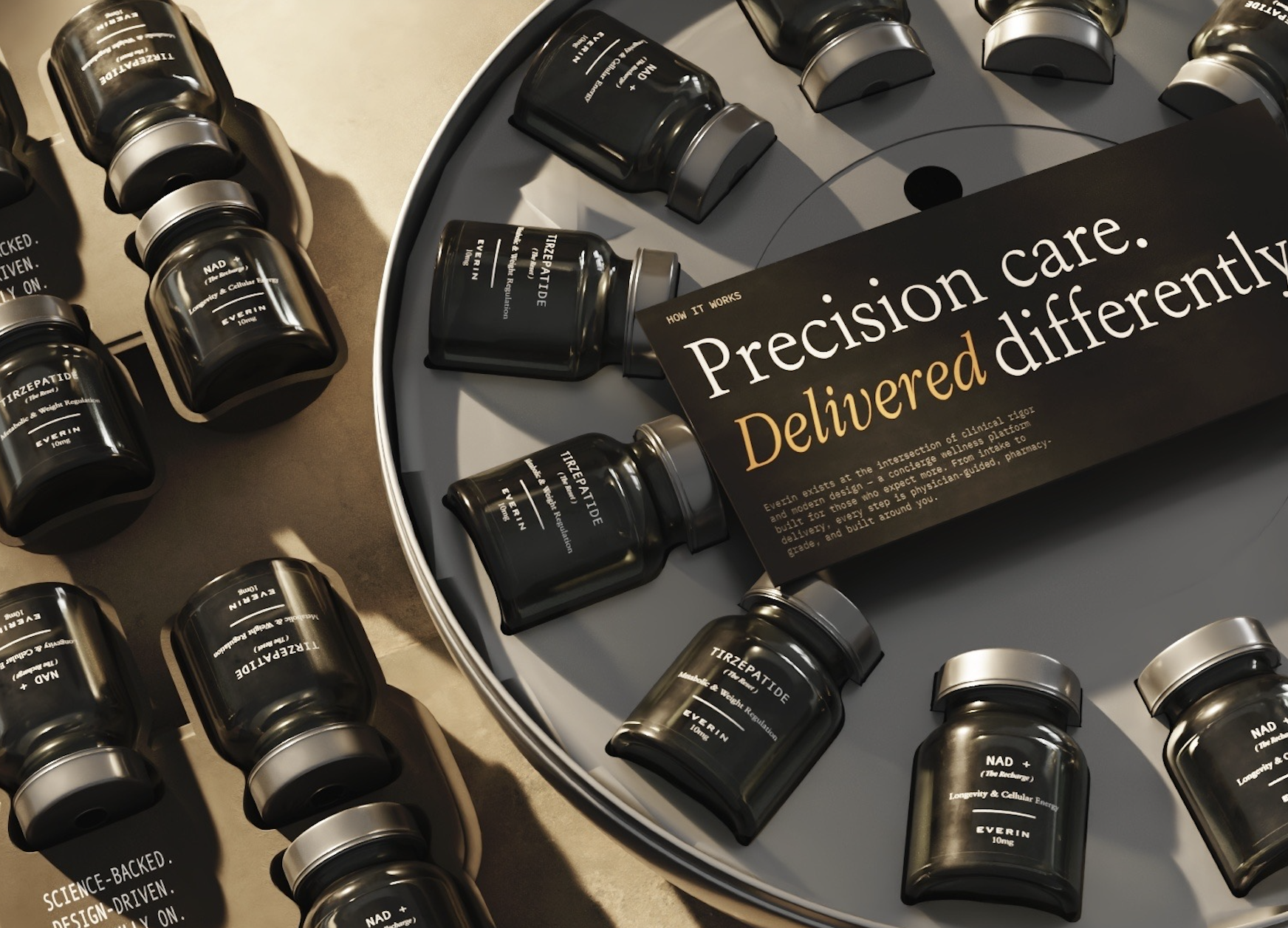
This tactile evolution is most evident in brands prioritizing an extended unboxing experience, transcending the immediate reveal to incorporate elements designed for continued interaction and even obsolescence mitigation. Consider Riot Atelier’s work for Everin, where the reusable aluminum orb isn’t just packaging; it’s a deliberately designed artifact, a statement of commitment to long-term value and a tangible embodiment of the brand’s serene, apothecary-inspired ethos. This approach directly challenges the prevailing industry wisdom that prioritizes single-use disposability and fleeting visual impact for shelf appeal. The mainstream often still defaults to a race-to-the-bottom on material cost and rapid visual pop, missing the long-term equity built through tactile engagement. By investing in durable, aesthetically considered containers that invite reuse and offer a satisfying physical presence, brands like Everin cultivate a more profound sense of brand loyalty. The true impact isn’t just immediate acquisition; it’s the lingering physical memory and the elevated perception of quality that such thoughtful material choices afford. My prediction is that within 18 months, brands that fail to integrate discernible tactile storytelling into their primary packaging will see a measurable decline in perceived brand value and consumer engagement, particularly within premium and wellness sectors.
The friction in this evolution stems from a deeply entrenched industry reliance on rapid-turnaround, visually-driven design cycles that often treat packaging as a disposable wrapper rather than a continuous brand touchpoint. This is exacerbated by supply chain complexities and a cost-per-unit mentality that penalizes experimentation with novel materials and intricate structural design. The established order, often dictated by procurement departments focused on volume and price, remains hesitant to embrace the upfront investment required for elevated tactile experiences. This resistance reveals a fundamental misunderstanding: the perceived higher cost of premium tactile packaging is often offset by increased brand equity, reduced waste perception, and a stronger barrier to counterfeiting, creating a compelling long-term ROI that short-term cost-cutting ignores.
For a working Packaging professional, the actionable takeaway this week is to re-evaluate the “end of life” strategy not just for the material, but for the entire packaging object. Instead of solely focusing on recyclability or compostability, begin by asking: “What is the inherent tactile pleasure or utility of this packaging object after its primary function is fulfilled?” This simple reframing can unlock opportunities for extended brand presence, from durable keepsake boxes that invite storage to cleverly engineered components that can be repurposed.
TL;DR
The future of packaging lies not in its visual disposability, but in its sustained tactile dialogue with the consumer, demanding durable materials and thoughtful design that elevates the brand beyond a single interaction.
Curated References

About this editorial — This piece was developed using AI-assisted research and curation across multiple industry sources. All analysis, opinions, and predictions represent the editorial perspective of JHDD. Sources are linked in the references section above.