Julian’s Branding Insight — 2026.06.08
Brand success is no longer about memorability, it’s about meaningfulness.
In a world saturated with fleeting trends and the constant churn of visual noise, the enduring power of brand equity is being redefined. Today’s consumers, armed with an almost infinite capacity for information and a keen eye for authenticity, are demanding more than just a logo; they seek brands that resonate with their values and speak to their cultural moment. This shift is particularly evident in the dynamic landscapes of food, art, and everyday consumer goods, where visual identity systems must now function as sophisticated narrative devices. Market positioning is less about shouting the loudest and more about whispering the most profound truths, making the deliberate evolution of a brand’s visual and experiential language a critical strategic imperative. The design news of late underscores this evolution, showcasing how agencies are moving beyond superficial aesthetic treatments to craft identities that actively engage with cultural signals and forge deeper connections.
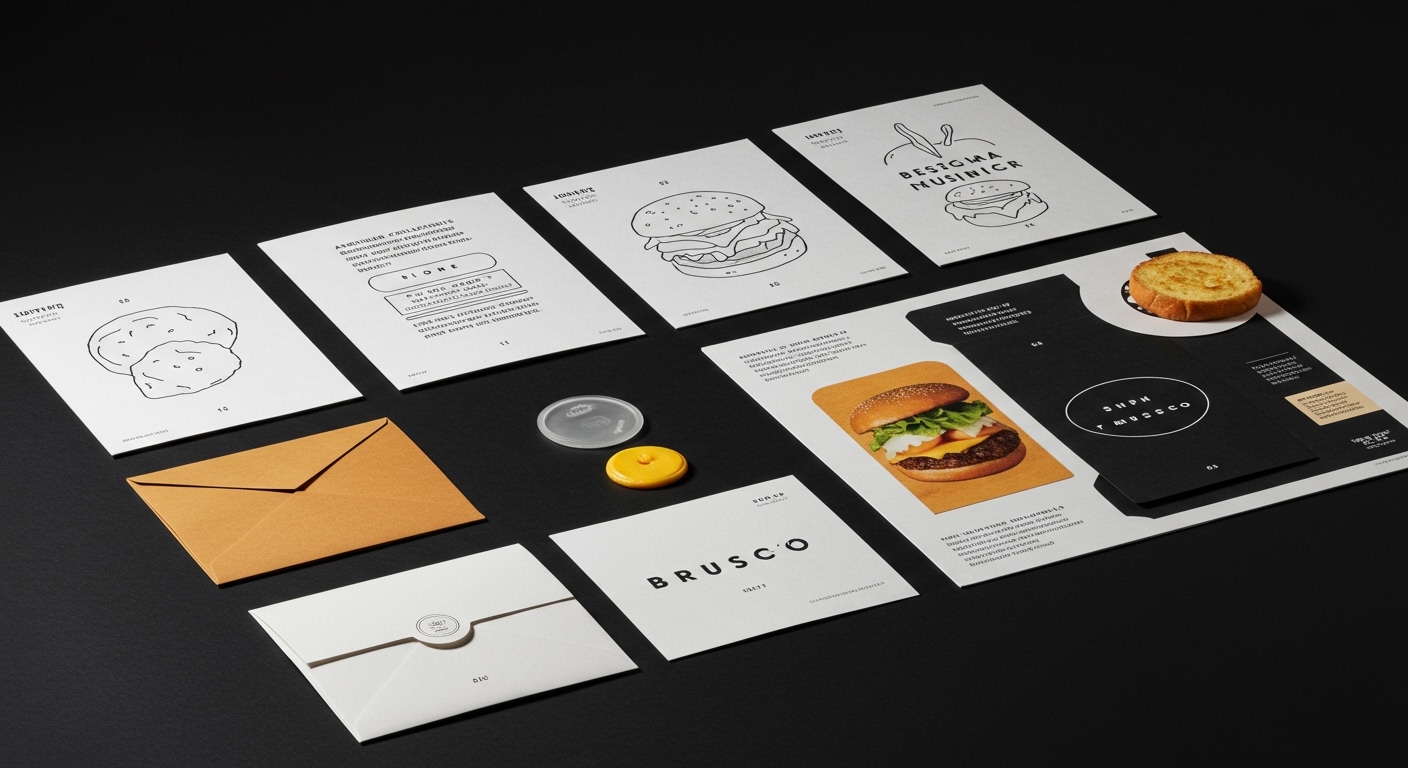
The recent work emerging from the design sphere reveals a compelling pivot from the purely aesthetic to the inherently contextual. Consider the reinvention of classic burger joint tropes by Another Collective for Brusco. This isn’t just about a retro-futuristic logo; it’s a nuanced understanding of how culinary nostalgia intersects with contemporary desires, translating a feeling into a tangible visual identity system that feels both familiar and fresh. Similarly, Koto’s revitalization of The Norton Museum of Art’s brand identity transcends mere visual updates. By integrating the museum’s ethos – “art and life meet as a part of everyday art” – into its visual and physical touchpoints, they’ve fortified its cultural relevance and repositioned it as an accessible, integrated experience rather than an exclusive repository. This speaks to a broader trend: the strategic deployment of design to fortify cultural institutions and ensure their continued resonance with evolving audiences. The conversation around packaging, too, is deepening. Lisa Cain’s observations on Studio Bland’s Bu Deli butter and Beta Design’s Fussy hand soap highlight a critical consumer demand for transparency and intention. It’s no longer enough for packaging to simply contain; it must communicate efficacy, sustainability, and a thoughtful user experience.
This moment is defined by a burgeoning tension between the demand for artisanal authenticity and the imperative of scalable efficiency. Brands are grappling with how to imbue mass-produced or widely distributed products with the bespoke feel of handcrafted goods. OlssønBarbieri’s identity for Theaterbaren, with its melodrama-infused take on formality, exemplifies this. They are not simply creating a brand for a theatre bar; they are crafting an experience, a narrative that leverages the inherent theatricality of the institution itself to elevate a seemingly everyday space. This is a sophisticated form of brand building that prioritizes emotional engagement and storytelling over conventional modes of luxury or exclusivity. Yet, this pursuit of narrative richness must be balanced against the practicalities of widespread availability and consistent brand execution across numerous touchpoints. The challenge lies in translating such rich, often theatrical, narratives into systems that remain coherent and compelling whether experienced in person or through a digital interface, ensuring that the “friction” of the mundane doesn’t “kill the fantasy.”
Looking ahead, expect brands to move beyond mere “personality” and actively curate “worlds.” This means developing comprehensive, multi-sensory ecosystems where visual identity is just the entry point. The most successful brands of the next decade will not only look distinctive but will possess an internal logic that dictates everything from product development and customer service to the ambient sounds within a retail space and the scent profile of their packaging. They will be less about defining what a product is and more about defining what an experience feels like, creating immersive, coherent realities that consumers can inhabit.
TL;DR
Brands are now judged on their cultural resonance and experiential depth, not just their visual appeal.