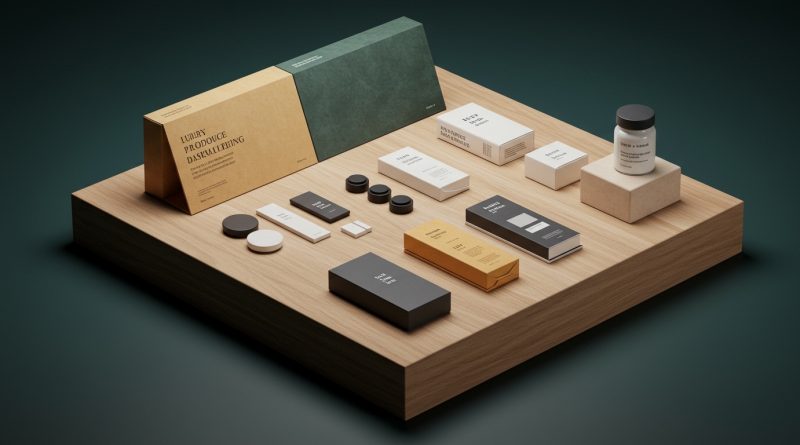
JHDD Packaging Report — 2026.06.07
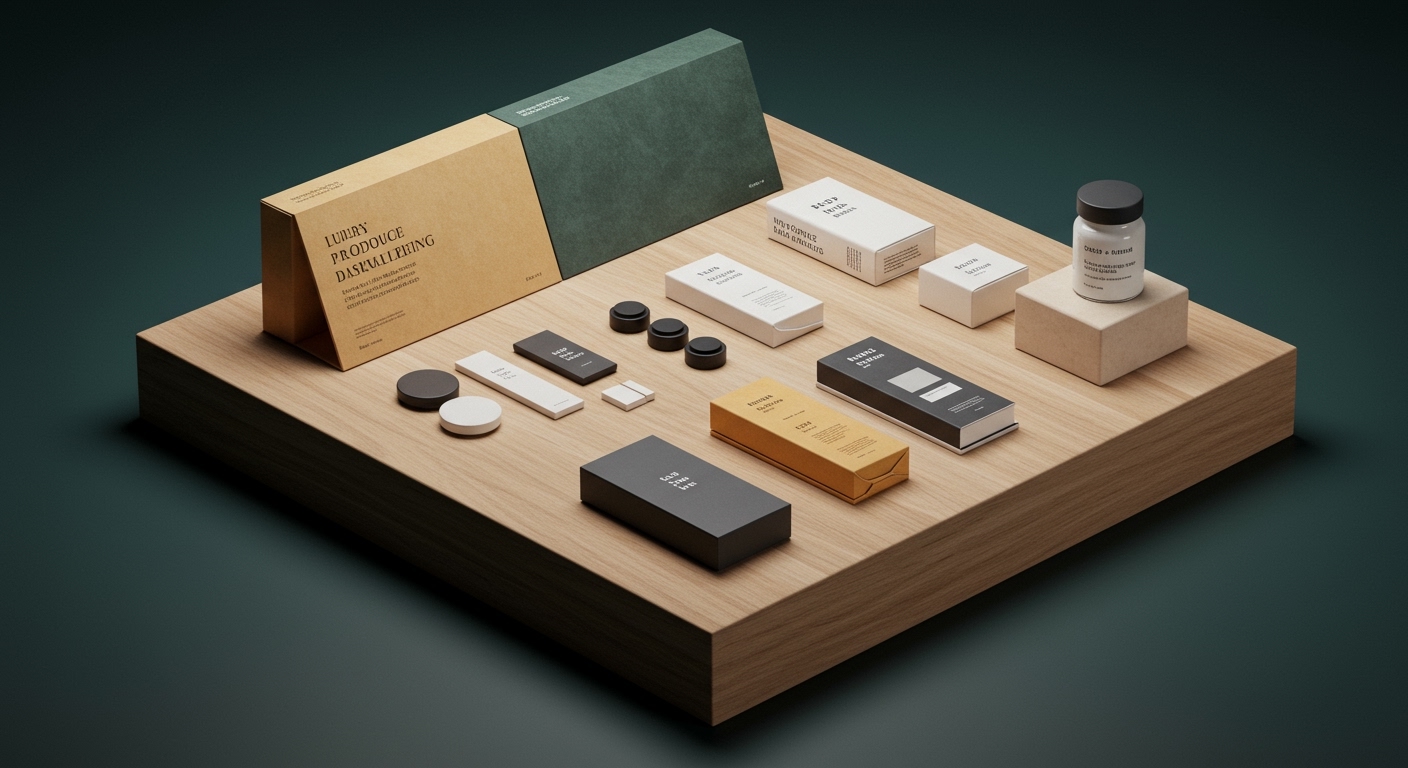
The brief is the last thing keeping agencies alive, as the client-driven commodification of design has finally collided with the existential demands of material reality.
A subtle but undeniable seismic shift is occurring across packaging design, driven by a confluence of material innovation, cultural fatigue with ephemeral trends, and the increasingly urgent mandate for genuine environmental stewardship. This isn’t merely a cyclical return to vintage aesthetics or a superficial nod to sustainability; it’s a fundamental re-evaluation of packaging’s role as a physical touchpoint, a storytelling medium, and an ecological actor. The underlying force is the emergent paradigm of “Radical Embodiment” – the idea that packaging’s true value is unlocked not through fleeting digital engagement, but through its tangible presence, its material integrity, and its deeply considered lifecycle. This paradigm insists that design must physically perform its purpose, resonate with inherent material qualities, and acknowledge its eventual fate with an accountability previously reserved for living organisms.
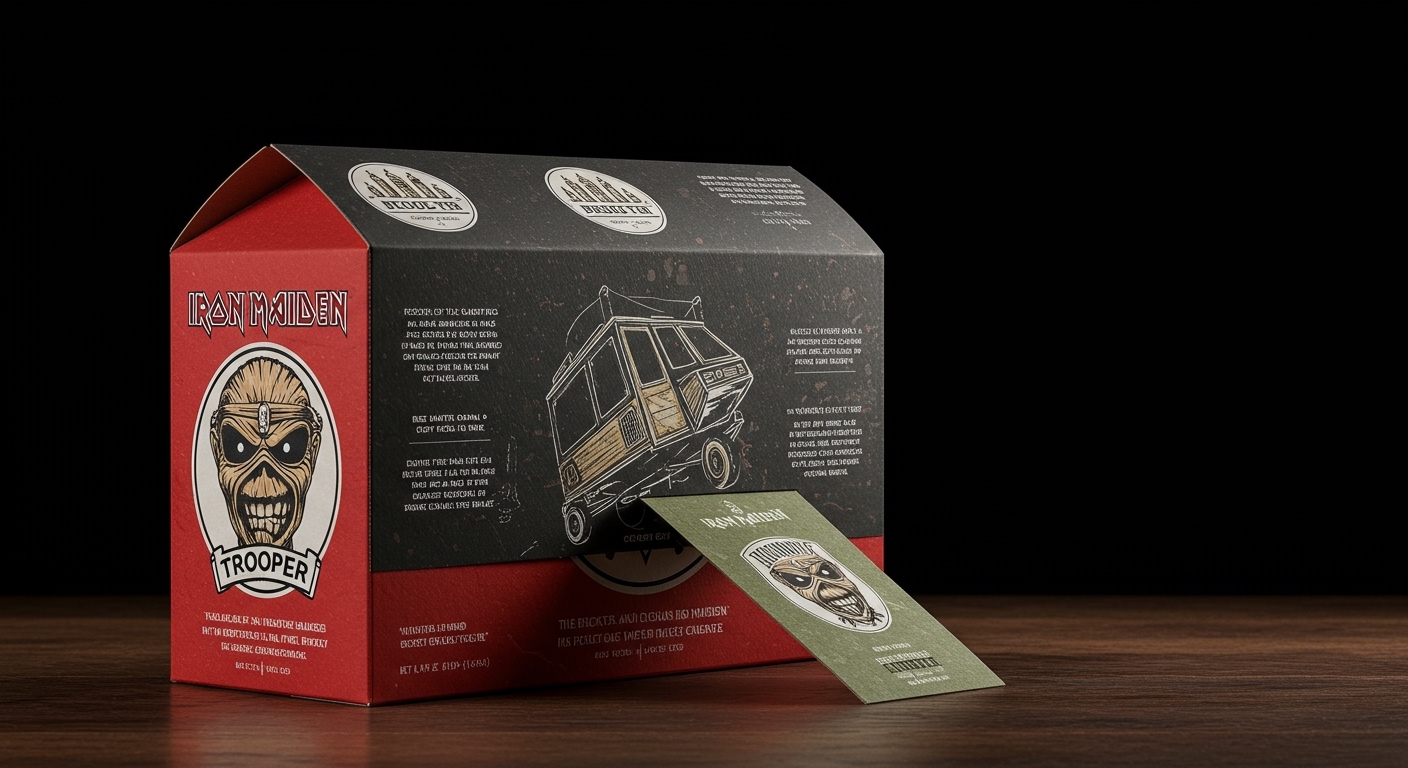
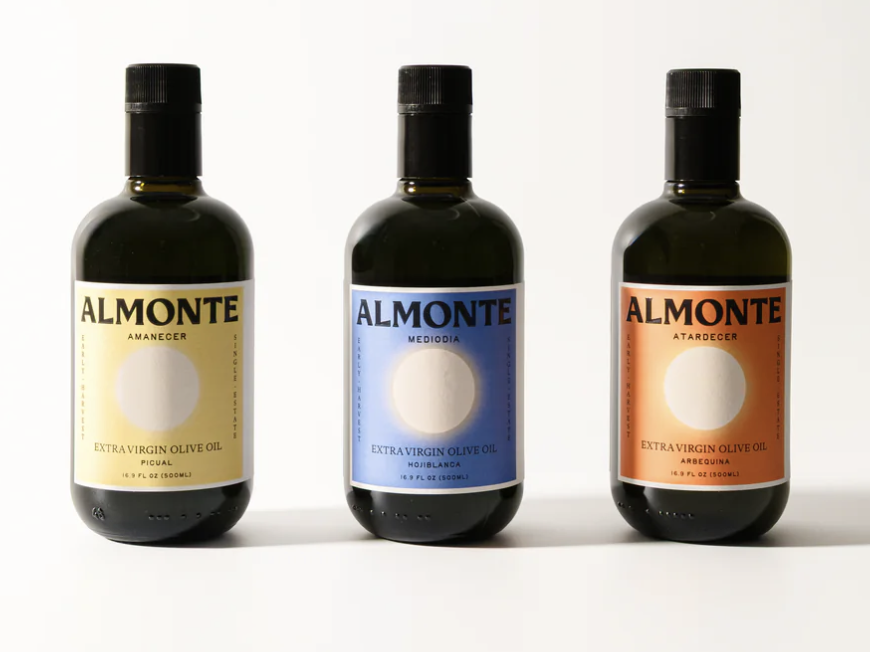
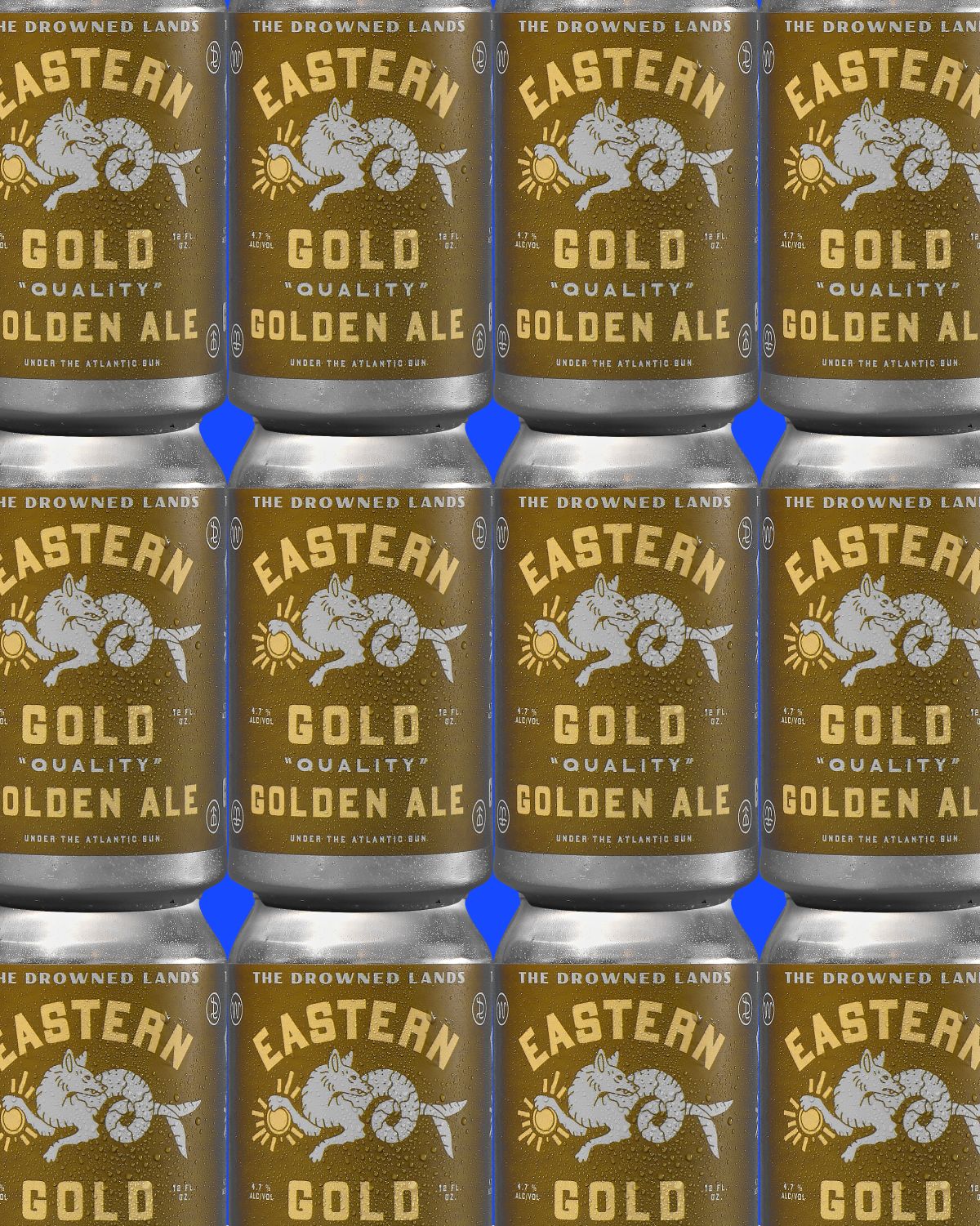
Beneath the surface of these diverse design expressions lies a growing rejection of the glossy, disposable aesthetic that has dominated consumer goods for decades. Brands are realizing that true premiumization, particularly in food and beverage, is no longer achievable through ostentatious finishes or generic luxury cues. Instead, authenticity, provenance, and a tactile narrative are becoming the new arbiters of value. Take, for instance, the work of Prime Studio for Almonte Extra Virgin Olive Oil. They eschewed the expected, leaning into a sophisticated color system that communicates variety and origin with an elegance born from constraint and material awareness. This is not about looking old; it’s about looking honest, about embodying the very essence of the product within the package. This approach directly challenges the mainstream industry opinion that believes premium requires a certain sheen or a conspicuous display of “luxury.” In reality, consumers are increasingly discerning, and that discernment is translating into a desire for packaging that feels grounded, considered, and possesses an intrinsic material honesty. Furthermore, the move towards deeply specific, almost artisanal aesthetics, as seen in Young Jerks’ design for Eastern Gold, signals a deliberate counter-offensive against the globalized, homogenized visual language that has saturated shelves. The intentionally distressed typography and folk-art inspired illustration create a sense of inherited craft and place, making the product feel less like a mass-produced item and more like a carefully curated artifact. This focus on tactile and visual storytelling, deeply rooted in material truth, will become the primary driver of shelf impact. We will see a significant acceleration in the adoption of these materially honest and narrative-rich packaging strategies, with brands that fully embrace this shift achieving demonstrable market leadership by late 2025.
The friction in this paradigm shift arises from the deeply entrenched economics and logistics of the current packaging ecosystem. Legacy manufacturing processes, optimized for speed and cost-efficiency with virgin materials, resist the integration of novel, sustainable substrates and the nuanced finishing techniques required for radical embodiment. The infrastructure for large-scale composting, advanced recycling, or truly circular material loops is still nascent, creating a bottleneck for brands aiming for genuine circularity beyond superficial claims. This inertia, driven by established supply chains and the financial models that underpin them, represents a significant counter-force to the aspirational designs emerging in the market. The tension between the design intent for truly sustainable and embodied packaging and the existing industrial reality reveals the critical need for systemic change, not just isolated design wins.
A working Packaging professional should, this week, actively seek out and experiment with at least one bio-based or compostable material that offers a distinct tactile quality. Beyond simply identifying it, the goal is to understand its inherent printing and finishing limitations and possibilities, and to begin sketching how its unique texture and form can be leveraged to tell a more authentic story about the product and its origins, even if the final application is still conceptual.
The future of packaging lies in its physical honesty and narrative depth, not its superficial gloss.
Curated References


About this editorial — This piece was developed using AI-assisted research and curation across multiple industry sources. All analysis, opinions, and predictions represent the editorial perspective of JHDD. Sources are linked in the references section above.