JHDD Branding Report — 2026.06.07
The brief is the last thing keeping agencies alive.
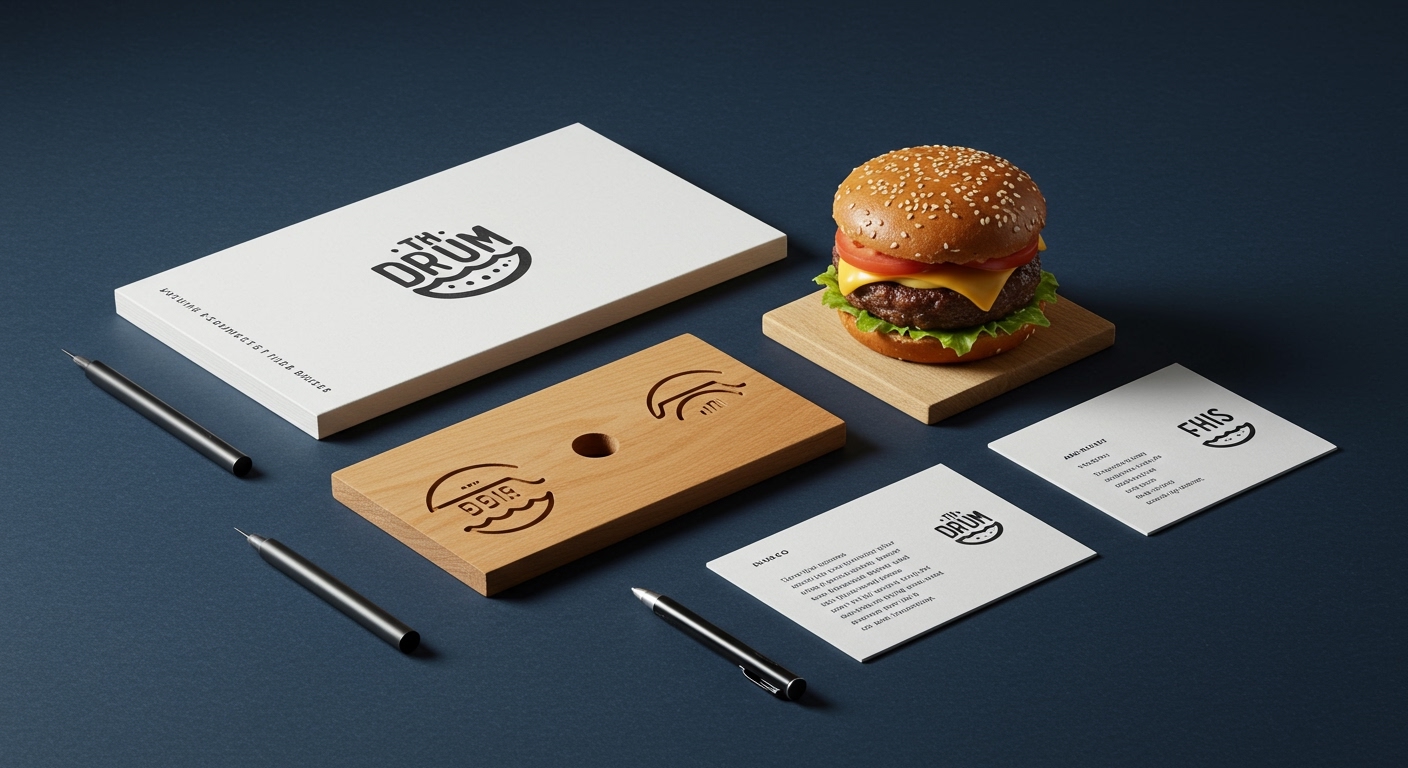
These disparate projects—a smash burger identity, a butter brand refresh, a museum rebranding, a refillable soap system, and a theatre bar visual language—collectively signal the widespread adoption of what can only be termed “narrative decoherence.” This isn’t about stylistic trends in visual identity, but a fundamental re-evaluation of how brands and institutions signal authenticity and value in a fragmented cultural landscape. It’s a move away from singular, monolithic brand stories towards a curated constellation of micro-narratives, designed to resonate with specific audience segments without alienating others.
Beneath the surface, the industry is grappling with the obsolescence of the grand, unified brand narrative. The monolithic storytelling approach, where a single heroic narrative was meant to encompass all brand touchpoints and audiences, is failing. This is evident in the deliberate fragmentation and emphasis on specific, often quirky, cultural touchpoints seen in projects like OlssønBarbieri’s identity for Theaterbaren. Instead of attempting to capture the totality of the National Theatre’s grandeur, the design focuses on specific dramatic archetypes, creating a more digestible and potent emotional hook for a particular segment of theatre-goers. This approach, which prioritizes localized resonance over universal appeal, directly contradicts the long-held industry belief that brand cohesion stems from a singular, universally understood message. Conventional wisdom suggests that dilution of a core message weakens a brand; this new approach argues that precise, resonant messages, even if niche, build stronger, more resilient brand equity by fostering deeper connection. By late 2026, brands that persist with broad, generic brand messaging will see their market share erode significantly to those embracing narrative decoherence.
The friction in this shift arises from an ingrained organizational inertia, particularly within legacy institutions. The Norton Museum of Art’s rebrand by Koto, for instance, attempts to integrate “art and life” more seamlessly. However, the inherent resistance comes from institutions built on the premise of established hierarchies of cultural value, where the art object is revered from a distance. The very notion of “everyday art” challenges centuries of curatorial practice and a public perception that art is something to be observed, not necessarily lived with or integrated into mundane activities. This tension between the desire for modern accessibility and the preservation of established cultural authority creates an interesting dynamic, where the visual identity must work harder to bridge this gap, potentially overcompensating with a visual language that feels overly curated to appear casual.
A working Branding professional should actively interrogate the necessity of a singular brand narrative for every project. This week, rather than defaulting to a broad, overarching brand statement, explore how different audience segments or product features could be communicated through distinct, yet related, narrative fragments. Identify the smallest, most potent cultural signal that can anchor a specific communication, and build outwards from there, allowing for strategic variation rather than forced uniformity.
TL;DR
Authentic brand resonance now stems from curated narrative fragmentation, not monolithic storytelling.
Curated References
About this editorial — This piece was developed using AI-assisted research and curation across multiple industry sources. All analysis, opinions, and predictions represent the editorial perspective of JHDD. Sources are linked in the references section above.