JHDD Interior Report — 2026.08.19
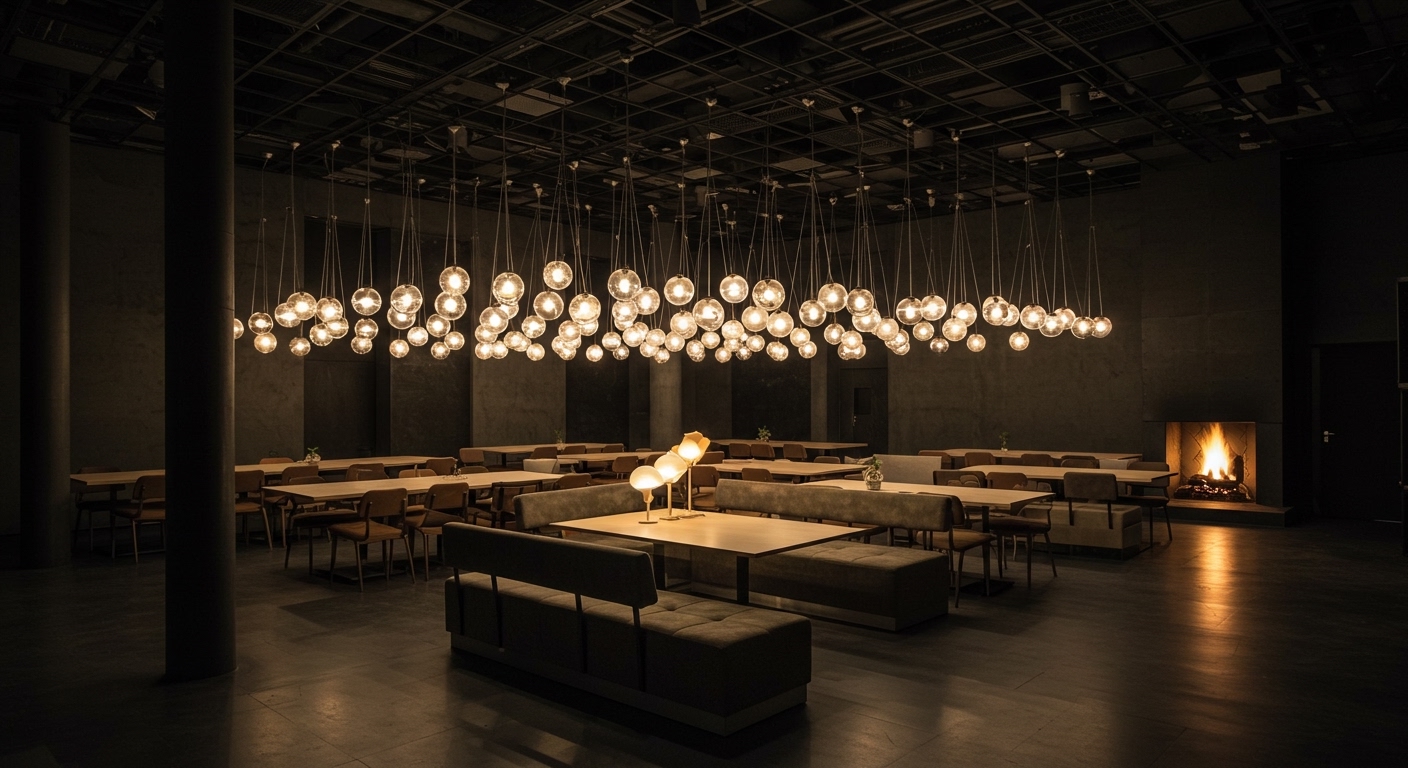
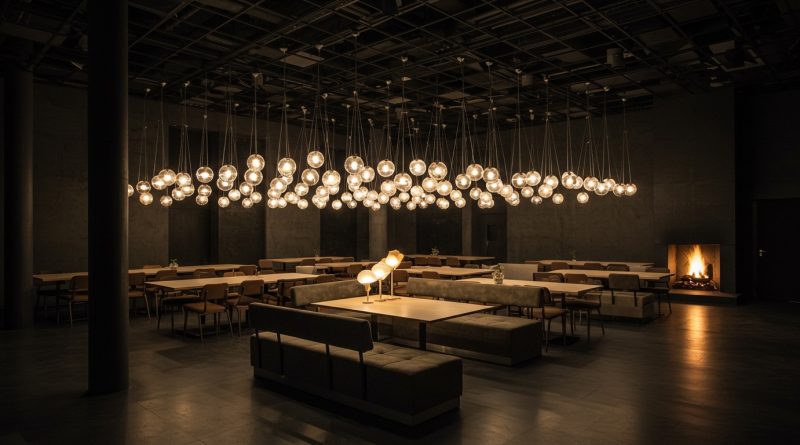
The Dean Munich, designed by Tatjana von Stein, notably features hundreds of bespoke lights and furnishings. This project, alongside the renovation by Ome Dezin and the widespread appeal of physically cooling spaces like the ice cream shops recently highlighted, points to a common thread: a renewed emphasis on direct, tangible sensory experience within designed environments. This effect is often achieved through meticulous material selection and custom fabrication, rather than relying on abstract psychological associations.
Tatjana von Stein’s design for The Dean Munich exemplifies a deliberate synthesis of historical periods, blending Jugendstil style with 1980s glamour. This is not a superficial overlay of styles, but a deep material and tactile engagement. The bespoke lights and furnishings provide specific points of interaction, creating spatial tension between the flowing elegance of Jugendstil curves and the bolder geometries of the 1980s. This approach, which prioritizes physical interaction with unique objects and carefully composed spaces, offers a more enduring form of experiential luxury. Conventional wisdom often suggests that maximalist or eclectic trends like “dopamine decor” provide a valid route to creating engaging spaces through sheer visual vibrancy and an explosion of color and texture. However, these trends frequently mistake sensory overload for genuine experiential depth. The specific feeling Julie Lasky describes regarding “dopamine decor” marketing stems from this misdirection; true engagement comes from intentional material friction and the story within the objects, not just their immediate visual impact or a vague association with brain chemistry.
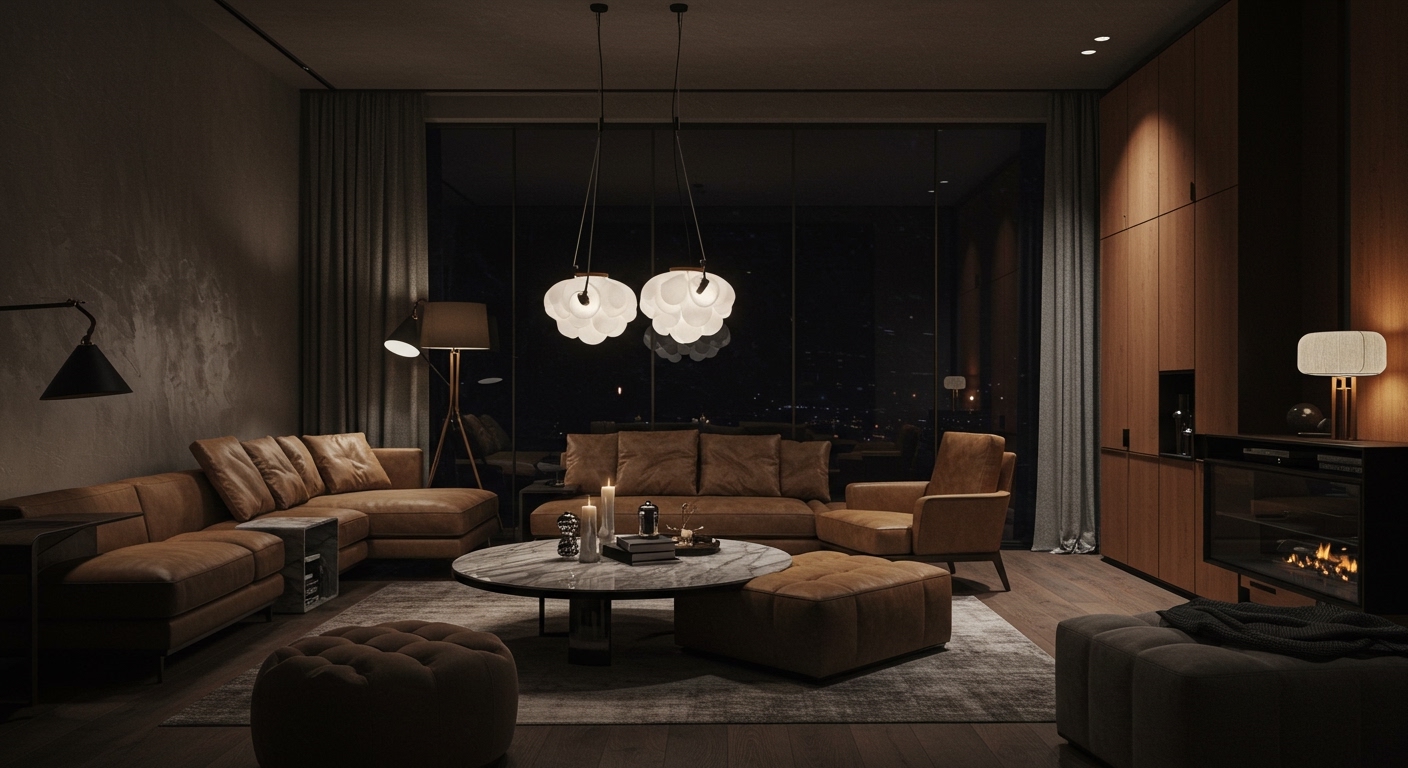
The renovation by Ome Dezin, incorporating iconic furniture from figures like Frank Gehry and Ingo Maurer into a 1990s Hollywood Hills home, further reinforces this shift. Here, the spatial tension arises from placing recognized forms within a new context, asking how these established material presences redefine human flow and interaction within a contemporary setting. The choice of iconic pieces speaks to their inherent tactile quality and enduring design, standing in contrast to the transient appeal of trend-driven items. This is about building a layered material narrative that respects history while shaping future use. By mid-2027, clients will demand far greater transparency about the provenance and fabrication methods of bespoke items in hospitality and high-end residential projects, pushing designers to detail the narrative behind each piece’s materiality and form.
The primary resistance to this trajectory comes from the rapid-cycle content economy, particularly social media platforms that amplify superficial trends. These platforms reward immediate visual gratification and easily consumable aesthetics over the complex, slower processes of material sourcing, custom fabrication, and nuanced spatial design. The focus remains on viral visual moments rather than the sustained tactile or emotional experience.
Interior professionals should immediately begin incorporating specific, traceable material narratives into their client presentations. Instead of merely showing a finish sample, detail its origin, how it is crafted, and its expected tactile evolution over time, connecting these specifics to the desired human flow and spatial tension of the design.
TL;DR
Genuine spatial experience relies on deep material specificity and intentional tactile engagement, not superficial trend-chasing.
Curated References



About this editorial — This piece was developed using AI-assisted research and curation across multiple industry sources. All analysis, opinions, and predictions represent the editorial perspective of JHDD. Sources are linked in the references section above.