JHDD 3D Modeling Report — 2026.08.19
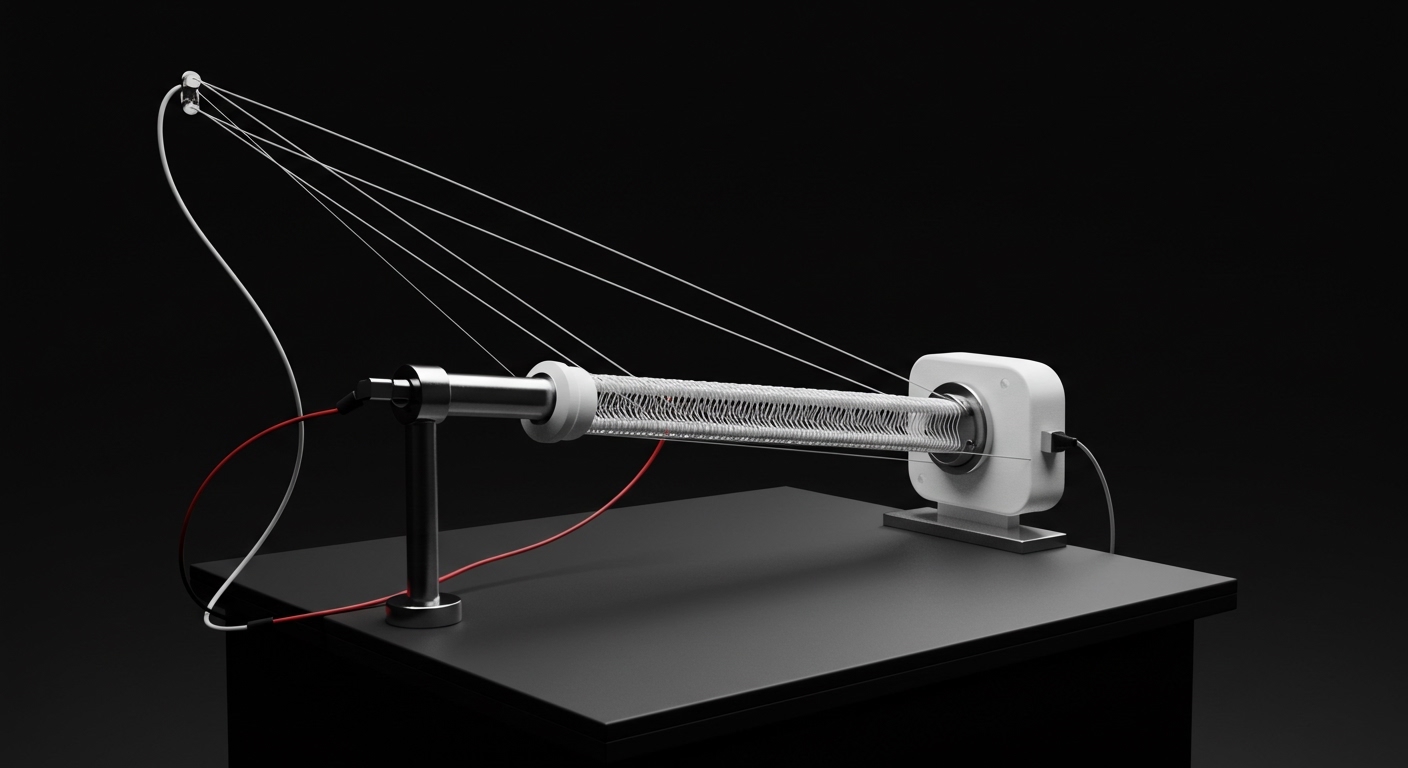
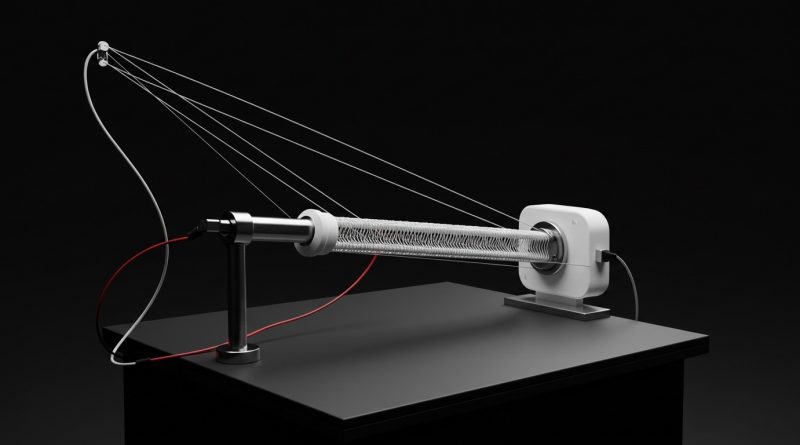
Sakura Rabbit’s impressive Nylon Tension Simulation set up in 3D demonstrates a focused pursuit of granular physical accuracy within virtual constructs.
These reports reveal a shift where advanced computational methods are not solely directed towards raw visual fidelity but are deeply integrated into artistic expression and operational efficiency. The common thread is a sophisticated layering of procedural control, whether to mimic reality or to define entirely new visual languages within 3D spaces, moving beyond simple automation.
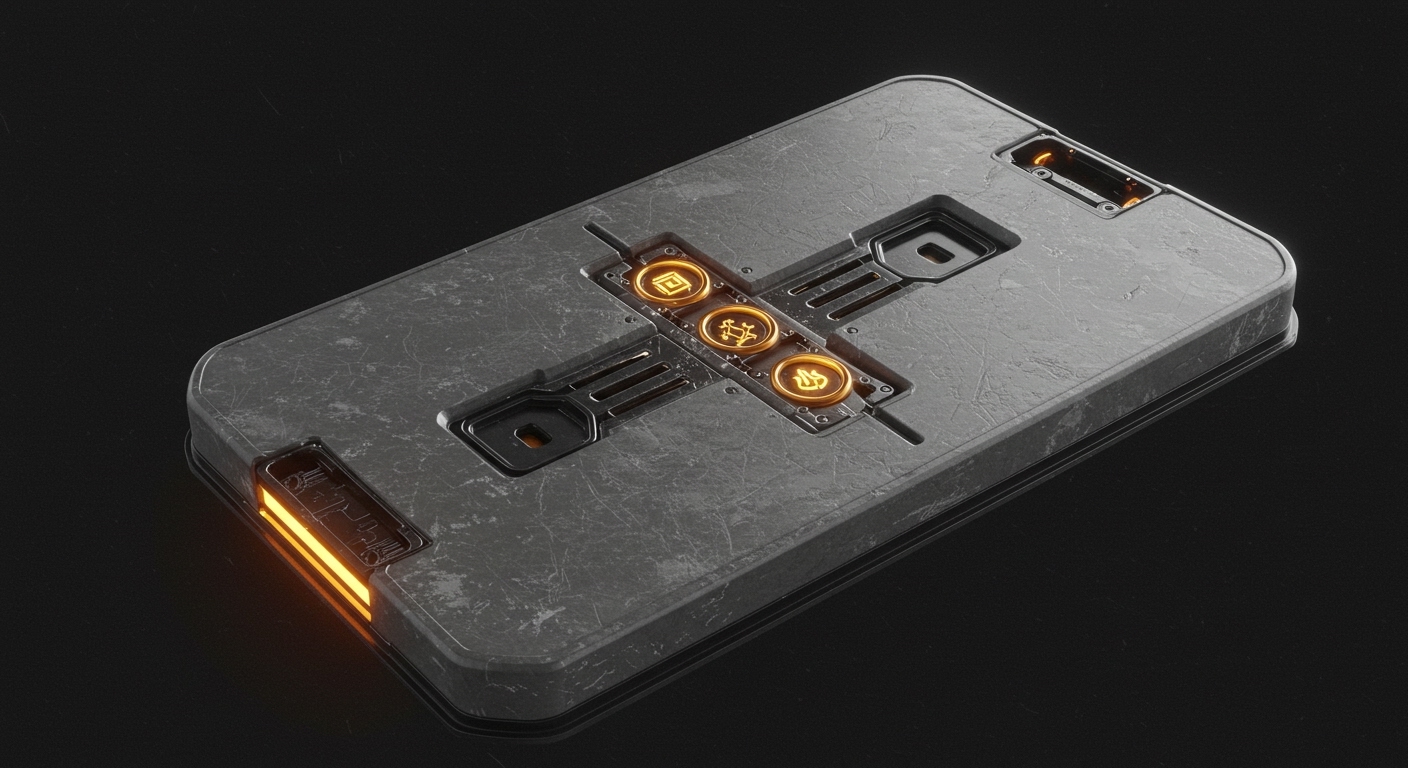
The work of lassyla, specifically the Procedural Blender Shader with its hand-painted look, directly challenges a prevalent industry assumption. Many practitioners still associate procedural generation primarily with the pursuit of hyper-realism or efficient asset replication for generic environments. lassyla demonstrates that node-based systems are potent tools for cultivating highly specific, non-photorealistic artistic styles, effectively democratizing the ability to imbue models with unique visual character without resorting to exhaustive manual texturing or traditional 2D painting workflows. This approach signifies a move beyond proceduralism as merely a tool for speed, elevating it to an instrument of distinct aesthetic authorship.
This development suggests that the next wave of innovation will not be solely about increasing polygon counts or perfecting global illumination for maximum realism. Instead, it will pivot towards accessible, sophisticated procedural frameworks that allow artists to encode stylistic intent directly into their material definitions. Mainstream opinion often views hyper-realism as the pinnacle of 3D advancement, overlooking the nuanced power of procedural stylization. By mid-2027, advanced procedural shading techniques will be integrated into game engine and DCC software toolkits as fundamental art direction components, enabling rapid iteration of unique, non-photorealistic visual styles at scale, rather than remaining niche tutorials or custom scripts.
The primary resistance to this paradigm shift comes from established production pipelines heavily reliant on dedicated texture painting departments and the market’s long-standing demand for physically accurate rendering as a benchmark for graphical fidelity in high-end productions. Investing in a new procedural artistry workflow requires significant retraining and a re-evaluation of creative roles, which can face internal inertia within larger studios.
A 3D modeling professional should dedicate time this week to reverse-engineer a recognizable artistic style, such as pointillism or linocut, into a fully procedural shader, aiming to control all major visual characteristics including color, line, texture, and depth perception through nodes alone, independent of baked image textures.
TL;DR
Advanced procedural tools are evolving to enable precise artistic styling, challenging the industry’s default pursuit of hyper-realism.
Curated References
About this editorial — This piece was developed using AI-assisted research and curation across multiple industry sources. All analysis, opinions, and predictions represent the editorial perspective of JHDD. Sources are linked in the references section above.