JHDD Architecture Report — 2026.08.19
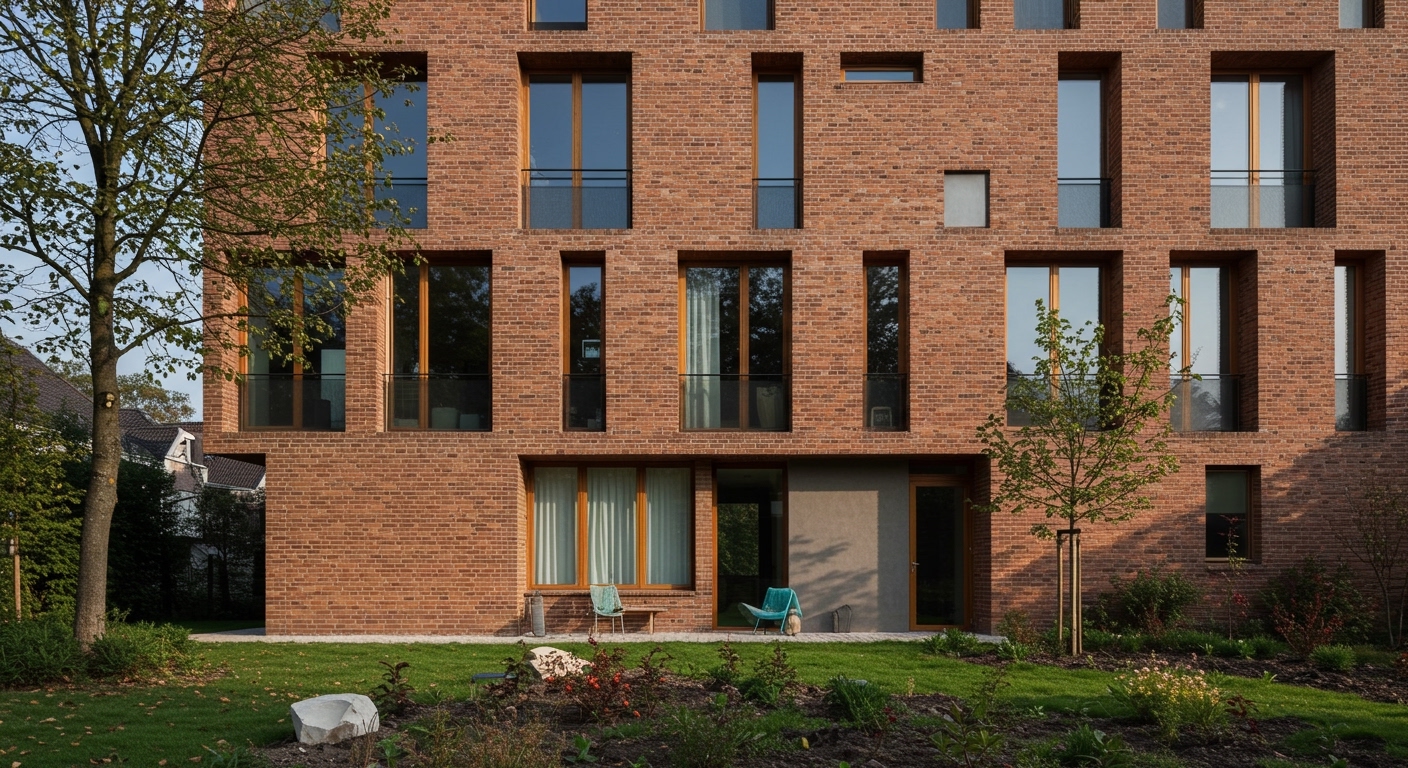
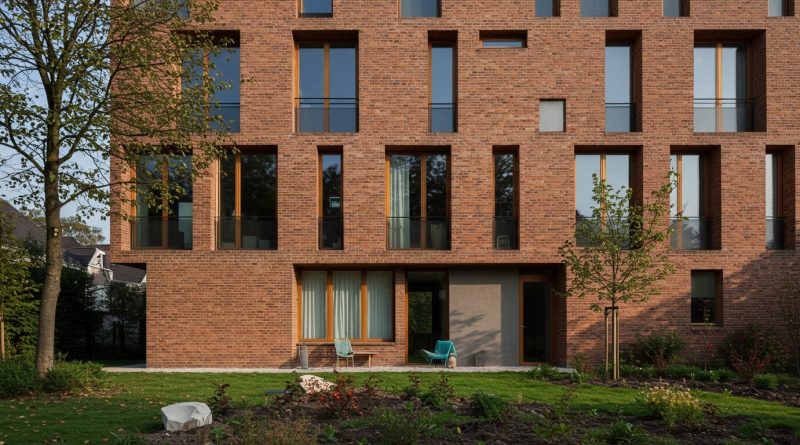
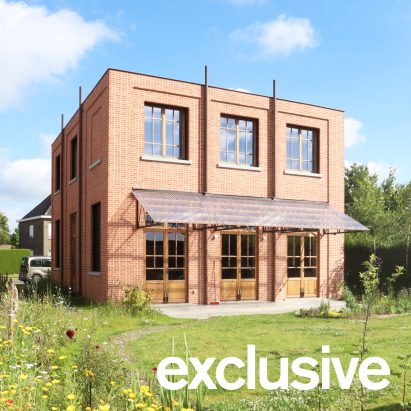
Atelier Vens Vanbelle’s Project Tomas & Katrien, a cubic brick home in Belgium, explicitly references industrial buildings with its appearance.
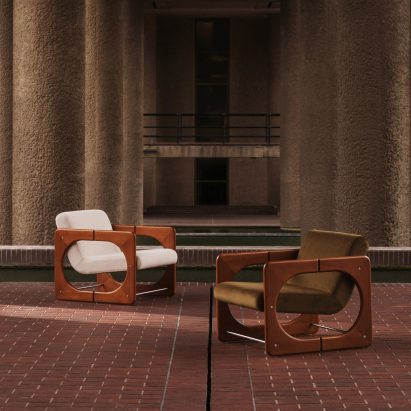
This design impulse, along with the Barbican and Made.com collection translating brutalist architectural language into homeware, and Bard Yersin Architectes’ intelligent adaptation of a 1930s farmhouse, highlights an industry exploring the material and aesthetic legacies of existing structures. The pattern suggests a collective engagement with material identity that ranges from overt aesthetic referencing to deep structural re-engagement, rather than a universal commitment to understanding inherent material logic.
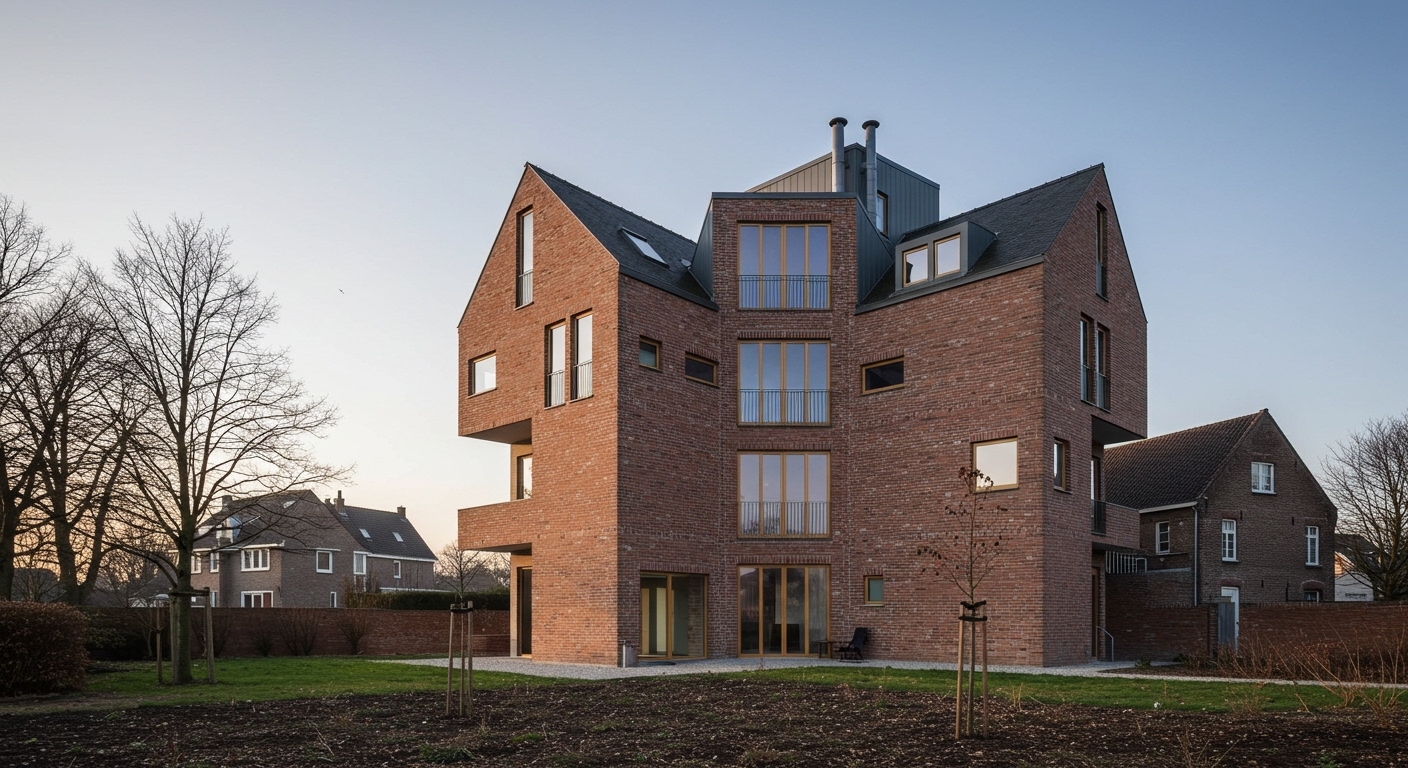
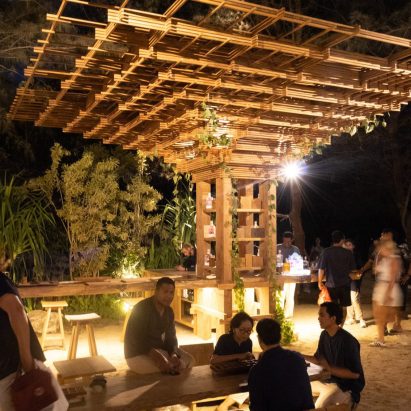
Mainstream architectural discourse frequently celebrates novel material innovations, such as the rice husk and salt brick pavilions showcased at Jia Curated 2026, as the primary pathway to sustainability. This view often overlooks the profound potential embedded in existing structural typologies. Bard Yersin Architectes’ project, “Inhabiting the Stable,” exemplifies a counter-narrative; its material innovation is not about introducing new composites, but about rigorously understanding the “single, generous roof” and the three structural bays of an existing 1930s farmhouse. This approach demonstrates a deep material honesty by working within the constraints and intelligence of an established structural system, extending its utility rather than replacing it. It challenges the assumption that cutting-edge material science is always superior to the wisdom of heritage construction.
The pervasive cultural fascination with applying architectural “styles” or material appearances, as seen with the Made.com collaboration translating Barbican brutalism into homeware, risks a superficial engagement with design. Such translation prioritizes a recognizable aesthetic over the structural and environmental performance embedded in the original designs. This emphasis on surface aesthetic frequently bypasses crucial considerations of lifecycle impact and inherent material integrity. By mid-2028, a significant portion of industry discourse will shift from celebrating novel material invention to rigorously analyzing the lifecycle impact and inherent structural integrity of reused and locally sourced traditional materials. This will drive a demand for architects who can demonstrate proficiency in material decomposition and reassembly, rather than just specification of new products.
The primary force resisting this shift is the entrenched infrastructure of globalized material manufacturing and construction technologies. These systems prioritize the efficiency of producing and deploying new, standardized materials, often making adaptive reuse or the deep understanding of local, traditional material cultures economically or logistically challenging.
An architecture professional should conduct a detailed material audit of a common local building typology, identifying its embedded energy and potential for structural adaptation without significant new material input.
TL;DR
Design intelligence must prioritize the structural honesty and adaptive reuse of existing material cultures over superficial aesthetic appropriation.
Curated References

About this editorial — This piece was developed using AI-assisted research and curation across multiple industry sources. All analysis, opinions, and predictions represent the editorial perspective of JHDD. Sources are linked in the references section above.