Julian’s Packaging Insight — 2026.05.31

The most potent packaging is not seen, but felt.
In a saturated marketplace, the unboxing experience has transcended fleeting novelty to become a critical touchpoint, shaping consumer perception and brand loyalty. Consumers now seek not just a product, but an immersive encounter, where sustainable materials are no longer an ethical afterthought but a core component of desirability, and shelf impact is dictated by a visual language that speaks directly to emotion and identity. This is the domain of tactile branding, where the very texture, weight, and form of packaging communicate nuanced messages, transforming a simple purchase into a memorable event, a whispered conversation between brand and beholder.
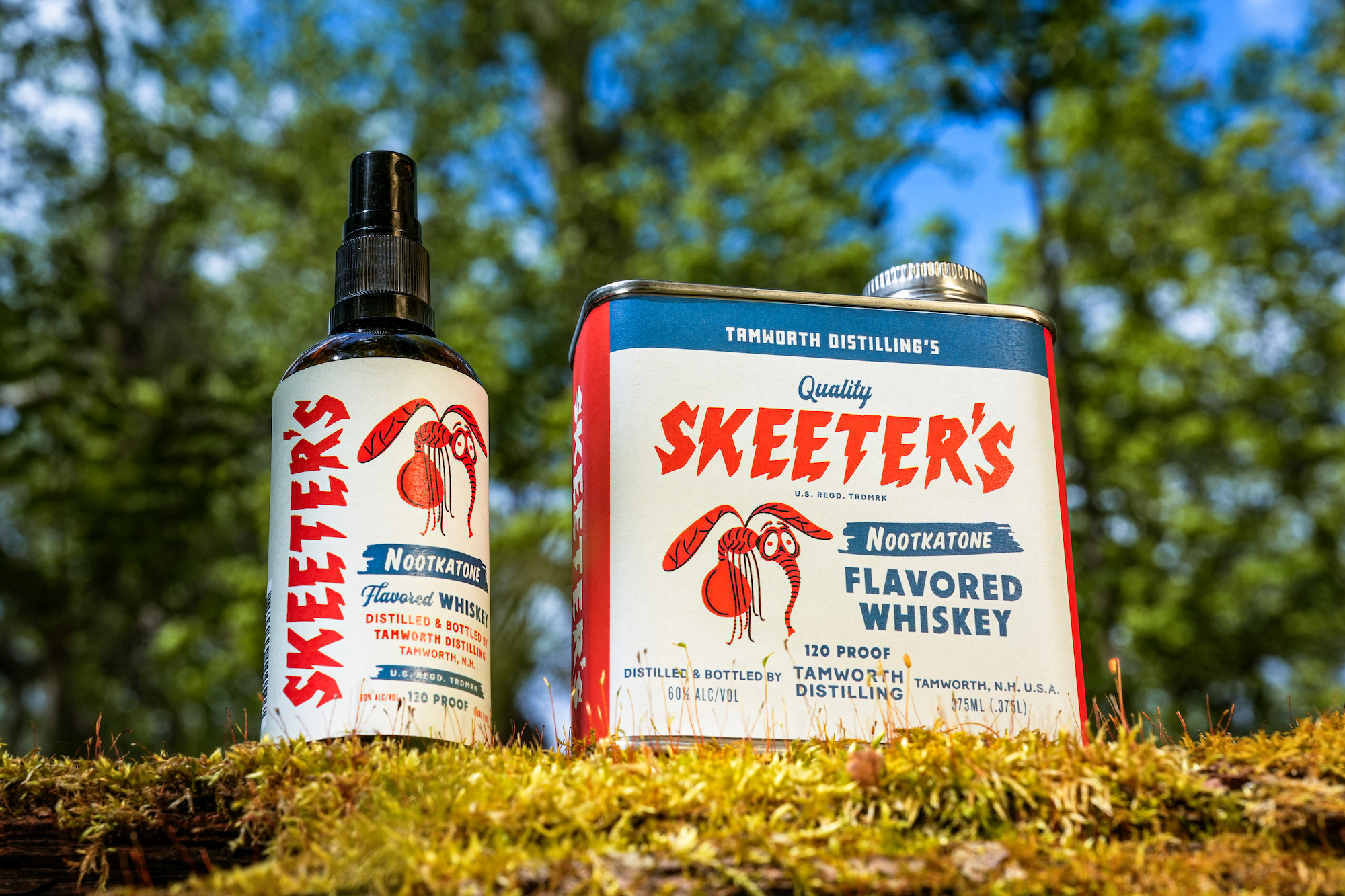
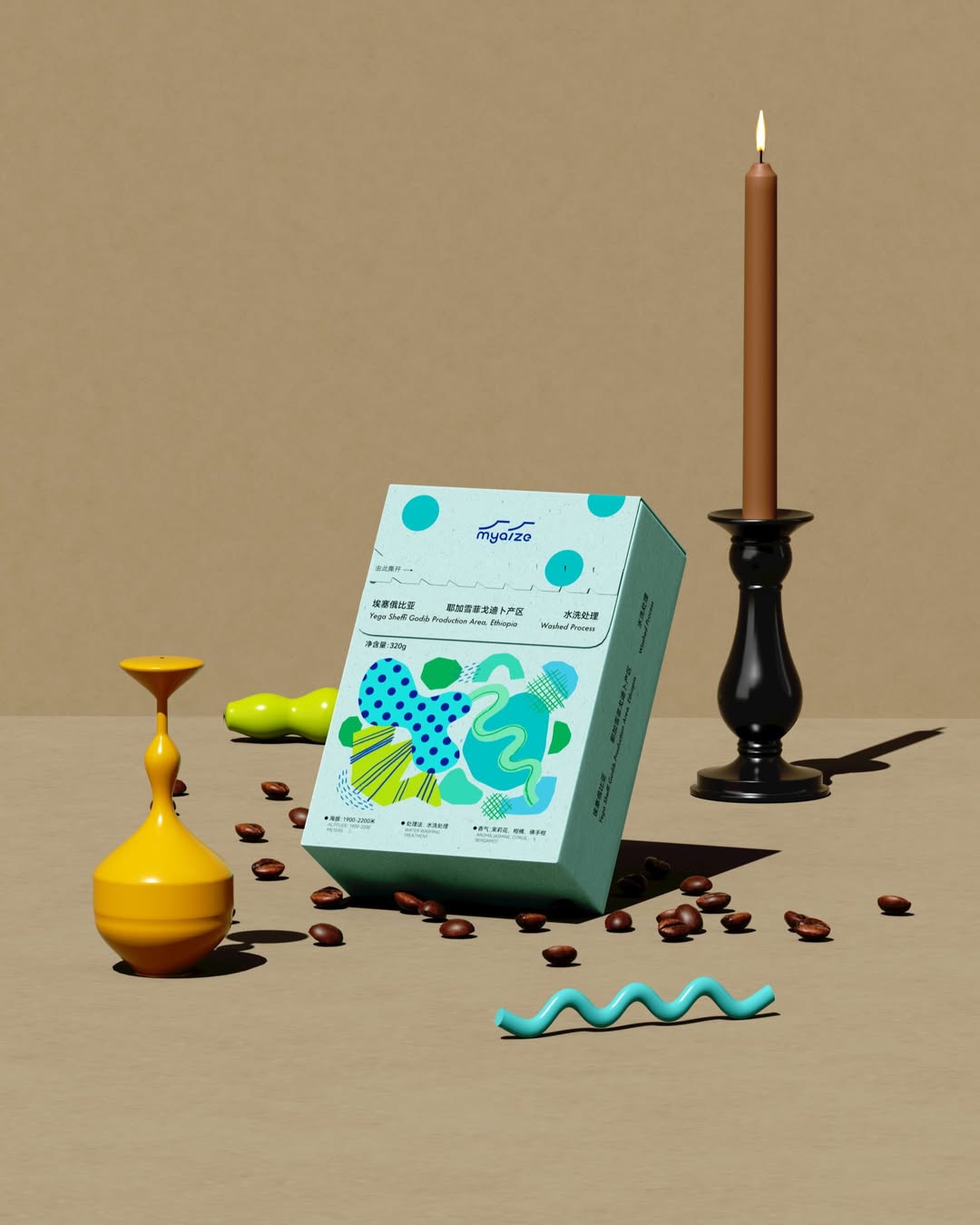
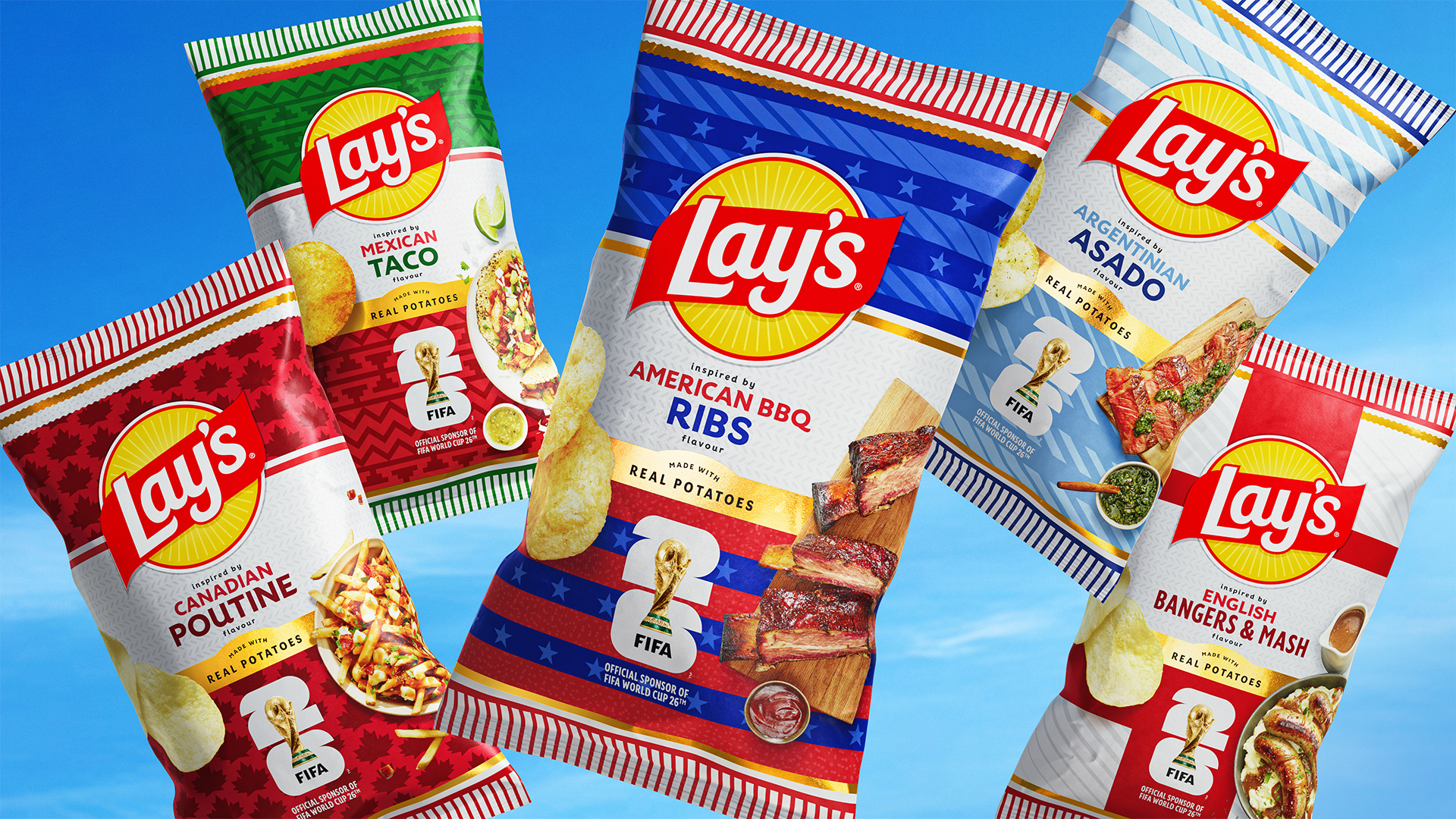
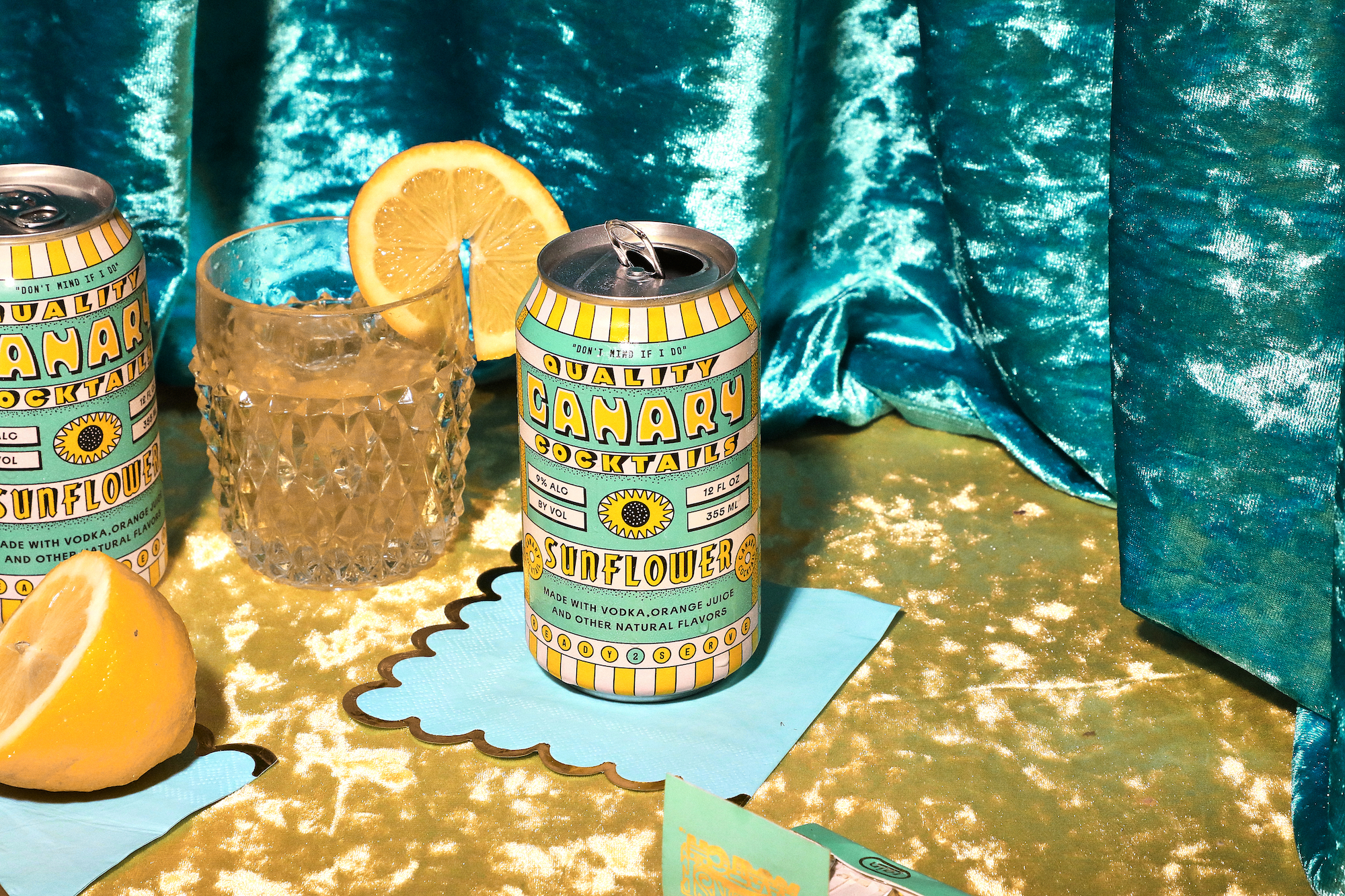
Recent dispatches reveal a seismic shift in packaging design, moving decisively away from sterile minimalism and predictable eco-chic. Myarze’s coffee, embracing a bold, cigarette-pack-inspired aesthetic with Memphis-infused abstraction, signals a return to unapologetic visual personality, eschewing the ubiquitous brown paper for a riot of color and collectible object confidence. Similarly, Lay’s World Cup chip bags, ingeniously reinterpreting soccer scarf culture into country-coded designs, demonstrate a sophisticated understanding of cultural iconography, making a product collaboration feel authentic and deeply considered, rather than a mere marketing exercise. Tamworth Distilling’s Skeeter’s Nootkatone Flavored Whiskey, with its retro Americana charm and functional dual purpose as an insect repellent, exemplifies a growing trend towards packaging that not only protects and informs but actively enhances the consumer’s lifestyle and social rituals. These examples, alongside Canary Cocktails’ daring “unholy union of art deco and alien folk art” for its RTD beverages, suggest a rejection of homogenous design in favor of bold, personality-driven narratives.
The tension lies in the perceived opposition between sustainability and unapologetic visual flair. For too long, “eco-friendly” packaging was synonymous with muted tones, recycled textures, and a certain austere, guilt-ridden aesthetic. The news items illustrate a potent divergence from this paradigm. Brands are discovering that sustainability can be the bedrock upon which vibrant, playful, and even indulgent visual identities are built. The contradiction is this: how can packaging be both environmentally responsible and exude an avant-garde, conversation-starting charisma that actively drives desire? The answer, it appears, is through a renewed emphasis on craft, storytelling, and materials that, while sustainable, also offer unexpected tactile and visual delights.
By 2028, the most coveted sustainable packaging will be characterized by integrated, multi-sensory storytelling, where the packaging itself becomes an interactive artifact, blurring the lines between product and experience.
TL;DR
Packaging’s future is tactile, visually audacious, and intrinsically sustainable, offering immersive experiences beyond mere containment.