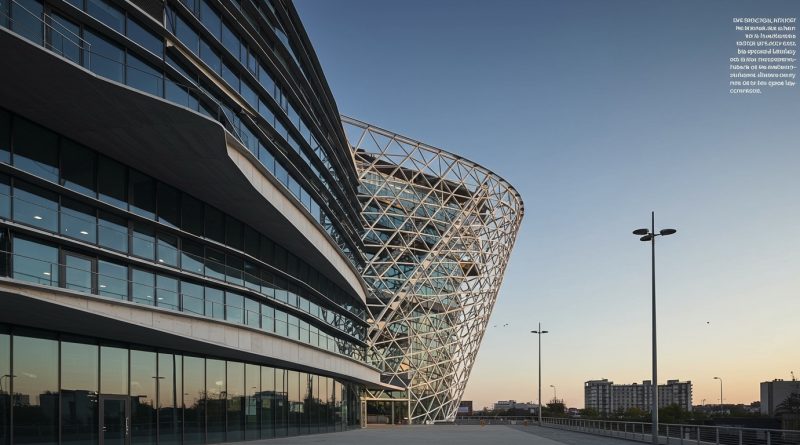
JHDD Architecture Report — 2026.06.06
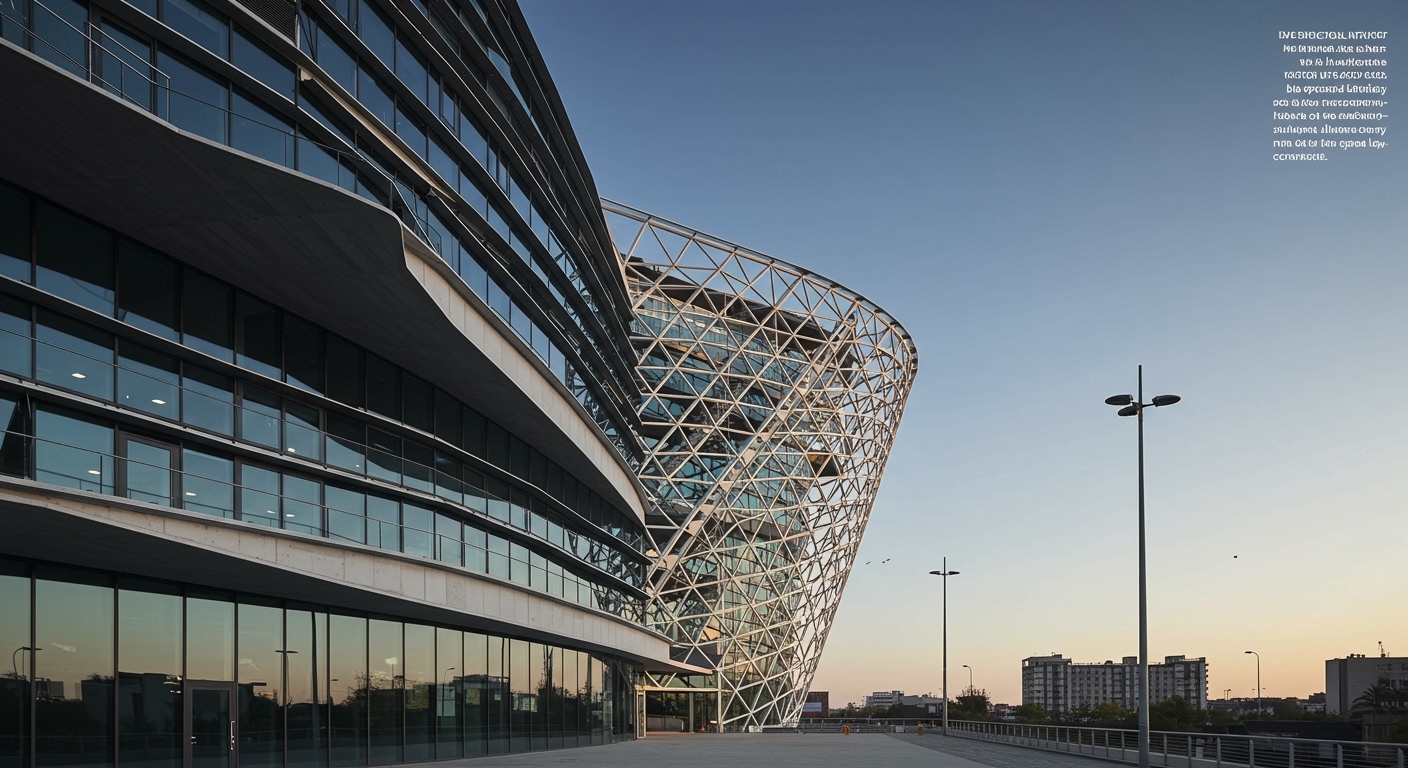
The structural integrity of a building is no longer solely a matter of physics, but a statement of ecological intent.
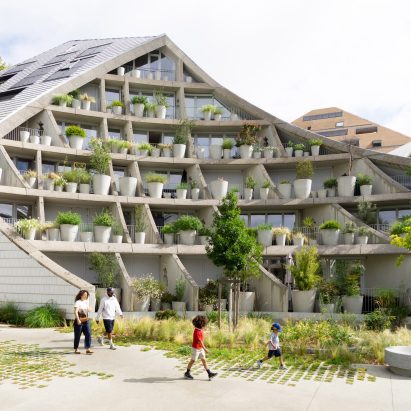
A subtle but powerful convergence is occurring, a quiet revolution in how built environments are conceived and manifested, driven by a fundamental re-evaluation of materiality and its inherent consequences. This isn’t just about sustainability as a passive checklist item; it’s an active embrace of biological processes and a re-engagement with the Earth as a generative partner, not just a resource to be mined and expelled. The fragmentation of historical typologies, seen in the “spatial purification” of the Harmónia house, is meeting a new generation of bio-integrated materials like Biomason’s Mimmik Tile. This pairing points to a burgeoning architectural philosophy that seeks to excavate inherent structural truths while simultaneously embedding regenerative systems. The MVRDV housing, with its playful, almost anthropomorphic integration of landscape, further illustrates this shift, moving beyond mere functionality to express a deeper connection with the urban organism. Even the ephemeral and the experimental, like JR’s wind-battered installation, underscore the fragility of conventional interventions and the growing desire for structures that can adapt, or at least fail with greater grace. The underlying force is not a trend, but an evolving dialectic between the engineered and the grown, demanding a more nuanced understanding of “embodied energy” that extends to the lifecycle and ecological impact of every component.
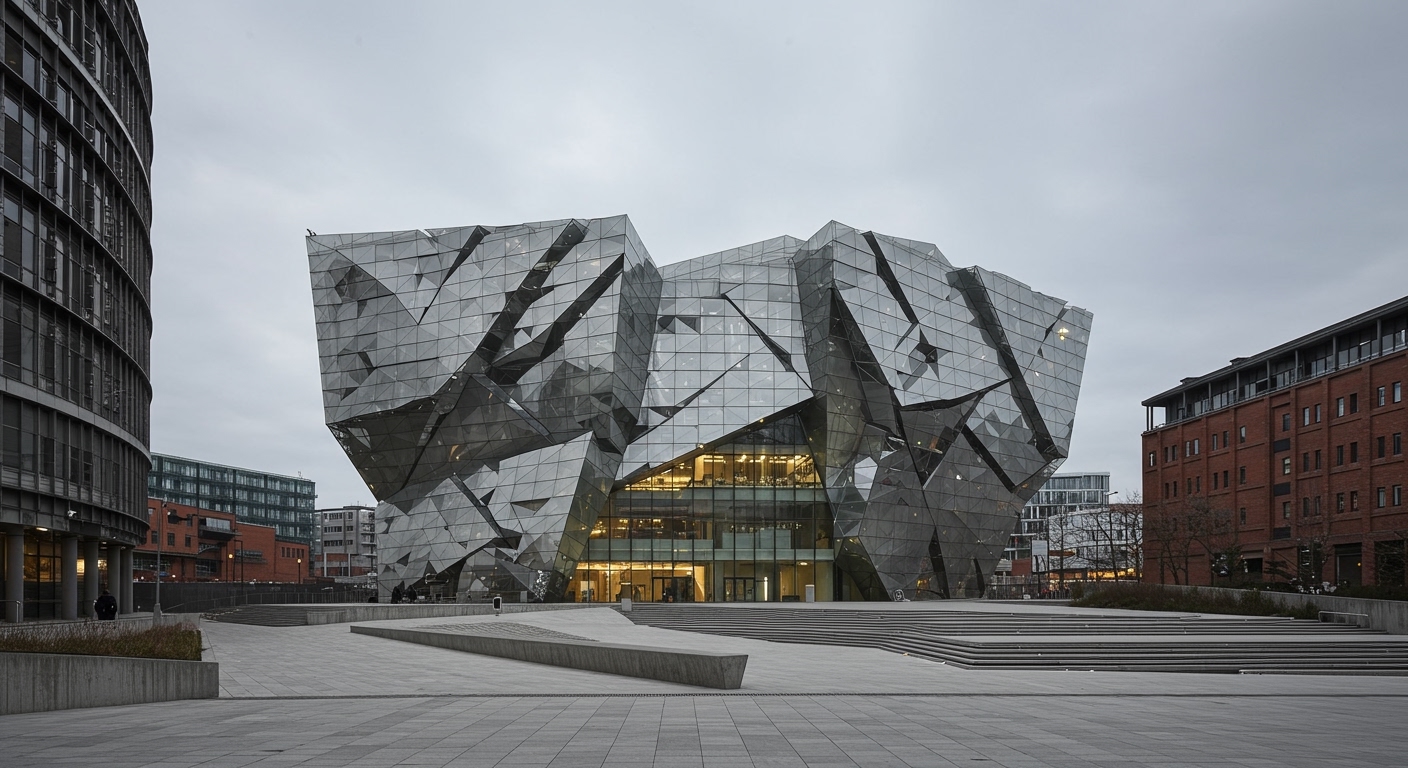
Beneath the surface of individual projects and product launches, a profound redefinition of “performance” in architecture is underway. We are moving beyond the narrow metric of structural load-bearing and thermal efficiency to a broader understanding that encompasses ecological restoration, carbon sequestration, and symbiotic integration with natural systems. The Mimmik Tile by Front and Biomason, with its bacteria-strengthened composition, is not merely a low-carbon alternative; it represents a fundamental shift in material epistemology, suggesting that construction can actively contribute to ecological health rather than detract from it. This challenges the long-held industry dogma that equates durability with inertness and permanence with artificiality. Conventional wisdom often dictates a preference for engineered materials that offer predictable, quantifiable performance over extended periods. However, this perspective frequently overlooks the immense environmental cost of their extraction, production, and disposal. The Manchester School of Architecture’s student projects, particularly those responding to urban pressures and resource scarcity, signal a generational demand for designs that are not just resilient, but inherently restorative. By late 2026, expect to see a significant increase in material specifications that prioritize bio-integration and lifecycle regeneration, moving beyond LEED points to demonstrable positive ecological impact.
The resistance to this profound shift is most acutely felt in the inertia of established supply chains and the pervasive fear of the unquantifiable. Conventional construction, deeply entrenched in its reliance on high-energy, high-impact materials like Portland cement and steel, is inherently resistant to radical material innovation. The specification process itself, driven by risk aversion and a reliance on decades of tested performance data for conventional materials, acts as a significant brake. The very notion of using “living” materials, or materials whose performance characteristics might evolve with environmental conditions, is seen as a departure from the control and predictability that has defined architectural practice for generations. This tension highlights a critical juncture: will the industry adapt to embrace bio-integration and circularity, or will it be forced to reckon with the increasingly undeniable environmental consequences of its current practices, a reckoning potentially amplified by the very natural forces that JR’s installation so dramatically illustrated?
For a working Architecture professional, the immediate takeaway is to actively explore and pilot materials that demonstrate regenerative potential, even in small applications. This means moving beyond the comfort zone of familiar catalogues and engaging directly with emerging material science and biotechnology firms. It involves understanding not just a material’s embodied carbon but its entire ecological lifecycle – from sourcing to decomposition or reintegration. This week, a practitioner can begin by dedicating one hour to researching a single bio-integrated material system, understanding its manufacturing process, its environmental benefits beyond carbon reduction, and its potential applications within an upcoming project, regardless of scale.
The future of construction is not about building more, but about growing and regenerating.
Curated References



About this editorial — This piece was developed using AI-assisted research and curation across multiple industry sources. All analysis, opinions, and predictions represent the editorial perspective of JHDD. Sources are linked in the references section above.