
JHDD Branding Report — 2026.06.06

The brief is the last thing keeping agencies alive.
A connective thread across diverse design applications – from smash burgers to art museums and theatrical bars – is the recalibration of the “designed object” from a static artifact to a dynamic cultural interface. This isn’t merely about aesthetics or functionality; it’s about a nuanced understanding of how a brand’s visual and experiential identity actively participates in, and shapes, cultural discourse. The underlying force is the rise of the “Performative Brand,” where visual identity systems are no longer just about recognition, but about active cultural engagement and the generation of ongoing meaning.
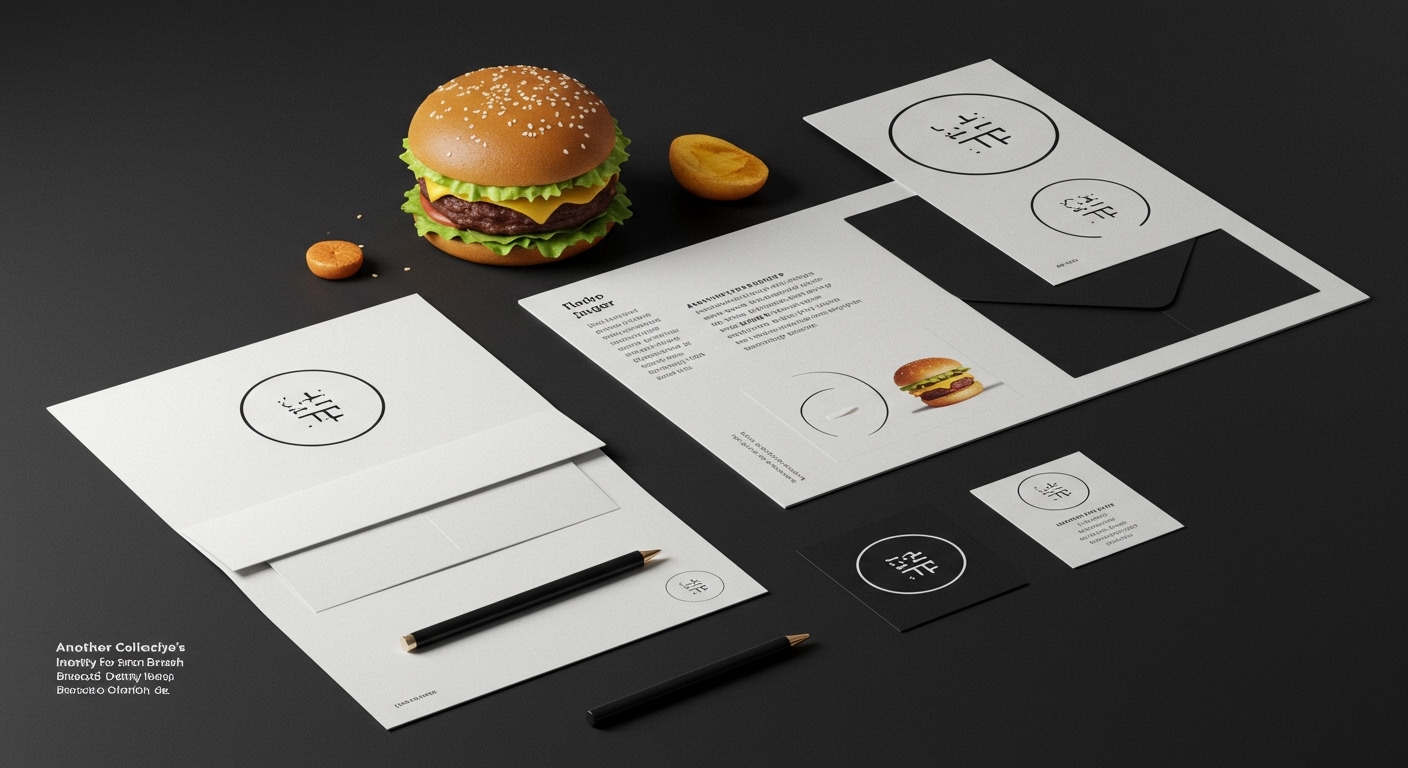
This shift implies a profound change in how brand equity is built and perceived. Traditional brand equity was often tethered to consistent, immutable visual language and predictable messaging. However, we are now witnessing brands that thrive by deliberately introducing friction, ambiguity, and even a degree of performance art into their identities. Take, for instance, the work of Pentagram. While many agencies still chase the fleeting trend of “minimalism” or “expressive illustration,” Pentagram, through projects like their ongoing work with The New York Times, demonstrates a mastery of evolving a deeply established visual system while maintaining core recognition. They understand that the identity isn’t just a logo; it’s a flexible framework for storytelling and cultural commentary. The “performative” aspect lies in how this system can be deployed contextually, adapting to new narratives and engaging with contemporary issues. This contrasts sharply with the prevailing industry belief that a strong brand identity must be rigidly uniform to be effective. The reality, as evidenced by brands successfully navigating cultural shifts, is that adaptive systems build deeper, more resilient equity. My prediction is that by late 2025, a significant percentage of newly launched visual identity systems for challenger brands will intentionally incorporate elements of controlled dissonance, designed to provoke conversation and signal cultural relevance, rather than relying on immediate, effortless recognition.
The friction in this paradigm lies with the inherent human and organizational desire for clarity, predictability, and control. Many clients, particularly those in more established industries, still operate under the assumption that a brand identity’s primary role is to reduce cognitive load and offer immediate reassurance. This makes them resistant to approaches that might introduce ambiguity or require active interpretation. The tension between a brand’s need to be both instantly recognizable and dynamically engaging is palpable. This friction reveals that the true challenge isn’t just creating an interesting visual identity, but educating stakeholders on the long-term strategic benefits of brand systems that are designed to evolve and participate in culture, rather than simply exist within it.
A working Branding professional should, therefore, re-evaluate their definition of “consistency.” Instead of focusing solely on the static application of a visual mark or a prescribed color palette, they must prioritize the consistency of intent and strategic agility within the brand’s visual identity system. This means building frameworks that allow for deliberate evolution and cultural responsiveness, rather than rigidly adhering to a fixed aesthetic.
TL;DR
Brand equity is now built through adaptive cultural interfaces, not static visual uniformity.
Curated References
About this editorial — This piece was developed using AI-assisted research and curation across multiple industry sources. All analysis, opinions, and predictions represent the editorial perspective of JHDD. Sources are linked in the references section above.