Julian’s Typography Insight — 2026.06.05
The very letters we dismiss as mere tools are actively shaping our moral compass.
In an era saturated with visual noise, typography stands as both a bulwark against confusion and a potent vehicle for dissent. The persistent focus on legibility, ensuring clear communication across increasingly diverse platforms and audiences, remains paramount. Yet, simultaneously, a vibrant undercurrent of experimental letterforms challenges traditional notions of readability, pushing the boundaries of what type can communicate conceptually. This dialectic plays out against the rigid scaffold of grid systems, now more flexible than ever, and the nuanced world of micro-typography, where seemingly insignificant adjustments in spacing and weight can profoundly alter perception and emotional resonance. The convergence of these forces—functional clarity and conceptual expression—makes the current moment a critical juncture for typographic practice.
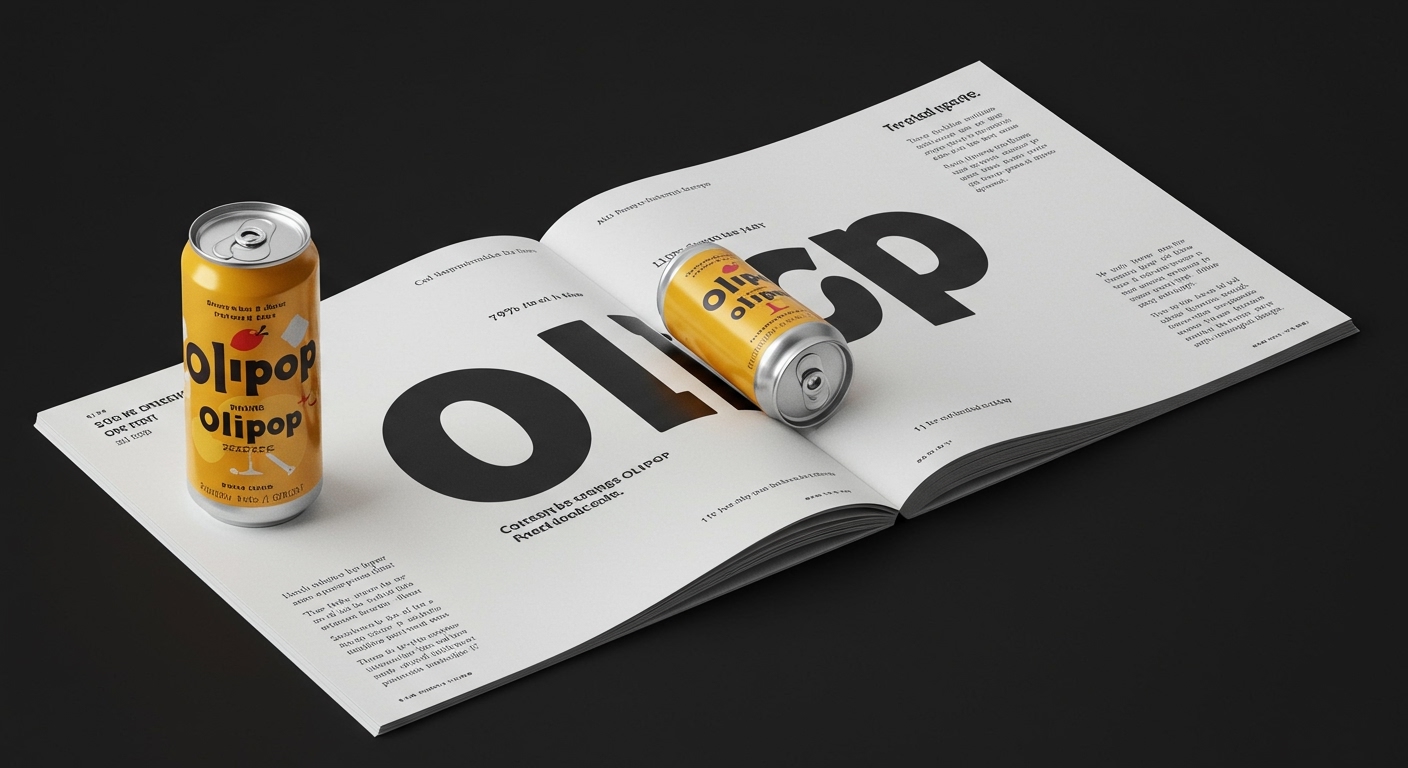
The recent flurry of design activity reveals a sector grappling with its role in a fractured world. Collins’ redesign for Olipop, aiming to reconcile “delicious” with “good for you,” exemplifies a trend towards typography that not only informs but actively persuades by embodying brand values, creating a sensory and ethical proposition. Meanwhile, an Iranian designer’s work, explicitly aiming to create a “visual warning,” highlights typography’s capacity for protest and social commentary, directly confronting established narratives and power structures. This dual impulse—to brand with sincerity and to challenge with conviction—suggests a broader engagement with how type functions beyond mere aesthetics; it is becoming a declarative act. The call for designers to “build the inspiration you’re waiting for” further underscores this shift, moving away from passive reception of trends towards an active creation of meaning, often born from personal experience and a willingness to embrace imperfection, a philosophy that can be powerfully articulated through innovative typography.
The inherent tension lies between the commodifying impulse of branding and the urgent need for authentic, critical expression. While brands like Olipop leverage typography to construct aspirational identities and promote a positive, albeit commercial, worldview, artists and designers like the Iranian practitioner and Alexandra Grant employ letterforms as tools for dissection and critique. Grant’s engagement with the timeless narrative of Antigone, exploring themes of obligation, resistance, law, and conscience, provides a conceptual framework for understanding how type can interrogate moral complexities and societal structures. The seemingly innocuous game of Monopoly, now a venerable ninety years old, serves as a surprising proxy for discussions on power, wealth, and aspiration, a subject matter that could easily be explored and subverted through typographic treatments. This dichotomy pits the desire to aesthetically package reality for consumption against the imperative to visually dismantle and re-examine it.
Within the next five years, we will witness the emergence of sophisticated, AI-assisted typographic tools that allow for the dynamic generation of entirely novel letterforms on demand, tailored not just to brand aesthetics but to specific emotional and cognitive states of the user, creating personalized perceptual experiences that blur the lines between information, art, and therapy.
TL;DR
Typography is evolving from a tool of communication to a powerful medium of cultural and personal declaration, balancing commercial aspirations with urgent calls for critical engagement.