
Julian’s Branding Insight — 2026.06.05
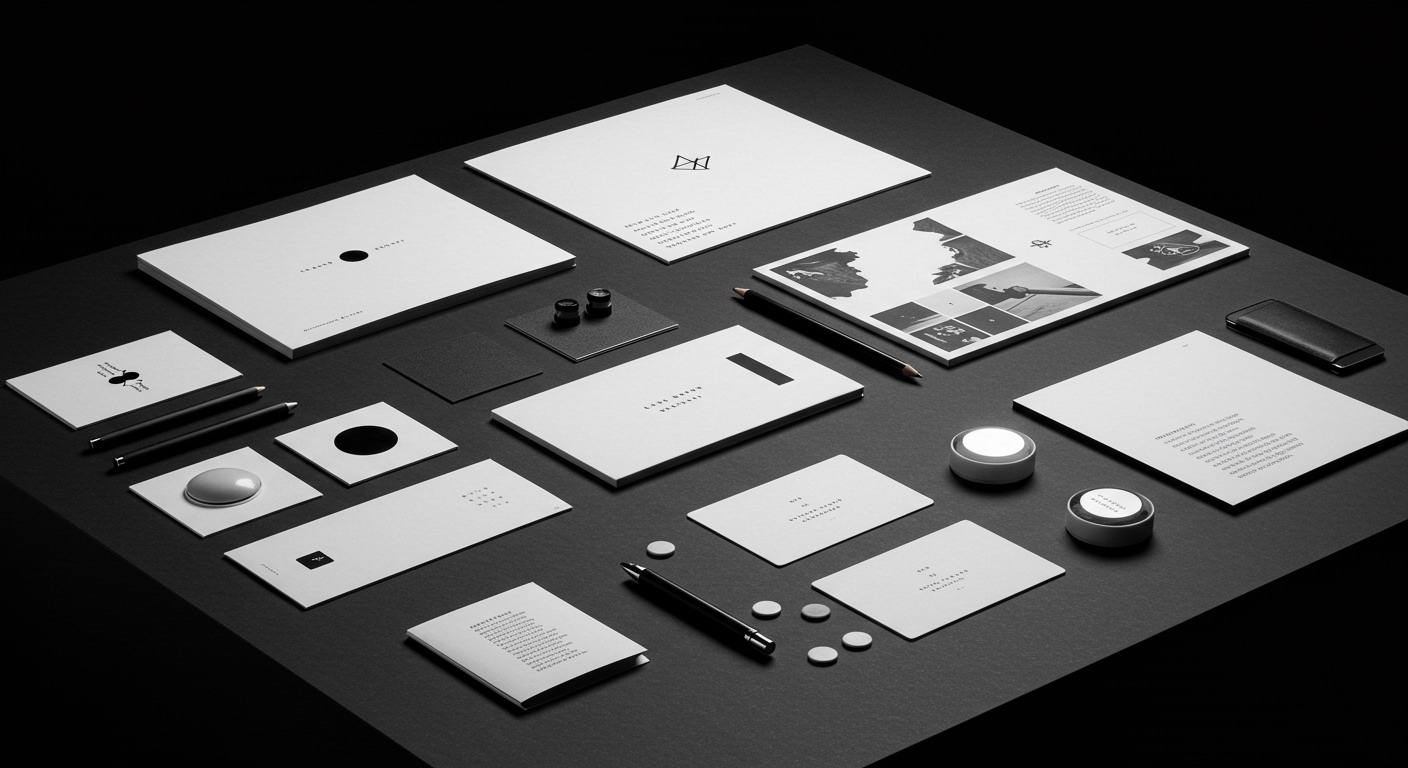
In an era of seismic cultural shifts, brands are discovering that true resonance lies not in shouting, but in whispered reinvention.
The current landscape of brand identity development is undergoing a profound recalibration. It’s no longer enough for visual design to merely adorn a product or service; it must now act as a critical signifier of cultural positioning and a strategic engine for brand equity. In a hyper-connected world awash with fleeting trends and increasingly discerning consumers, a brand’s visual identity system is the silent architect of perception, shaping how it is understood, valued, and ultimately integrated into the fabric of everyday life. The recent work showcased by Another Collective for Brusco, Koto for The Norton, and OlssønBarbieri for Theaterbaren demonstrates a decisive move away from superficial aesthetics towards a deeper engagement with narrative and context, positioning these brands not just as providers of goods or experiences, but as cultural touchstones.
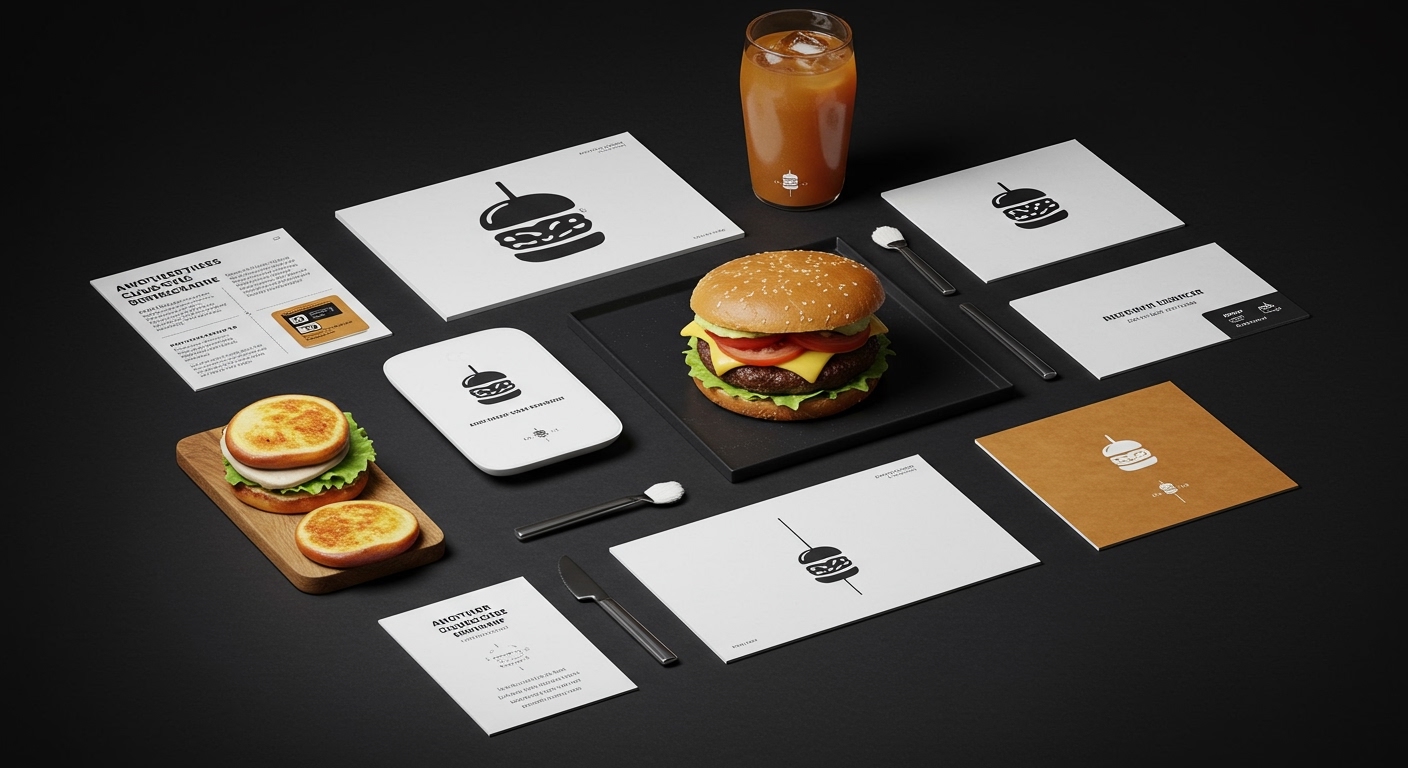
What emerges from these disparate projects is a clear narrative of intentional subversion and a sophisticated embrace of nuance. Another Collective’s work for Brusco, for instance, expertly navigates the often-trodden path of classic burger joint design tropes. Instead of falling into nostalgic clichés, the identity deftly reinvents these elements, suggesting a contemporary understanding of comfort and familiarity. This isn’t just about appealing to a past aesthetic; it’s about capturing the zeitgeist of what a modern, approachable food experience feels like. Similarly, Koto’s revitalisation of The Norton Museum of Art’s brand underscores the institution’s foundational premise that “art and life meet as a part of everyday art.” The new identity facilitates this integration, moving beyond the sterile confines of a traditional gallery to position the museum as a dynamic, accessible cultural hub. OlssønBarbieri’s identity for Theaterbaren, meanwhile, challenges conventional notions of formality within a theatrical setting. By infusing the brand with a melodrama-infused sensibility, they’ve crafted an experience that is both sophisticated and dramatically engaging, rewriting the rules of how a performance space can present itself. This is a clear departure from generic, corporate-feeling designs, signaling a return to brands that are unafraid to express a distinct personality.
The underlying tension, however, lies in the delicate balance between accessibility and exclusivity. As brands strive to become more culturally relevant and deeply embedded in consumers’ lives, they risk alienating audiences if their identity becomes too niche or overly complex. This is a tightrope walk between cultivating a unique, recognizable voice and ensuring that voice is welcoming to a broad spectrum of individuals. The success of these projects hinges on their ability to create a sense of belonging, even while offering something distinctly new. Lisa Cain’s observations on Studio Bland’s work for Bu Deli butter and Beta Design’s Fussy hand soap touch upon this; the former highlights how clarity and visual cues can enhance user experience, while the latter points to how friction – or a lack thereof – can define the perceived value and desirability of a product. Friction, in branding, can be a deliberate tool to build anticipation and reinforce a narrative of craftsmanship or conscious consumption, but it can also be a barrier to entry.
Looking ahead, brands will increasingly leverage their visual identity systems not just to communicate who they are, but to actively participate in cultural conversations. Expect to see more brand identities that are not static logos, but dynamic, evolving platforms capable of responding to societal shifts and emerging trends, becoming living entities that foster genuine connection rather than passive consumption.
TL;DR
Brands are now defined by their cultural resonance, moving beyond superficial aesthetics to build deep equity through nuanced, context-driven identities.