Julian’s Architecture Insight — 2026.06.05
Architecture is failing to reckon with its own monumental ego.
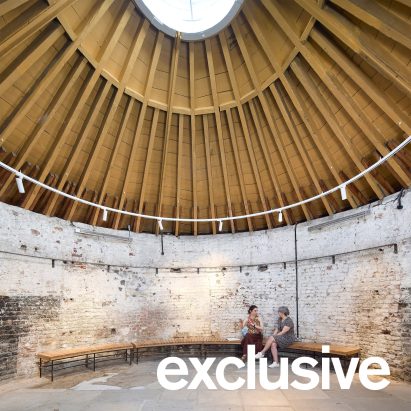
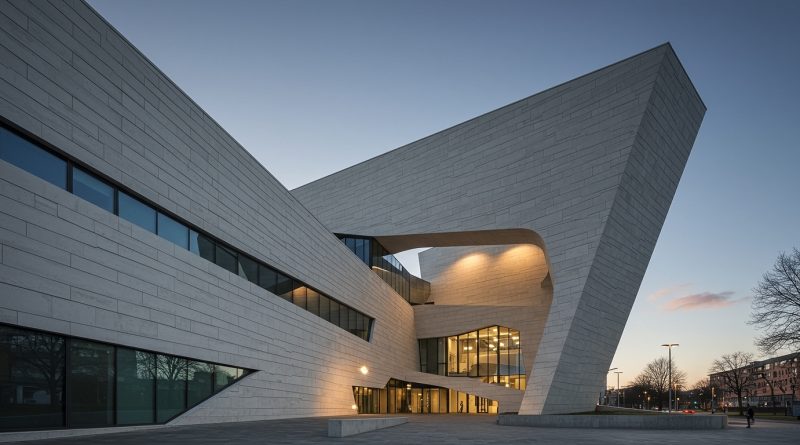
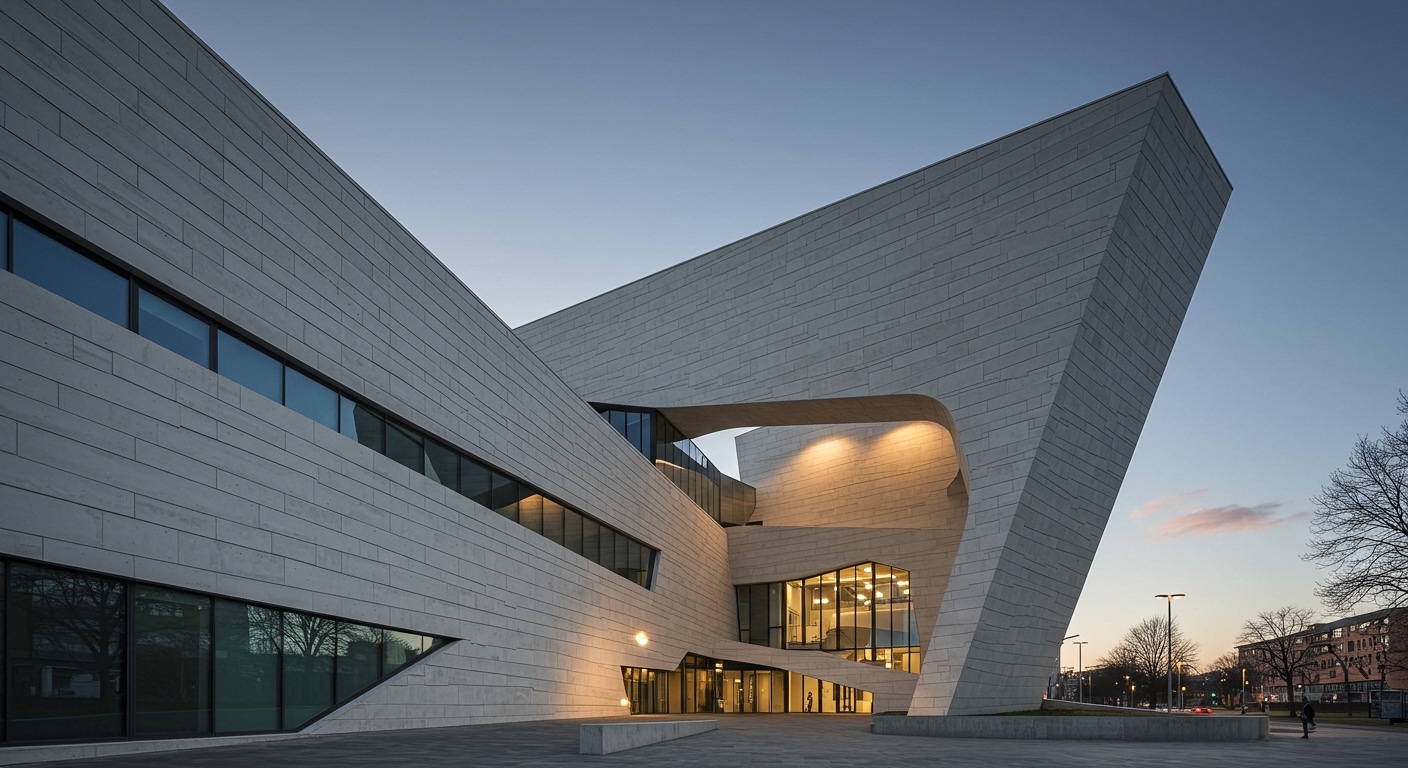
The recent unveiling of Tod Williams Billie Tsien Architects’ Obama Presidential Center, a granite-clad monolith intended to honor a president, arrives at a critical juncture for our discipline. This moment demands introspection, a rigorous examination of our structural philosophies and our responsibility to the urban fabric. As cities grapple with escalating climate crises and persistent social inequities, the materials we choose, the forms we manifest, and the narratives they project carry unprecedented weight. This monumental project, situated on Chicago’s South Side, stands in stark contrast to the quiet, restorative adaptive reuse demonstrated by Tim Ronalds Architects’ transformation of historic windmill and engine house into the Quentin Blake Centre for Illustration. One builds anew, a sculptural statement of permanence; the other elegantly reanimates, a testament to layered history and community engagement. The urgency for sustainable practices, for material honesty that respects both planet and populace, and for urban interventions that uplift rather than overwhelm, has never been more apparent. The contrast between these two projects highlights a fundamental divergence in contemporary architectural ambition.
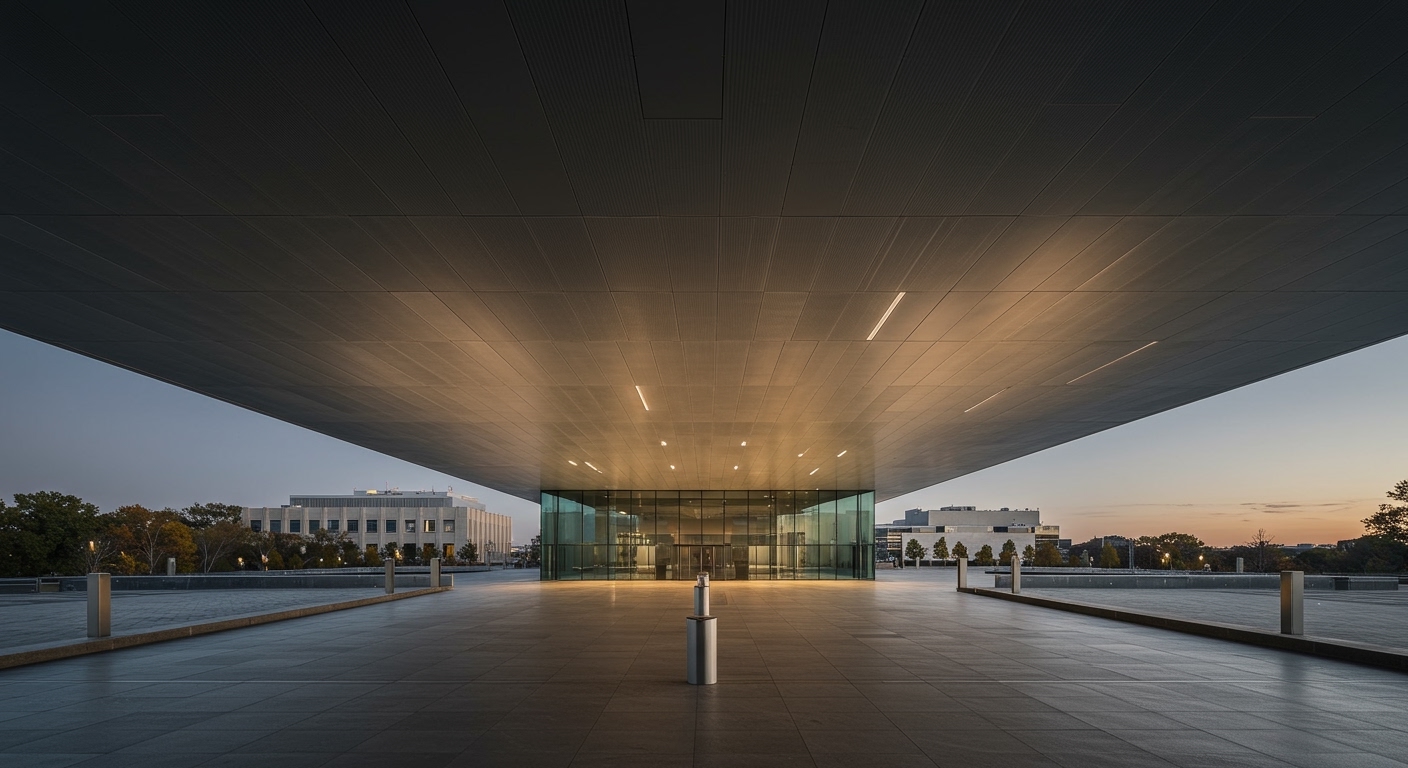
The Obama Presidential Center, described as “intentionally sculptural” and a departure from “tired precedent,” signifies a powerful desire for legacy projection. It is a building designed to speak volumes, to establish a permanent, imposing mark. This aspiration, while understandable for public figures, can inadvertently eclipse the nuanced, responsive architecture required to heal and integrate within existing urban ecologies. The inherent tension lies in the scale of ambition: is it to command attention or to foster connection? The Quentin Blake Centre, conversely, embraces its historical context, weaving new life into existing structures, demonstrating that profound cultural impact can be achieved through careful excavation and thoughtful augmentation. This approach champions a more subtle yet arguably more impactful form of urban responsibility, one that respects the palimpsest of the city and prioritizes accessibility and public amenity over grand gesture. The Layer House by W O V E N Architecture and Design, a waterfront residential project, also speaks to a desire for integration with its natural surroundings, a more intimate scale of experience that prioritizes its context.
The dichotomy between the monumental and the adaptive is stark. While the former seeks to carve its identity into the landscape, a singular act of creation, the latter seeks to resonate with the existing vernacular, building upon its strengths and acknowledging its limitations. The danger with the sculptural approach, particularly at the scale of a presidential center, is the potential for it to become an isolated icon, a destination unto itself rather than an integral contributor to its neighborhood. The news of Conflict Ecology employing synthetic aperture radar to analyze building damage in Lebanon presents a sobering counterpoint to our architectural aspirations. It forces a confrontation with the realities of destruction and the urgent need for resilient design and intelligent reconstruction strategies, even as we celebrate new cultural institutions. This technological tool, born of necessity in times of conflict, offers a stark reminder of the fragility of our built environment and the ethical imperative to design for permanence and for peace.
This trend toward monumental ego projection in public architecture, coupled with the growing awareness of our planet’s finite resources and the destructive realities of global conflict, creates a profound tension. We are building statements of power and prestige at a time when the world demands solutions for resilience, adaptation, and equitable development. The Obama Presidential Center, with its granite edifice, represents a certain kind of permanence, a deliberate monumentality. Yet, this permanence can be perceived as an imposition, a singular vision imposed upon a community, rather than a collaborative act of civic enhancement. The Quentin Blake Centre, by breathing new life into aged structures, suggests an alternative path: that true architectural legacy lies not solely in new construction but in the intelligent preservation and reimagining of what already exists, fostering a sense of continuity and shared history.
Looking ahead, expect a radical redefinition of “public monument.” Future presidential centers will likely eschew overt sculptural dominance for deeply embedded, technologically integrated, and community-driven platforms that serve as active urban hubs, not isolated temples. They will be born from adaptive reuse of existing civic infrastructure, clad in reclaimed materials, and animated by participatory design processes, making them truly responsive to the evolving needs of their urban context and the planet.
TL;DR
Architecture must shift from ego-driven monumentality to responsible, adaptive reintegration with urban and ecological realities.