JHDD Branding Report — 2026.07.26
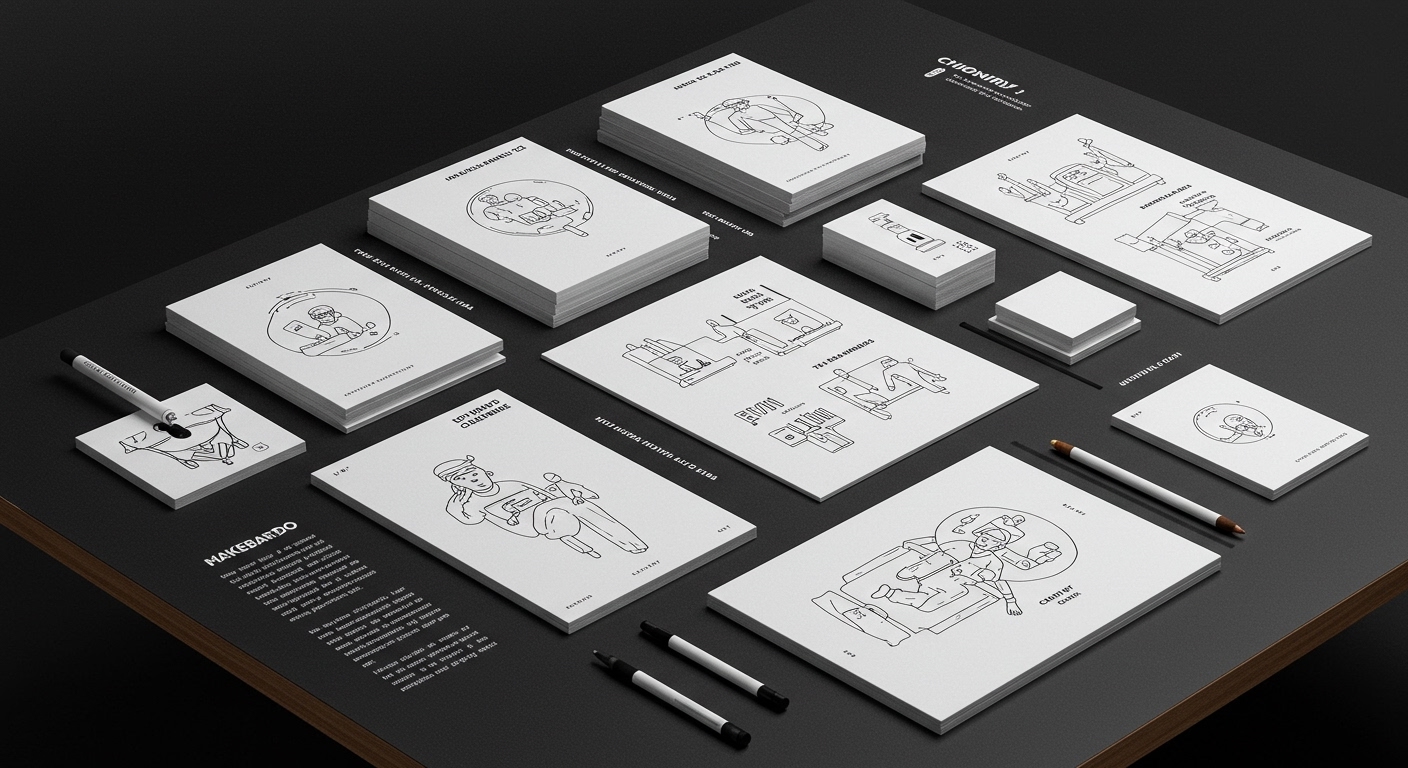
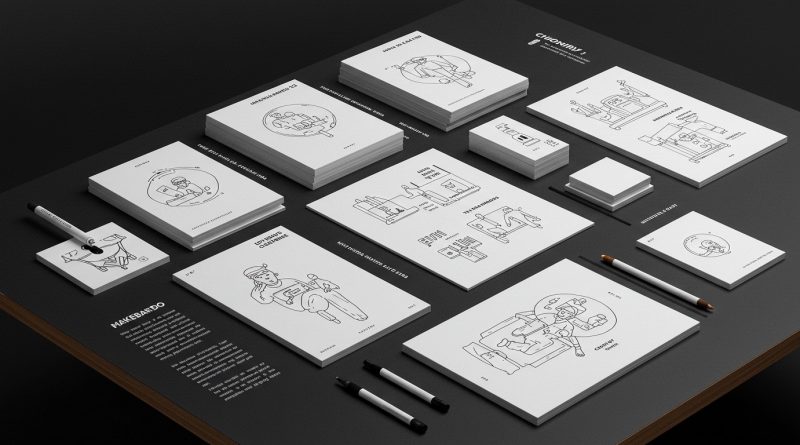
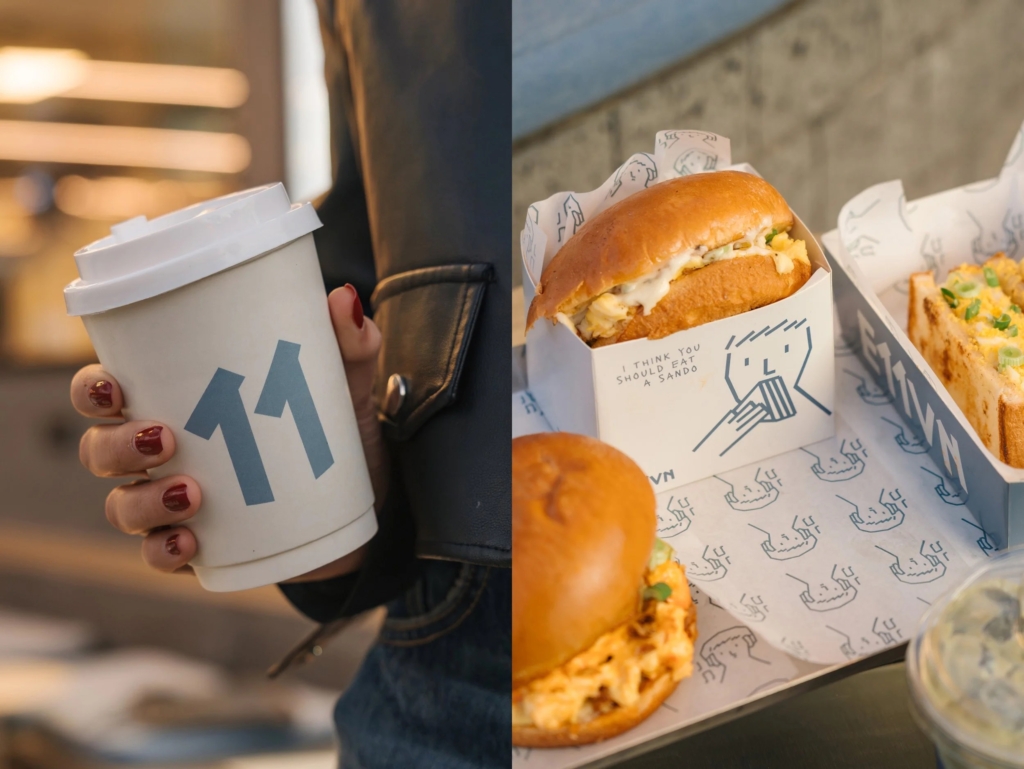
Makebardo’s illustrations for Cairo cafe/music venue E11VN demonstrate that strong visual identity can mitigate the impact of a challenging brand name. This observation points to a recurring pattern across recent branding projects: a deliberate embrace of distinctiveness, often through bold visual cues or deep cultural rooting, even when core propositions present inherent challenges or operate in crowded markets. Brands are strategically carving out specific cultural territories rather than pursuing broad, undifferentiated appeal. This commitment to specificity, often a departure from conventional brand-building wisdom, defines a more resilient approach to market positioning.
Consider Pentagram New York’s work for Rugiet, a men’s health brand. The designs are described as “unabashedly phallic,” a choice that mainstream industry opinion might typically deem gratuitous or alienating, particularly for a product in the sensitive healthcare sector. Conventional wisdom often dictates a more discreet, clinical, or universally appealing aesthetic for health products, pushing for visuals that avoid any potential for discomfort or overtness. However, Rugiet’s visual identity contradicts this by leaning into a direct, almost confrontational aesthetic. This bold approach, far from being a liability, actively contributes to the brand’s equity by signaling confidence, directness, and a refreshing lack of pretense in a category often shrouded in euphemism. It establishes an immediate, memorable, and provocative presence. The explicit visual language acts as a powerful cultural signal, communicating an authenticity and straightforwardness that more sanitized approaches might unintentionally dilute, thereby strengthening its market positioning among its target audience.
This strategy works because it prioritizes strong differentiation and authentic connection with a specific, discerning segment of the target audience over universal palatability. It understands that resonance with a core group is more valuable than mild acceptance across a broader, less engaged demographic. By committing to such a distinct visual identity, Rugiet not only captures attention but also cultivates a loyal user base that appreciates the brand’s directness. By mid-2027, more brands operating in sensitive, commoditized, or traditionally conservative sectors will intentionally adopt visual identities that lean into perceived taboos or niche aesthetics. This shift will recognize that overtness and specific cultural signaling can build more robust brand equity and distinct market positioning than bland neutrality, challenging the long-held belief that universal appeal guarantees long-term success.
The primary opposing force to this kind of decisive brand strategy is often internal: risk-averse marketing committees, legal departments sensitive to any potential controversy, and an overreliance on aggregated focus group data that prioritizes consensus over conviction. These forces frequently push brands towards generic “best practices” and templated visual systems, leading to homogeneity. For example, a committee might reject a distinct design for fear of alienating 2% of a potential audience, thereby sacrificing the opportunity to deeply resonate with the crucial 20% that drives growth and advocacy. This leads to a dilution of brand equity in pursuit of imagined universal acceptance, resulting in brands that are indistinguishable from competitors.
A working Branding professional should, this week, critically review current client briefs for opportunities to challenge conventional visual identity and positioning assumptions. Instead of defaulting to broad appeal, identify the specific cultural signals that would deeply resonate with the most valuable segment of the target audience, even if those signals are unconventional or carry an element of initial risk. Advocate for distinctiveness that might initially feel polarizing but ultimately builds stronger, more memorable brand equity and fosters deeper connections, rather than aiming for lowest common denominator acceptance.
TL;DR
Brands are gaining equity through bold, specific visual identities that contradict conventional wisdom.
Curated References

About this editorial — This piece was developed using AI-assisted research and curation across multiple industry sources. All analysis, opinions, and predictions represent the editorial perspective of JHDD. Sources are linked in the references section above.