JHDD Web Design Report — 2026.07.25
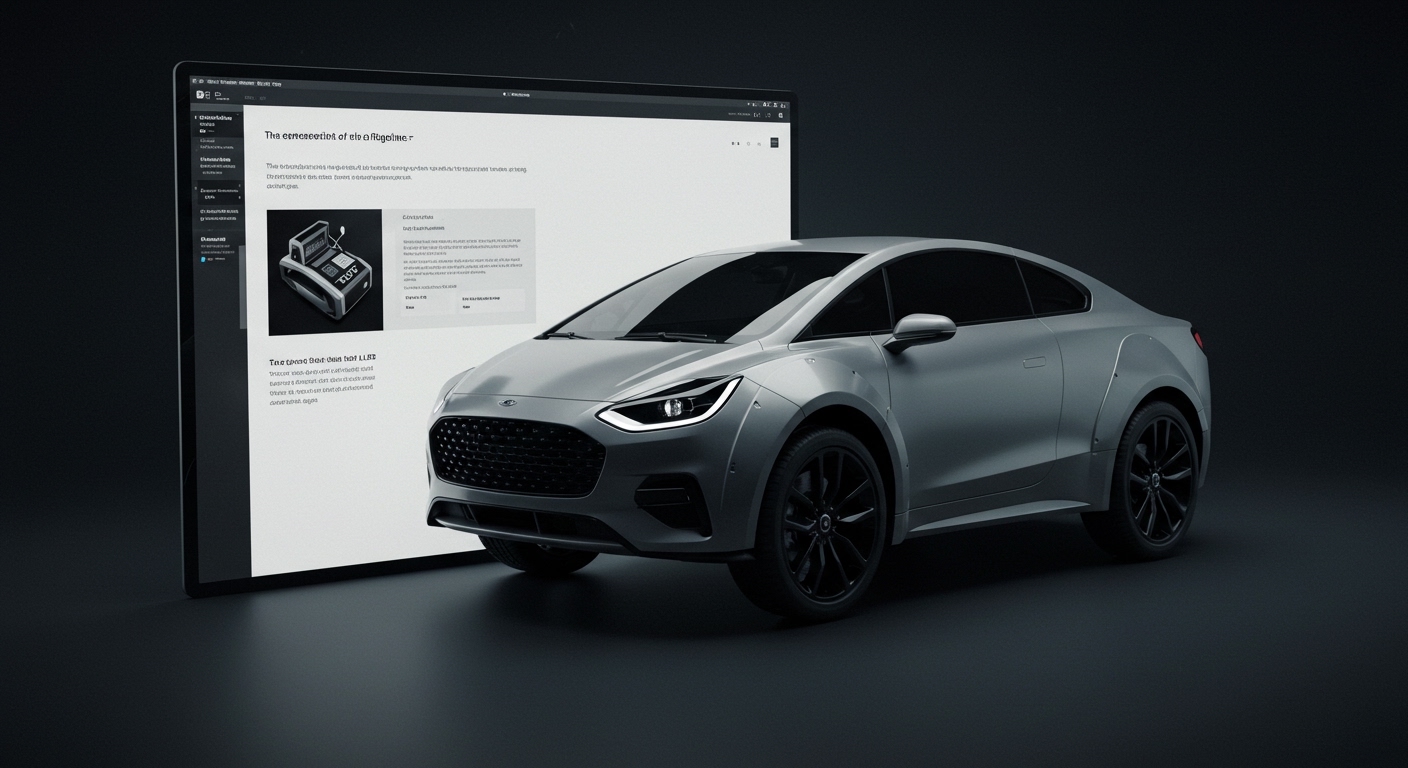
The engineering behind Ridgeline brought a cinematic 3D experience to life.
These recent projects reveal a concerted effort across the industry to push the visual and interactive boundaries of the web. What connects these stories is not just the adoption of advanced techniques like WebGL, 3D rendering, and sophisticated animation, but the strategic integration of these elements to transform complex information and brand narratives into deeply engaging, often performant, user experiences. This signifies a move beyond static layouts, embracing the web as a dynamic canvas for rich, interactive storytelling and tangible product representation.

Garden Eight’s commitment to “continuous transformation” in their projects offers a crucial perspective on modern front-end craft. While a segment of the industry remains fixated on highly abstracted component systems and the pursuit of raw Lighthouse scores, projects like Cerebrium and Dash Creative actively embrace sophisticated interaction design and WebGL implementation. This approach contradicts the mainstream industry opinion that performance is solely measured by initial page load speed and a minimalist aesthetic. Instead, these examples demonstrate that a meticulously crafted, visually rich experience, leveraging advanced motion and 3D techniques, can deliver substantial user value. Performance, in this context, becomes about the seamless and delightful perception of a full, interactive journey, where the initial download overhead is justified by deeper engagement and retention.
The prevailing industry narrative often labels extensive WebGL or real-time 3D experiences as inherently detrimental to performance and accessibility, limiting their use to niche or experimental sites. However, the engineering behind Ridgeline directly challenges this by integrating real-time terrain rendering and animation techniques within Webflow, alongside explicit performance optimizations. This indicates a maturing ecosystem where complex visual systems are becoming more manageable and efficient. This trend will accelerate. By mid-2027, the front-end community will witness a significant shift, with integrated 3D and bespoke motion designs becoming standard expectations for premium digital experiences across various sectors, pushing layout and typographic expression into dynamic, multi-dimensional spaces far beyond current static grid patterns.
The primary opposing force against this integration of advanced visual craft into mainstream web design is the continued emphasis on developer velocity at the expense of rendering fidelity and nuanced user experience. This includes an over-reliance on generic templating, the uncritical adoption of performance metrics that ignore qualitative engagement, and the persistent underinvestment in core browser layout and typography engine development in favor of JavaScript framework churn.
A working web design professional should this week investigate the practical applications of the CSS writing-mode property beyond its linguistic purpose. Experiment with how vertical-rl or vertical-lr can be used to create compelling visual breaks, add unique hierarchical emphasis, or introduce unexpected layout rhythms within otherwise conventional content sections, rather than defaulting to horizontal flows.
TL;DR
The modern web’s craft is moving towards integrated 3D and rich interaction, challenging simplistic performance metrics and opening new expressive layout possibilities.
Curated References
About this editorial — This piece was developed using AI-assisted research and curation across multiple industry sources. All analysis, opinions, and predictions represent the editorial perspective of JHDD. Sources are linked in the references section above.