Julian’s Interior Insight — 2026.06.04
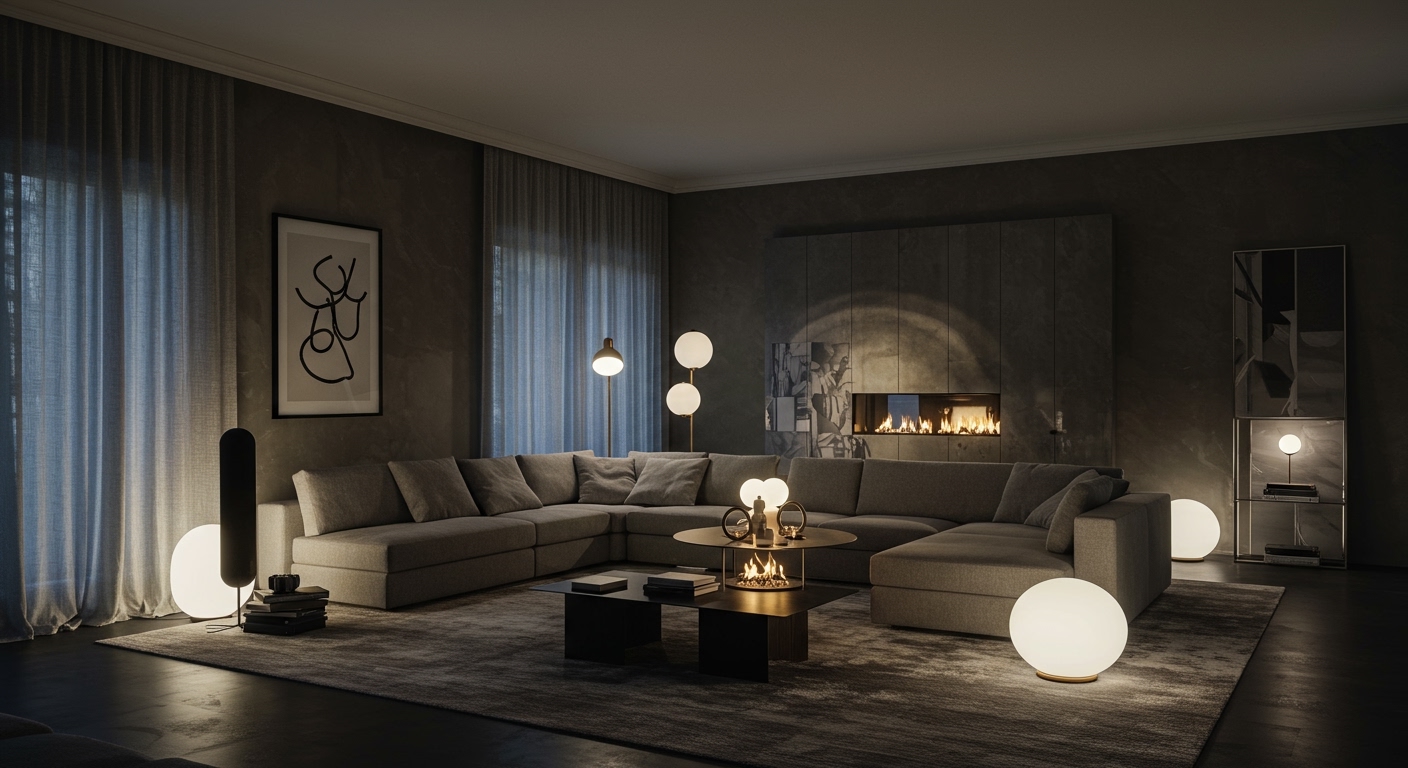
Beneath the gloss of transient trends, interiors are finally remembering their true purpose: to stir the senses and anchor us in place.
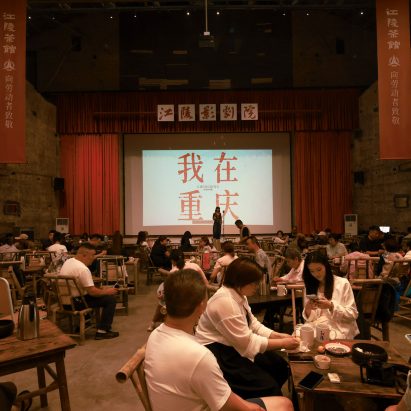
The contemporary dialogue around interior design is increasingly preoccupied with the visceral. In a world saturated with digital ephemera, the tactile quality of materiality has emerged as a crucial anchor. Think of the honest rawness of exposed brick, softened by the playful diffusion of coloured glass, as seen in Logic’s humble yet collaborative workspace in Gujarat. This is not merely aesthetic choice; it’s a deliberate engagement with our primal need for substance, for something to touch, to feel. Spatial tension, too, is gaining prominence, with designers artfully orchestrating voids and volumes to guide human flow, transforming circulation into an experience rather than a mere traversal. The adaptation of an abandoned 1950s cinema into a teahouse and food market by Studio We Live in China exemplifies this, where the existing echoes of past gatherings are recontextualized, creating a nostalgic yet vibrant communal space. These projects eschew sterile uniformity, embracing the narrative inherent in existing structures and salvaged materials, speaking to a deeper human desire for connection and provenance.
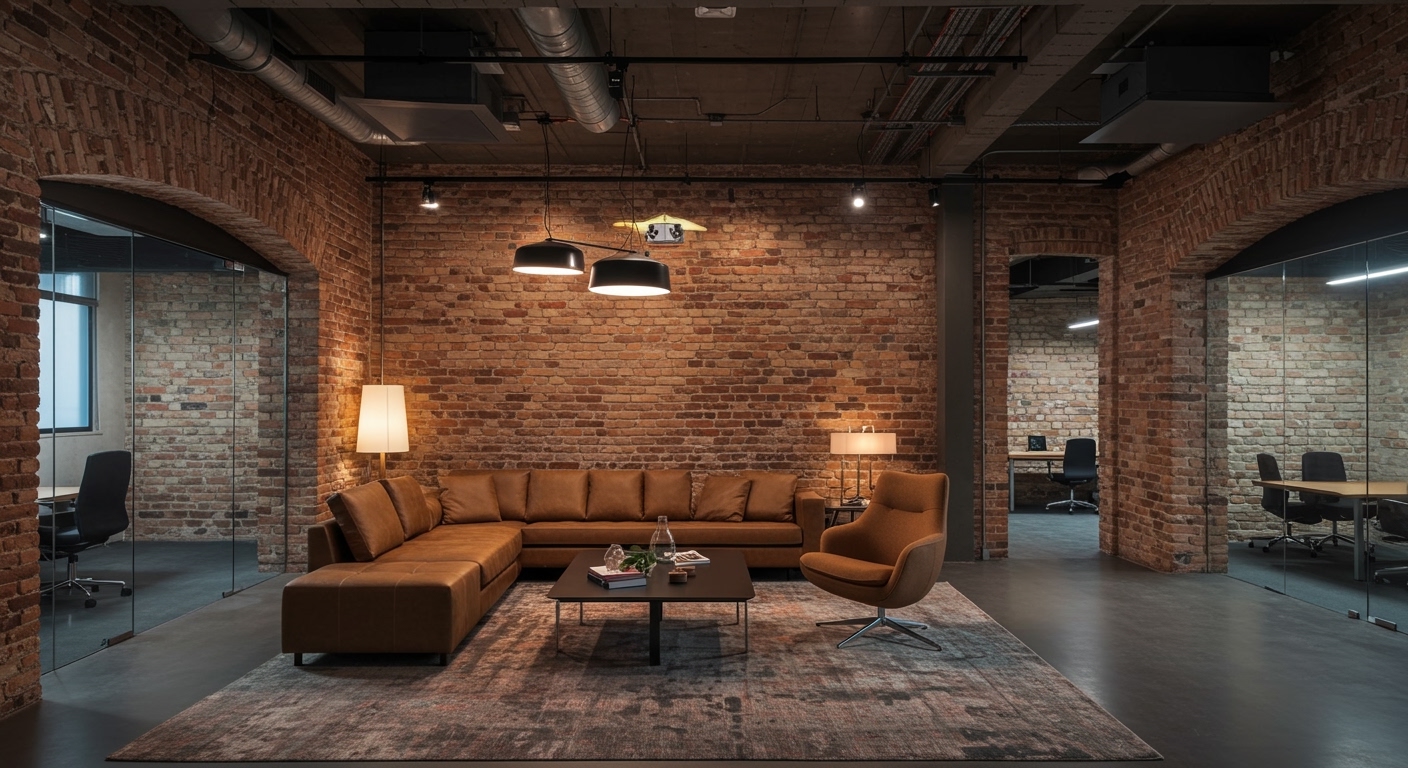
A significant trend is the reclamation of nostalgic or historically resonant spaces, infusing them with contemporary purpose. GRT Architects’ Bad Roman in Beverly Hills, with its exuberant tiled facade, is a masterclass in contemporary maximalism, eschewing the minimalist ennui that has dominated for too long. This is not a timid approach; it is a confident assertion of personality, a deliberate theatricality that acknowledges the performative aspect of dining and social engagement. Similarly, the “unmistakably cool” Madrid office by Mil Studios, drawing inspiration from 1990s New York, champions a refined material palette, suggesting that sophistication can be both understated and impactful. These interventions are not simply about filling a void, but about creating environments that evoke specific emotions and cater to distinct social rituals, from the quiet contemplation of a boutique hotel illuminated by a central skylight, as PPAA achieved with Lamartine in Mexico City, to the robust celebration of community in repurposed industrial shells.
The prevailing tension lies in the dichotomy between a desire for bold, expressive spaces and the persistent allure of curated minimalism. While some embrace maximalism with an almost defiant exuberance, others seek a more restrained elegance, albeit one grounded in superior materiality and thoughtful spatial arrangement. The challenge for designers is to navigate this spectrum, to create spaces that are simultaneously memorable and functional, that speak to individual identity without alienating broader user experiences. This requires a nuanced understanding of how materials, light, and form interact to create an atmosphere, a feeling that transcends mere utility. It’s the difference between a sterile white box and a meticulously crafted environment that feels both timeless and utterly of the moment.
The future of interior design will witness a profound reintegration of craft and narrative into everyday spaces, moving beyond curated experiences to cultivate environments that foster genuine sensory engagement and foster a stronger sense of belonging. Look for the rise of “heritage-informed” materiality, where salvaged elements are not mere decorative accents but integral to the building’s ongoing story.
TL;DR
Interiors are finally embracing sensory richness and historical resonance, rejecting blandness for tactile depth and evocative experiences.