
JHDD UI UX Report — 2026.07.24

Designers commonly stated UX was not about screens, even as their work often focused on building flows in Figma, mapping out states, and handling handoff. This long-standing claim faces a direct challenge from advancing AI, which increasingly shifts the value away from the visual artifact itself. This pattern connects recent developments across different aspects of product design, revealing that the easily generatable output—be it a screen, a basic interface, or even a portfolio—has become the cheapest part of the equation. This exposes a systemic industry weakness in truly validating user value and addressing foundational requirements like accessibility, rather than merely producing interfaces.
The prevailing industry opinion often suggests that AI’s growing capability will inevitably elevate the baseline quality of digital experiences by streamlining design processes and automating routine tasks. However, this view overlooks a critical vulnerability. The demotion of screens, as observed in the analysis regarding the future of interfaces, does not automatically translate to a demotion of user needs. Instead, the ease with which AI can now generate designs, even for “search, results, and product detail pages of a portal” as noted in a recent UX review experiment, risks allowing organizations to further deprioritize the rigorous human effort required for deep user understanding and comprehensive accessibility. If an adequate-looking UI can be produced with minimal human input, the pressure to engage in extensive user research, usability testing, and accessibility auditing might decrease. This risks solidifying, rather than dismantling, the “digital wall” that causes 95.9% of top sites to fail their users. By late 2027, many organizations will discover that their AI-generated interfaces, while efficient to produce, still require significant human intervention to achieve true usability and compliance, particularly in nuanced interaction patterns and edge cases.
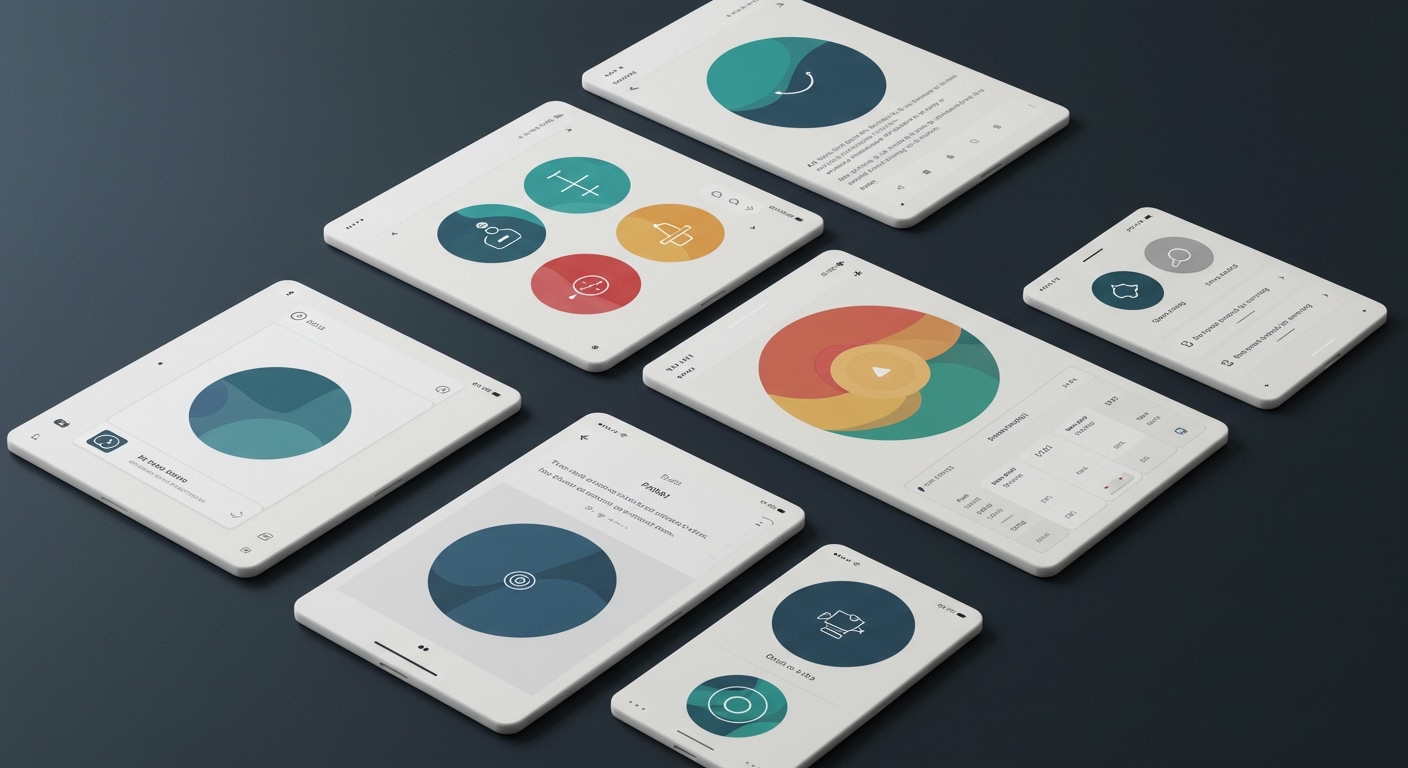
The most potent opposing force is the “feature trap,” where product teams confuse building with validating. This organizational inertia, driven by output metrics rather than genuine user outcomes, actively resists a deeper, more human-centric approach to design. It creates a cycle where resources are allocated to producing more features or screens, rather than ensuring the foundational quality and accessibility of existing ones. This perpetuates the issues highlighted by the ongoing failure rates in digital accessibility and the need for human expert oversight in AI-assisted reviews.
A UI UX professional should implement weekly, dedicated accessibility review sessions within their team, using actual screen readers, keyboard navigation, and alternative input methods to test specific interaction patterns in existing products. This practice moves beyond automated checks by fostering direct empathy and exposing real-world barriers that AI-generated or screen-centric designs might overlook.
TL;DR
AI’s automation of design artifacts forces product teams to focus on user validation and fundamental accessibility, which often remain neglected.
Curated References



About this editorial — This piece was developed using AI-assisted research and curation across multiple industry sources. All analysis, opinions, and predictions represent the editorial perspective of JHDD. Sources are linked in the references section above.