JHDD 3D Modeling Report — 2026.07.19
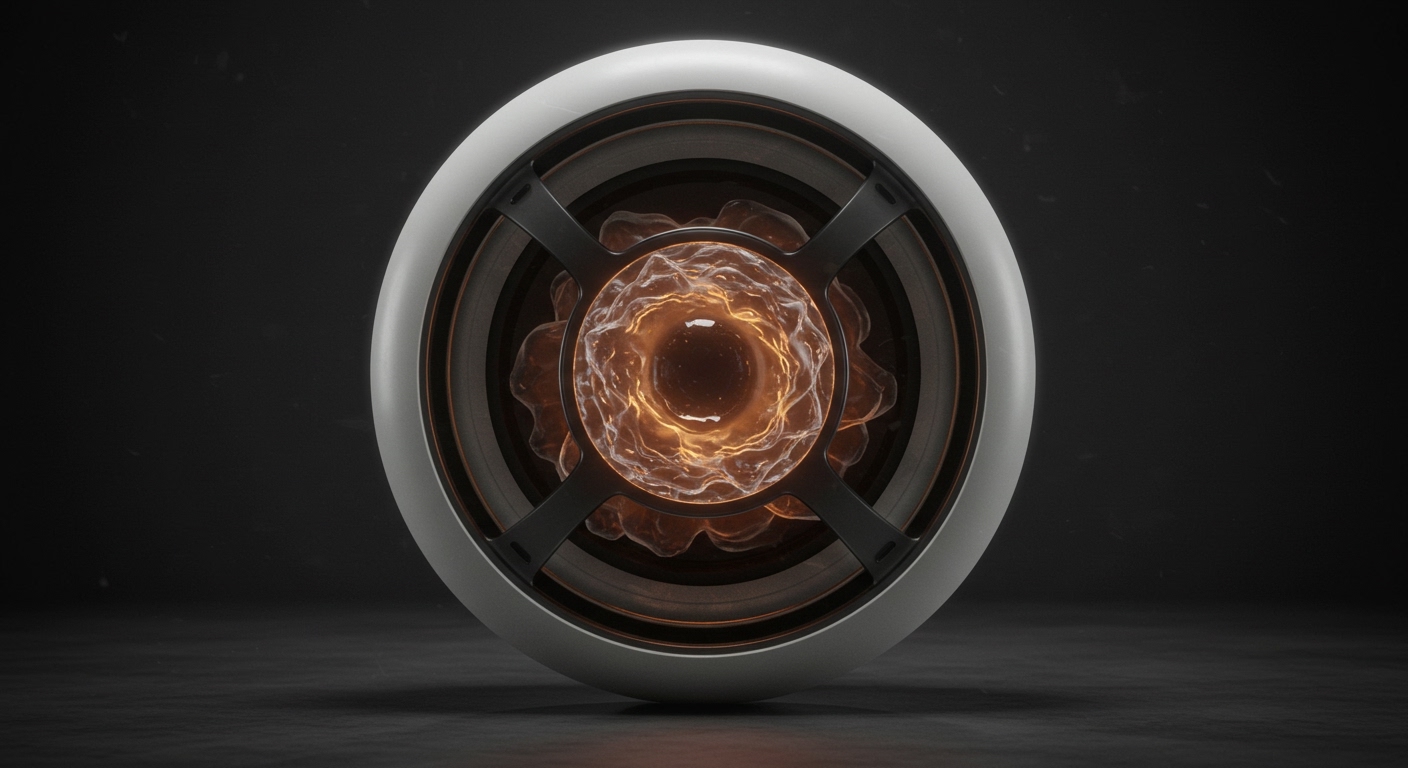
Reza Sarkamari’s tutorial on Expanse workflow in Unreal Engine demonstrates the advanced volumetric capabilities now accessible to artists.
The concurrent announcements of technologically advanced rendering workflows like Sarkamari’s Expanse tutorial, the distinct aesthetic of Frost Kin in Godot, and Max Bedulenko’s detailed Velvet Road environment highlight an accelerating capability for individual artists and smaller studios to achieve highly sophisticated visual fidelity in virtual spaces. This artistic empowerment, however, runs parallel to the enduring challenges of large-scale production, as evidenced by Bethesda’s multi-year roadmap for Fallout remasters and The Elder Scrolls VI, and the cautionary tale of Boss Key’s commercial struggles.

Bethesda Game Studios’ strategy, confirming Fallout 3 and Fallout: New Vegas remasters alongside The Elder Scrolls VI, presents a unique case study in virtual space evolution. Conventional wisdom often dismisses remasters as low-effort cash-grabs, suggesting that true innovation lies solely in new intellectual property. This perspective overlooks a critical function of modern remasters: they serve as intensive proving grounds for advanced rendering techniques, particularly in hyper-realism and lighting dynamics. Rebuilding iconic virtual spaces with current engines forces developers to achieve fidelity that honors nostalgia while simultaneously pushing the boundaries of realism for familiar assets. The challenge is not just to make something look ‘better,’ but to make it feel authentically revitalized, which demands sophisticated lighting passes and material definitions, often exposing limitations in previous procedural generation methods that must now be subtly refined rather than entirely replaced.
This meticulous re-rendering of established virtual worlds will drive significant advancements in tools that allow for dynamic, procedural asset updates without breaking existing spatial relationships. By late 2027, the lessons learned from projects like the Fallout remasters will lead to widely adopted procedural material systems that can intelligently interpret legacy data, automatically generating physically accurate surface properties and volumetric effects across vast environments. This will be far more impactful than simply rendering new worlds from scratch, as it solves the complex problem of visual modernization at scale, particularly for virtual archives that require visual updates to remain commercially viable.
The primary opposing force to this evolution is the inertia of established development pipelines and the commercial pressures highlighted by figures like Cliff Bleszinski regarding Boss Key. Large studios, already burdened with immense production costs and multi-year development cycles, often resist wholesale adoption of novel procedural or real-time volumetric workflows due to the perceived risk to schedules and budgets. The investment in retraining staff and overhauling proprietary tools can be prohibitive, even if the long-term benefits in hyper-realism and efficiency are clear. Furthermore, the delicate balance of updating classic IP without alienating a dedicated fanbase can lead to conservative artistic choices, slowing the integration of truly transformative rendering techniques into mainstream titles.
A working 3D Modeling professional should, within the coming weeks, dedicate time to deeply explore and implement volumetric material graphs and advanced lighting setups within a real-time engine like Unreal Engine or Godot. Specifically, experiment with using procedural noise functions and data-driven material layers to dynamically generate micro-surface detail and atmospheric effects on existing assets. Do not just model, but also define how light interacts with every aspect of that model in a physically accurate, yet creatively expressive, way, pushing beyond simple PBR workflows into nuanced volumetric integration.
TL;DR
The technical demands of re-rendering established virtual spaces are driving advanced hyper-realistic and volumetric rendering innovations.
Curated References
About this editorial — This piece was developed using AI-assisted research and curation across multiple industry sources. All analysis, opinions, and predictions represent the editorial perspective of JHDD. Sources are linked in the references section above.