JHDD Packaging Report — 2026.07.18
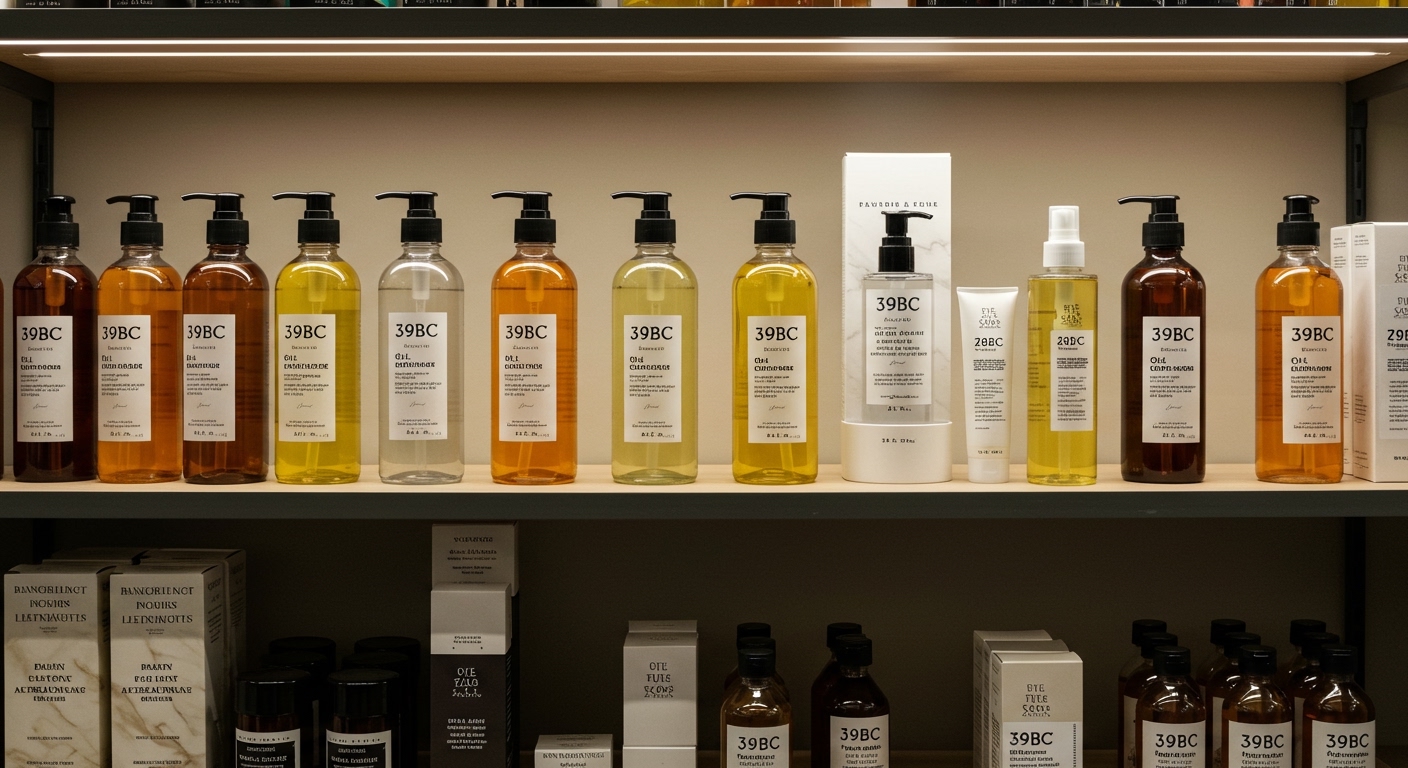
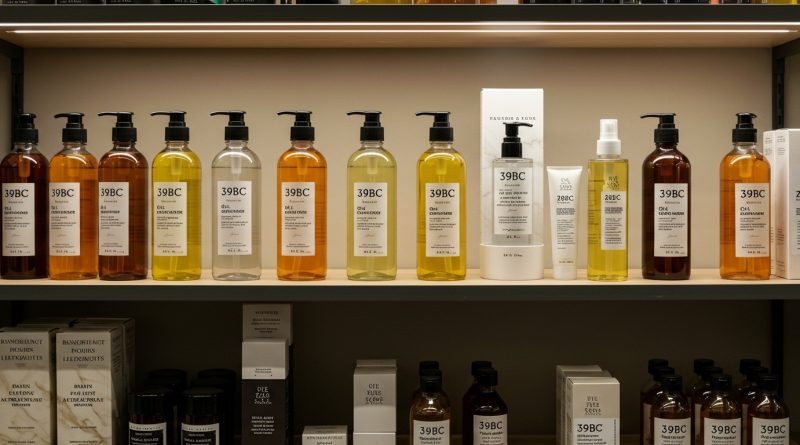
39BC demonstrates how an oil body cleanser can achieve spirits aisle polish with apothecary style glass bottles and glossy cherry red caps.
This level of design intent, visible across recent projects, reveals a deeper pattern than mere aesthetic upgrades. Brands are increasingly leveraging packaging as the primary medium for cultural storytelling and extended consumer engagement. Whether it is the local resonance of Hilo, Hawaii’s Ho‘i program, or the global narrative woven into JKR’s collectible series for Budweiser, the physical container is moving beyond its functional role to become a direct artifact of brand values and consumer experience. The tangible object now actively shapes brand perception and loyalty long after purchase.
Consider JKR’s work for Budweiser, transforming 40 years of FIFA World Cup history into a collectible packaging series. This project leverages archive-inspired graphics and host nation storytelling, making the packaging itself a piece of memorabilia. Mainstream industry opinion often compartmentalizes packaging as a protective shell or a fleeting marketing tool, especially for mass-market CPG. This view undervalues the power of the physical object to foster enduring emotional connections. For Budweiser, the packaging functions as a physical manifestation of shared history and fan identity, directly inviting revisits to iconic tournaments. This strategy contradicts the common belief that loyalty in CPG is primarily driven by product utility or price point. Instead, it demonstrates that deep narrative integration and collectible value can forge robust consumer bonds, even for high-volume brands.
The tactile experience is central to this expanded role. The choice of materials, finishes, and structural elements communicates authenticity and premiumization without explicit claims. For Shwung’s non-alcoholic wine, Fcklck’s use of striking die-cut labels and thoughtful bottle curation elevates a nascent category, grounding it in high-end wine heritage. This attention to detail transforms the unboxing experience into a moment of discovery and appreciation, rather than just unpacking. Packaging professionals often prioritize cost-efficiency and supply chain optimization above all else, seeing tactile luxury as an optional add-on. However, this misses the fundamental shift. Within two years, brands failing to invest in packaging that conveys a layered, haptic narrative will struggle to differentiate in crowded markets, particularly as consumers increasingly seek depth and authenticity.
The primary resistance to this evolution comes from entrenched supply chain economics and the short-term focus of quarterly financial reporting. The perceived higher cost of premium materials, specialized printing techniques, or reusability infrastructure, such as Hilo’s Ho‘i program, often deters brands from fully embracing packaging as an experience-driver. Legacy manufacturing processes and a reluctance to disrupt established distribution models also impede the shift towards more intricate, culturally resonant, or circular packaging solutions.
A working Packaging professional should immediately integrate “narrative and tactile value mapping” into their project brief development. This involves mapping not just functional requirements but also the cultural touchpoints, emotional responses, and post-purchase interactions desired from the packaging. For instance, when designing for a new product, consider how material choice and structural form can communicate an explicit story or invite a specific interaction, moving beyond standard visual branding.
TL;DR
Packaging is evolving into a primary medium for cultural storytelling and extended consumer engagement, challenging traditional views of its role.
Curated References


About this editorial — This piece was developed using AI-assisted research and curation across multiple industry sources. All analysis, opinions, and predictions represent the editorial perspective of JHDD. Sources are linked in the references section above.