JHDD Web Design Report — 2026.07.11
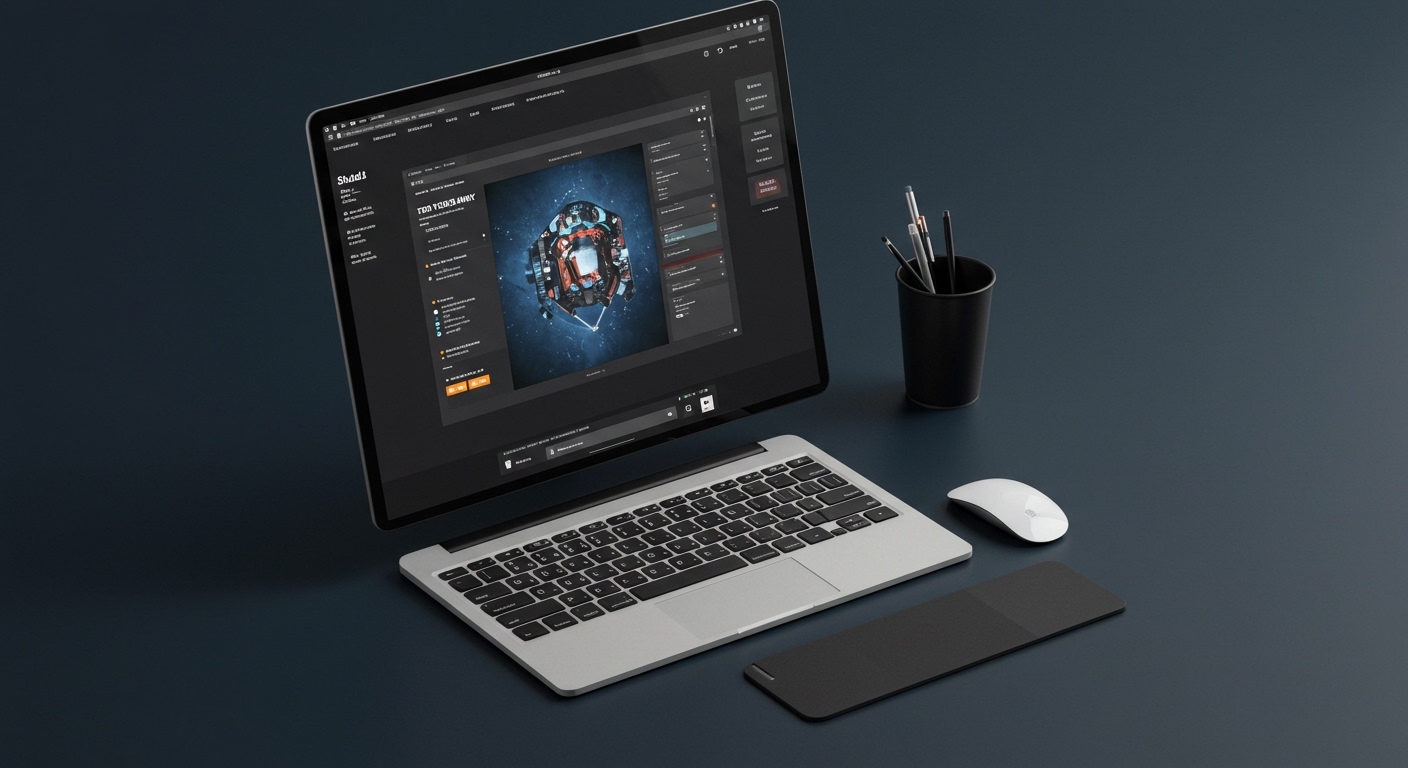
Studio375’s interactive comic “Ten Years Away” leverages WebGL for its scroll-driven narrative. These recent projects indicate a persistent drive towards visually rich, interactive 3D experiences on the web, frequently using WebGL and libraries like Three.js, even as native CSS capabilities for complex shapes and layouts continue to advance. The recurring pattern is the pursuit of immersive digital narratives and unique visual aesthetics through sophisticated animation and 3D rendering.
Studio375’s “Ten Years Away” provides a particularly telling example, transitioning a comic from printed origins to a WebGL implementation for a scroll-driven experience. This showcases the technical ambition to craft deep, engaging narratives directly within the browser environment. However, the conventional industry enthusiasm for such elaborate 3D implementations often overlooks their long-term implications for site performance and accessibility. A widespread assumption exists that every interactive story or product showcase automatically benefits from the heavy overhead of custom 3D engines, yet this perspective frequently misses the fundamental user expectation for speed and clarity. True front-end craft requires a discerning eye for when and how to deploy these powerful, resource-intensive tools.
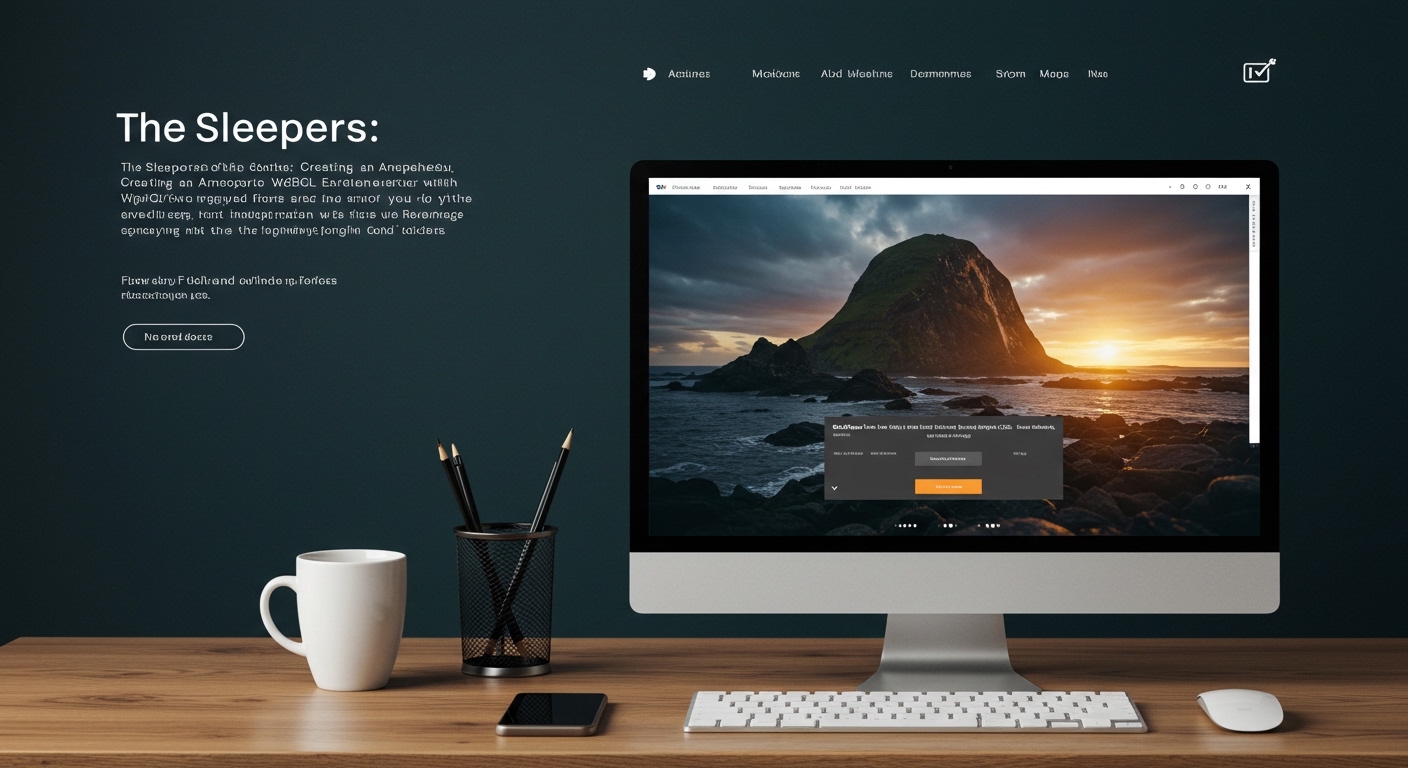
The project “The Sleepers,” with its emphasis on “lightweight techniques” for swirling transitions and animated fog, offers a counter-narrative, proving that atmospheric depth can be achieved without demanding excessive browser resources. This approach exemplifies a more mature understanding of web performance, prioritizing efficient rendering and user experience alongside visual innovation. It demonstrates that the choice between visual fidelity and speed is not always absolute. By mid-2028, the industry will have to confront a clearer delineation between truly impactful, performance-optimized custom 3D experiences and those that are visually impressive but unsustainable for broader web adoption. This will force a reconsideration of default tool choices.
The primary opposing force to this balanced approach is the pervasive market demand for novelty and visual differentiation. Clients and marketing departments frequently prioritize immediate visual impact and “wow” factor, often at the expense of long-term maintainability, accessibility, and loading speeds. This pressure often compels designers and developers to adopt complex rendering solutions where simpler, more performant native browser capabilities could suffice, leading to a proliferation of sites that look cutting-edge but perform poorly.
A practical step for web design professionals this week involves exploring the recently introduced CSS border-shape property. Understanding how its capabilities can create distinctive layouts and visual elements without resorting to JavaScript-heavy rendering solutions or custom WebGL canvases will enhance a project’s performance baseline. This provides a direct path to achieving unique aesthetics with built-in browser efficiency.
TL;DR
The web’s embrace of complex 3D motion must be balanced with a renewed commitment to performance and native CSS capabilities for sustainable craft.
Curated References
About this editorial — This piece was developed using AI-assisted research and curation across multiple industry sources. All analysis, opinions, and predictions represent the editorial perspective of JHDD. Sources are linked in the references section above.