JHDD Architecture Report — 2026.07.11
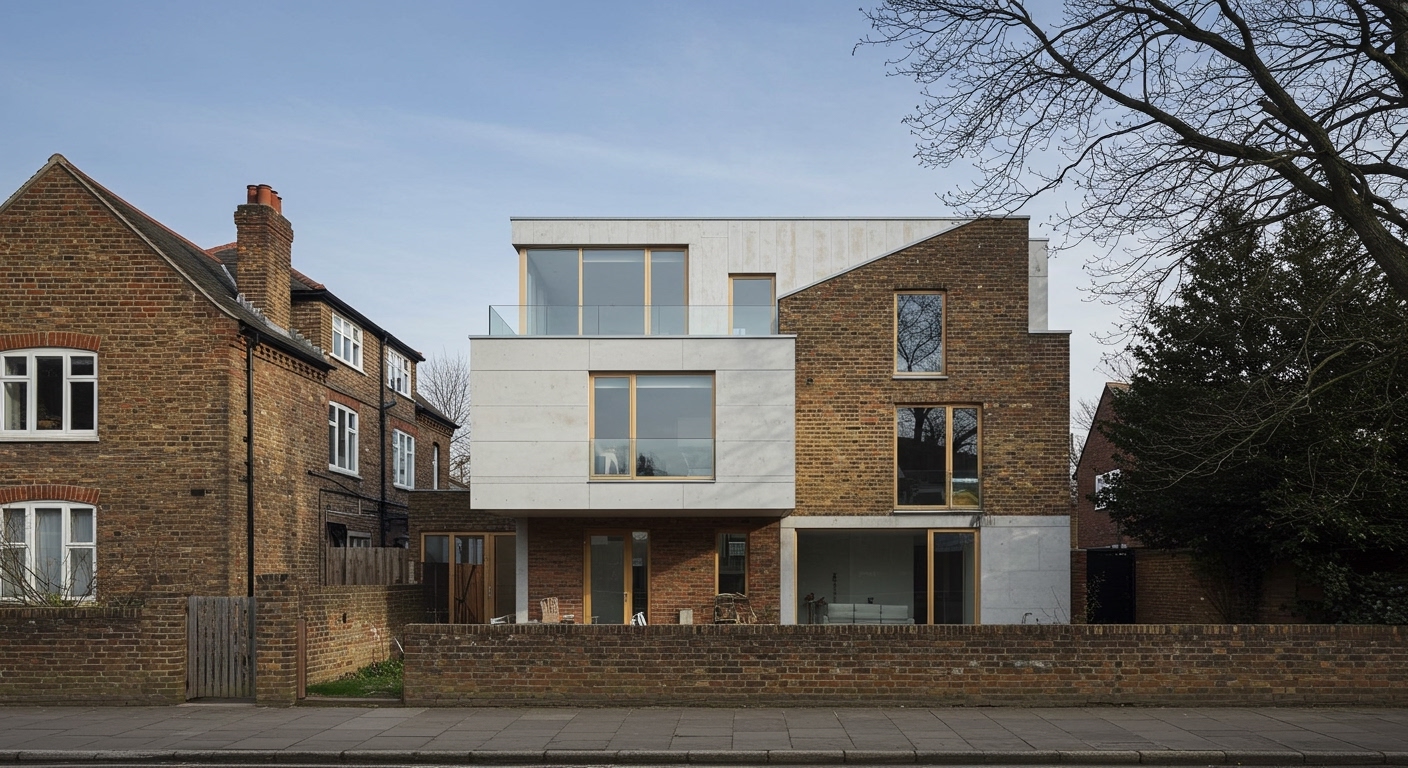
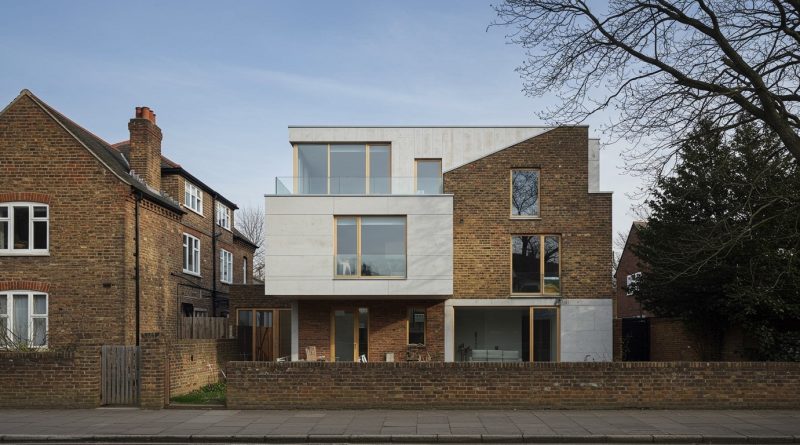
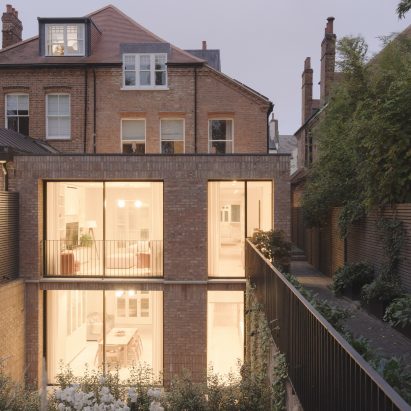
Formwork Architects transformed a derelict care home in Crouch End into a family dwelling, adding a two-storey brick extension. This specific project illustrates a broader, understated pattern in contemporary design: a strategic shift towards rehabilitating existing structures and prioritizing the intrinsic value of materials. Whether a large-scale architectural intervention or the thoughtful creation of furniture, there is an increasing recognition of embedded history and the environmental imperative to work with what already exists rather than to constantly introduce the new.
The work of Formwork Architects on Crouch End House exemplifies this material-first approach, where a new brick extension integrates thoughtfully with the original Edwardian structure, demonstrating both respect for history and robust modern functionality. This is not merely an aesthetic choice but a structural philosophy that values the embodied energy and cultural narrative within existing fabric. Mainstream industry discourse often fixates on the novelty of untouched sites and entirely new material palettes, perceiving adaptation as a compromise. However, the lasting contribution lies in proving that deep renovation, particularly of challenging structures like a former care home, yields more robust, characterful, and ultimately sustainable urban outcomes than demolition and rebuild.
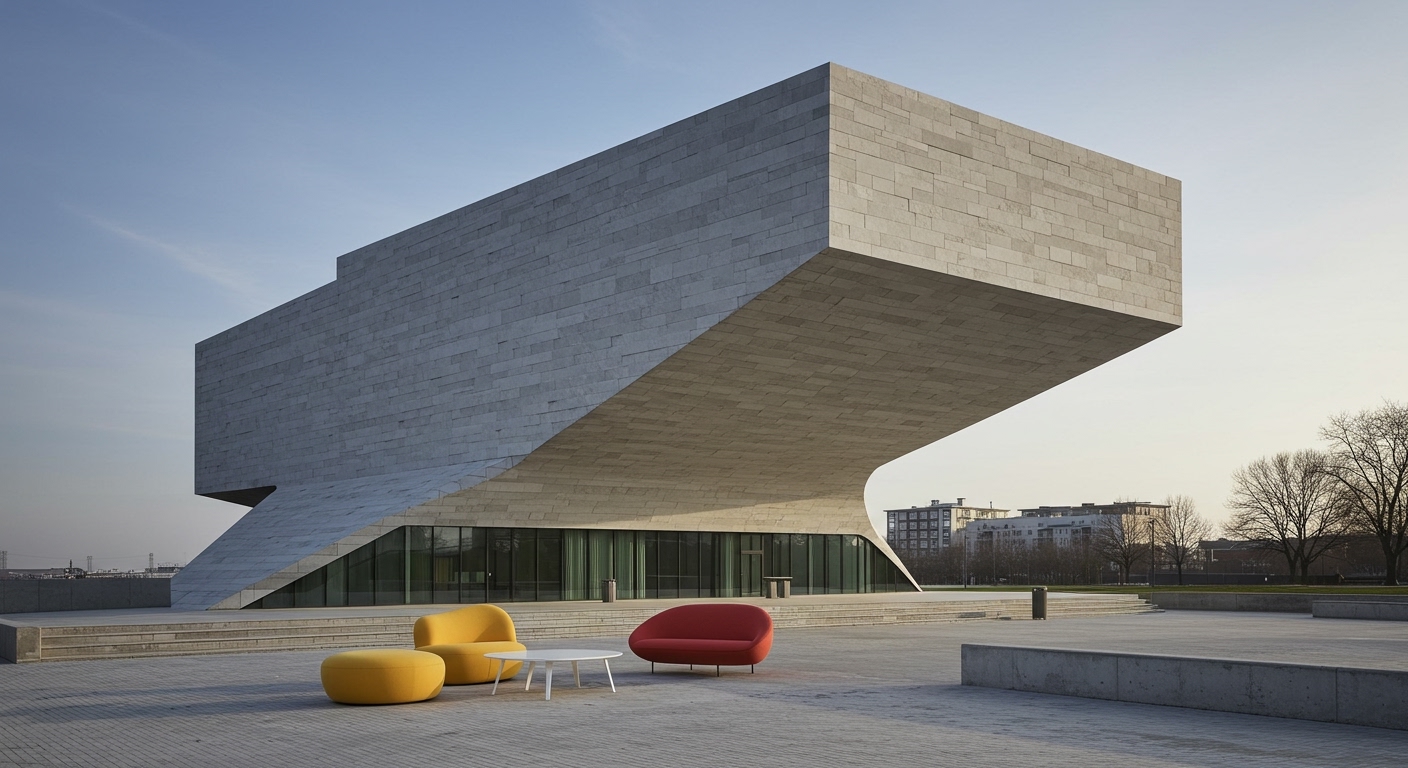
This commitment to layered history and resourcefulness is the true frontier of material innovation. Instead of chasing synthetic novelties, architects are finding innovation in how traditional materials are recontextualized or how forgotten structures gain new life, much like Lenka Milerová architektka converting an old pigsty into the Panoší Újezd Summer House. This approach will increasingly influence urban planning policies by mid-2027, with incentives for adaptive reuse potentially surpassing those for new development, particularly in dense metropolitan areas facing housing and environmental pressures.
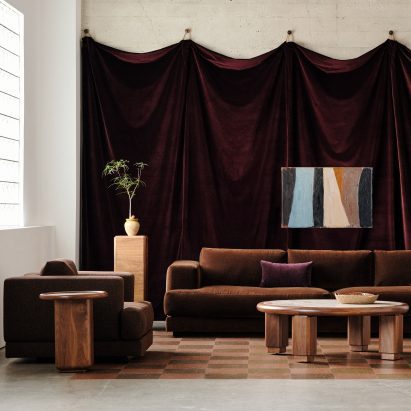
The primary opposing force to this integrated, sustainable approach remains the immediate profit motive driven by property developers and manufacturers who favor speed and scale over embodied value. The continuous cycle of new product releases, such as the “seven products by USA-based design brands” featured in general design publications, often overlooks the long-term environmental cost of new material extraction and production, prioritizing market novelty over enduring design principles.
An architecture professional should dedicate time this week to performing a detailed material audit on a current project, identifying opportunities to either reuse existing on-site materials or specify regionally sourced, low-embodied-energy components. This goes beyond checking boxes for certifications; it requires genuine inquiry into supply chains and potential for local craft integration.
TL;DR
Building reuse and material honesty offer more responsible and innovative paths than new construction or fleeting product trends.
Curated References
About this editorial — This piece was developed using AI-assisted research and curation across multiple industry sources. All analysis, opinions, and predictions represent the editorial perspective of JHDD. Sources are linked in the references section above.