JHDD Interior Report — 2026.07.10
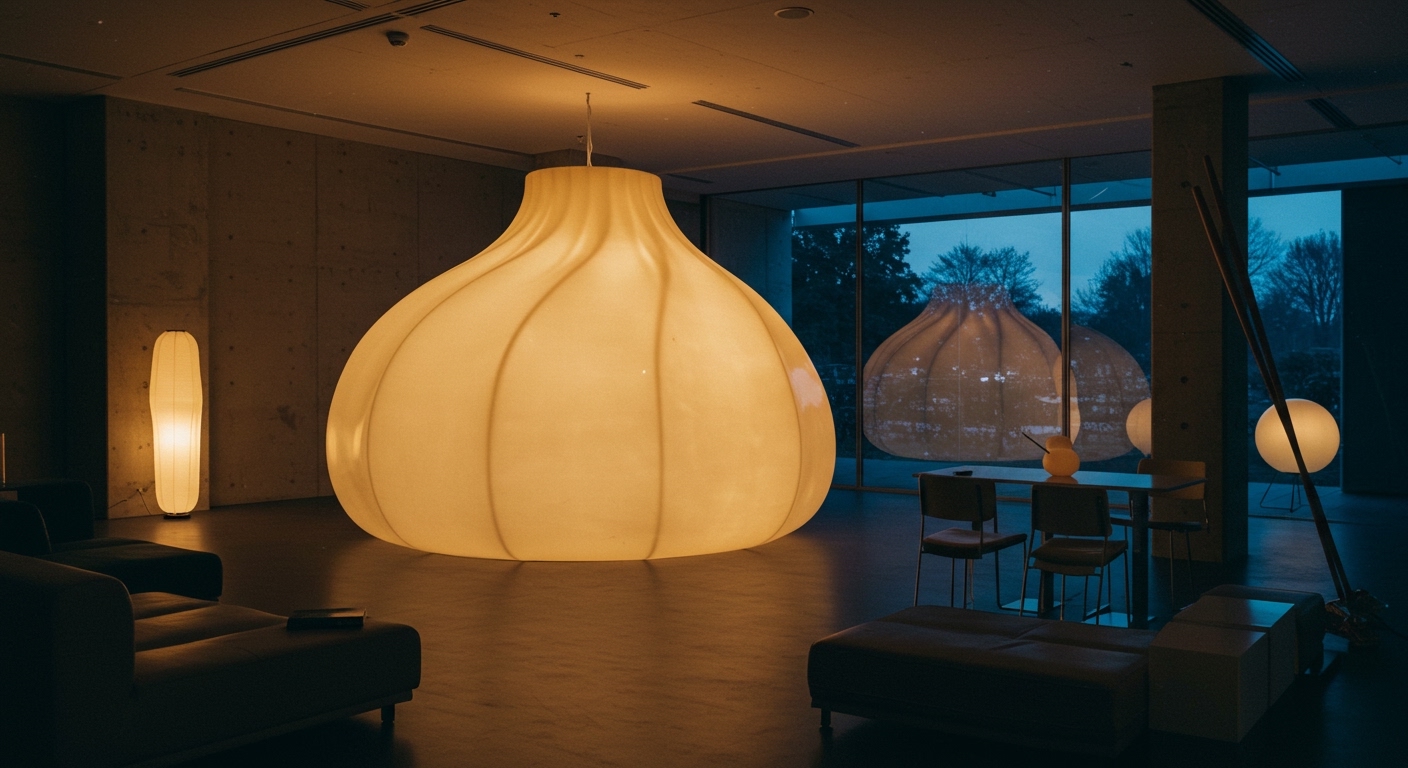
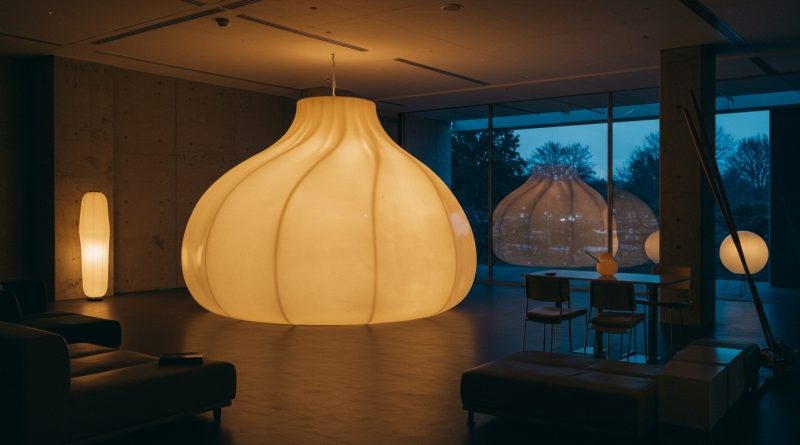
The gigantic fibreglass dumpling lamp designed by Open Studio for Dumpling Darlings represents a spatial shift beyond mere aesthetic novelty.
Across various scales and functions, from a London office to a Tokyo hotel, a discernible pattern emerges: designers are intensely focused on crafting singular, deeply imprinted spatial experiences. This involves precise manipulation of materiality and internal structures to evoke specific emotional states, moving beyond generalized comfort or luxury towards unique atmospheric identities that are almost impossible to replicate. The goal is no longer just functional efficiency but the creation of an indelible sense of place, often through strong, even challenging, material and spatial gestures.
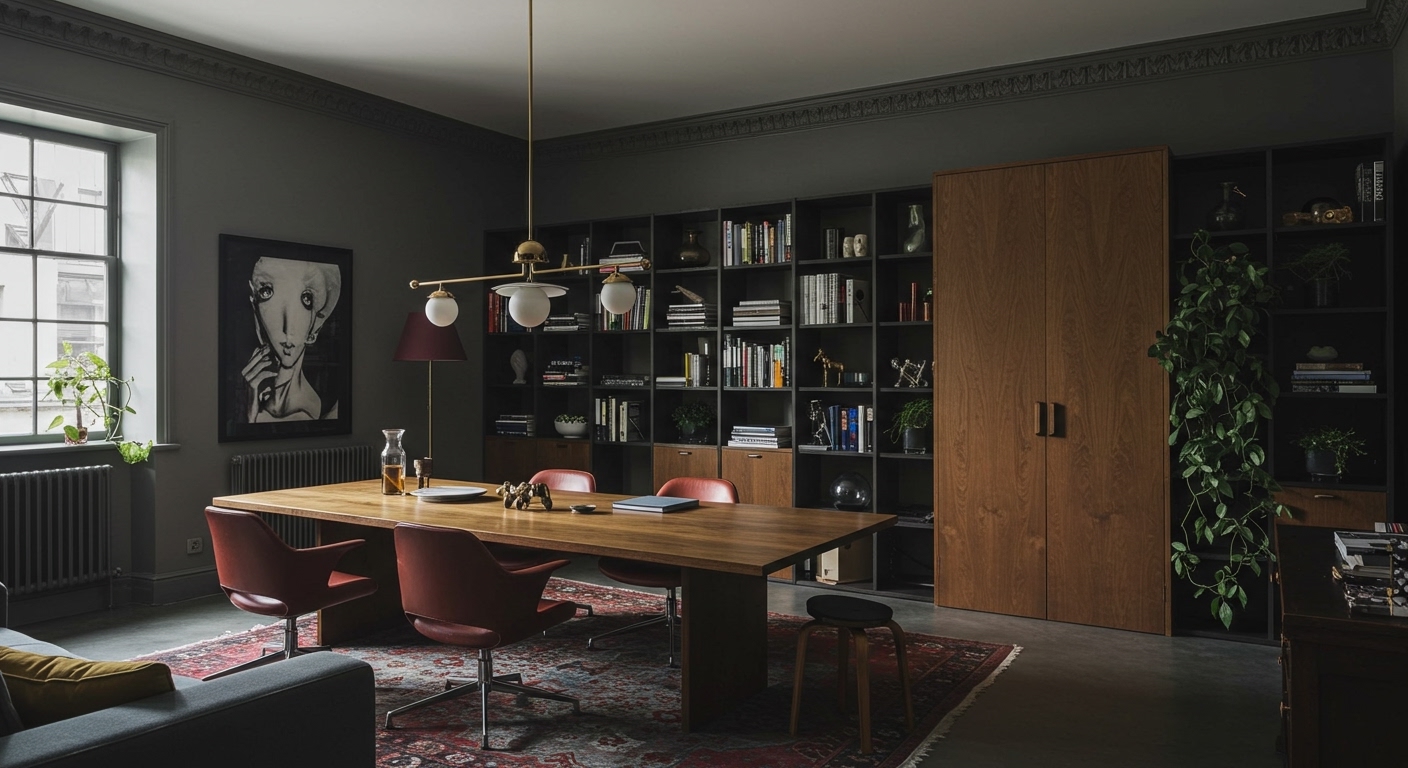
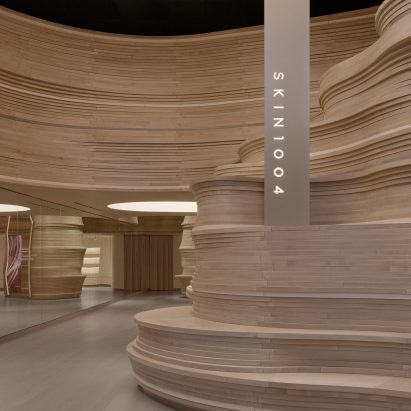
LMTLS Architecture’s design for the SKIN1004 flagship in Soho exemplifies this by carving a steep canyon of wooden layers through the store. This “gorge” creates immediate spatial tension and directs human flow in a singular, non-negotiable path, transforming a typical long, narrow New York retail space into a distinctive journey. Mainstream industry opinion often prioritizes flexibility and adaptable systems in commercial interiors, believing that mutable spaces offer long-term value. This perspective overlooks a growing client demand: an unwillingness to compromise on a signature, unyielding spatial narrative. The fixed, architecturally integrated nature of the wooden gorge, which resists easy reconfiguration, is precisely what gives it its potent, tactile identity and memorable impact.
This move toward definitive, unyielding spatial character marks a departure from transient aesthetics. Such bespoke interventions, demanding complex fabrication and precise material integration, solidify a brand’s presence in a way that adaptable, often generic, schemes cannot. By mid-2027, luxury brands and discerning clients will consistently commission spaces that embed their identity through permanent, architecturally defining elements and specific material tensions, rather than relying on surface-level decor.
The primary resistance to this trend comes from the conventional commercial real estate model, which often favors neutral tenant fit-outs and easy turnover. Landlords and developers frequently push for minimalist “white box” spaces, seeing them as universally appealing and cost-efficient for future leases. This approach, however, often results in interiors that lack distinct tactile quality, offering little to no spatial tension and failing to create a memorable human flow or experience. Such generic spaces commodify interior design rather than elevating it.
Interior professionals should now prioritize defining the single, most impactful spatial gesture or material contrast that embodies a client’s unique narrative. This means moving beyond mood boards to develop early-stage material and spatial prototypes that test tactile quality and human interaction. Consider how specific textures or a single, bold structural element can dictate flow and emotion within a space, rather than layering multiple independent decorative elements.
TL;DR
Specific, architecturally integrated materiality and spatial gestures now drive luxury interior identity.
Curated References

About this editorial — This piece was developed using AI-assisted research and curation across multiple industry sources. All analysis, opinions, and predictions represent the editorial perspective of JHDD. Sources are linked in the references section above.