JHDD Packaging Report — 2026.07.10
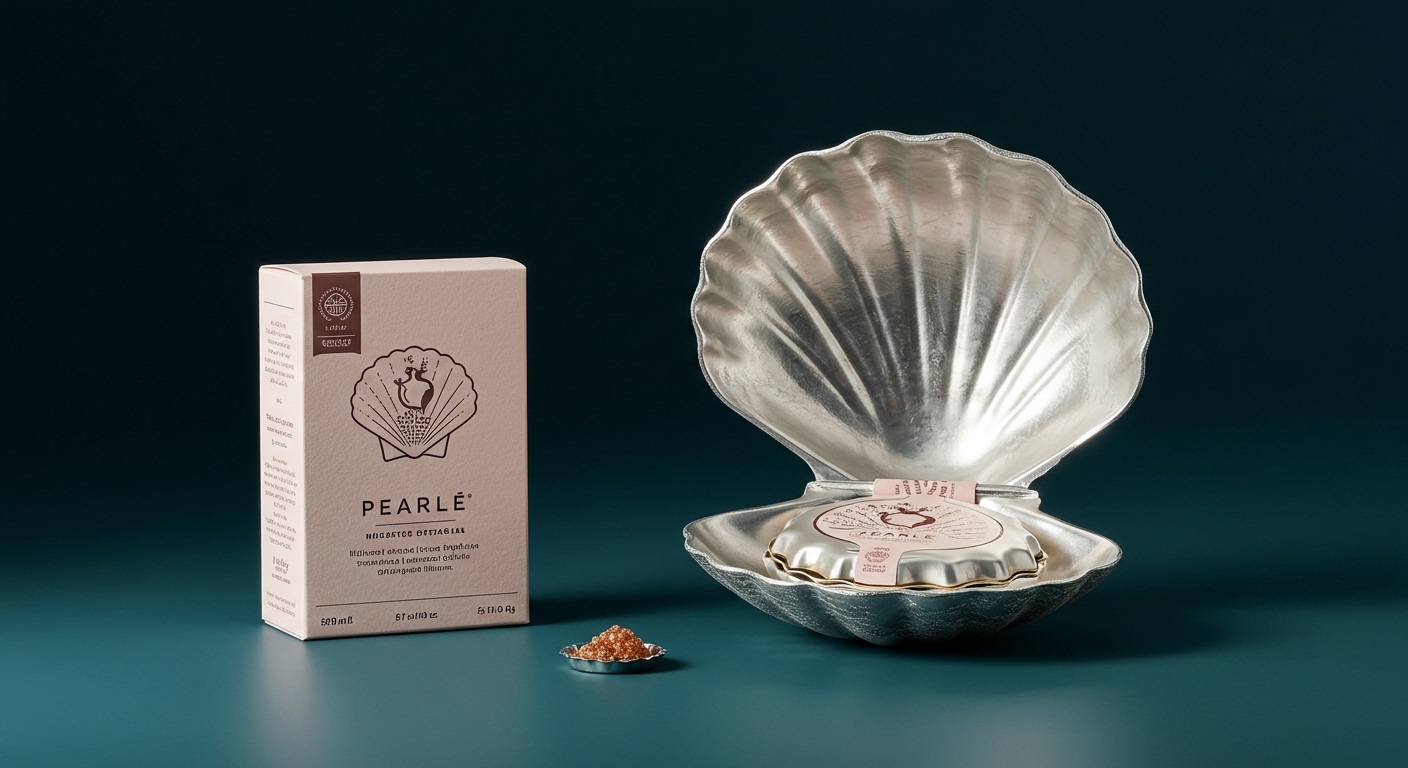
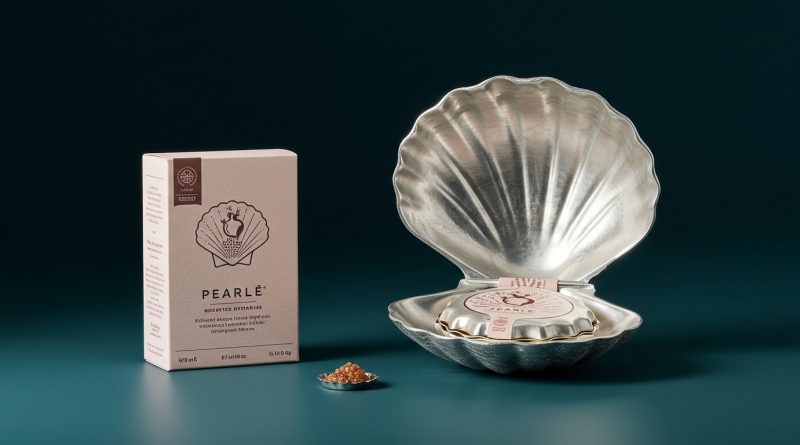
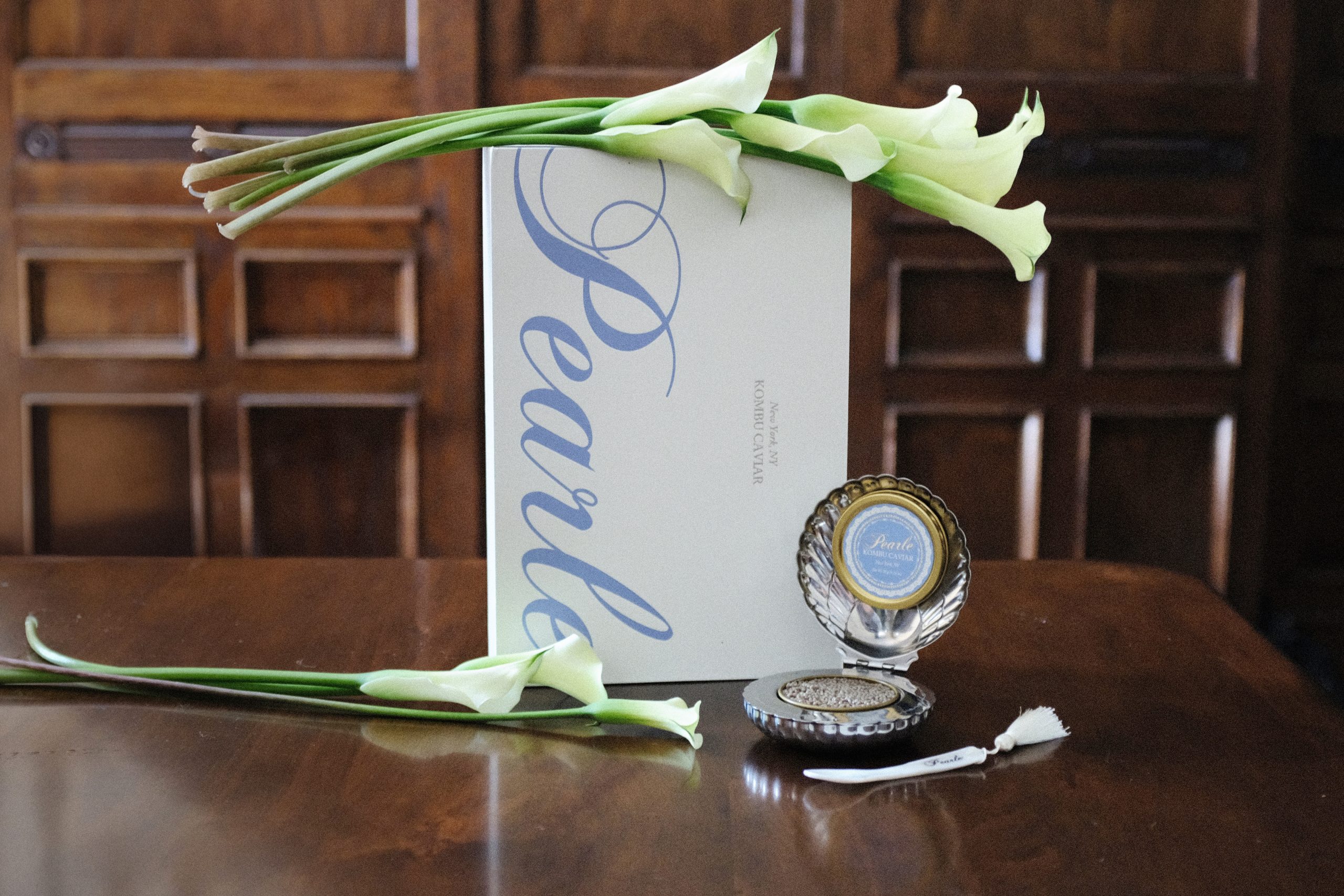
Pearle’s hinged silver scallop shell elevates plant-based caviar, trading category clichés for heirloom charm.
Across diverse sectors, packaging design is actively merging sensory delight with operational precision, demanding that aesthetic experiences directly communicate critical functional or sustainable attributes. Brands are deploying sophisticated visual and tactile strategies to convey not only product value but also a clear story about origin, efficacy, or environmental impact, moving beyond superficial appeal to embedded meaning.
Conventional wisdom often dictates that sustainable packaging must visually communicate its environmental credentials through minimalist aesthetics or raw, untreated materials. This perspective overlooks a fundamental driver of consumer adoption: aspiration. Sweety & Co’s design for Pearle, with its powder blue labeling and romantic script, demonstrates that a luxurious unboxing experience, far from being antithetical to sustainability, can be a powerful catalyst. When a plant-based product like Pearle receives an identity worthy of high-end indulgence, it reframes sustainable choices as desirable upgrades rather than compromises. This premiumization of sustainable options is critical for shifting market demand. Expect to see, by late 2027, an exponential increase in high-end sustainable packaging, deliberately designed for a sophisticated, tactile unboxing, challenging the “eco-brown” aesthetic across luxury food and cosmetic segments.
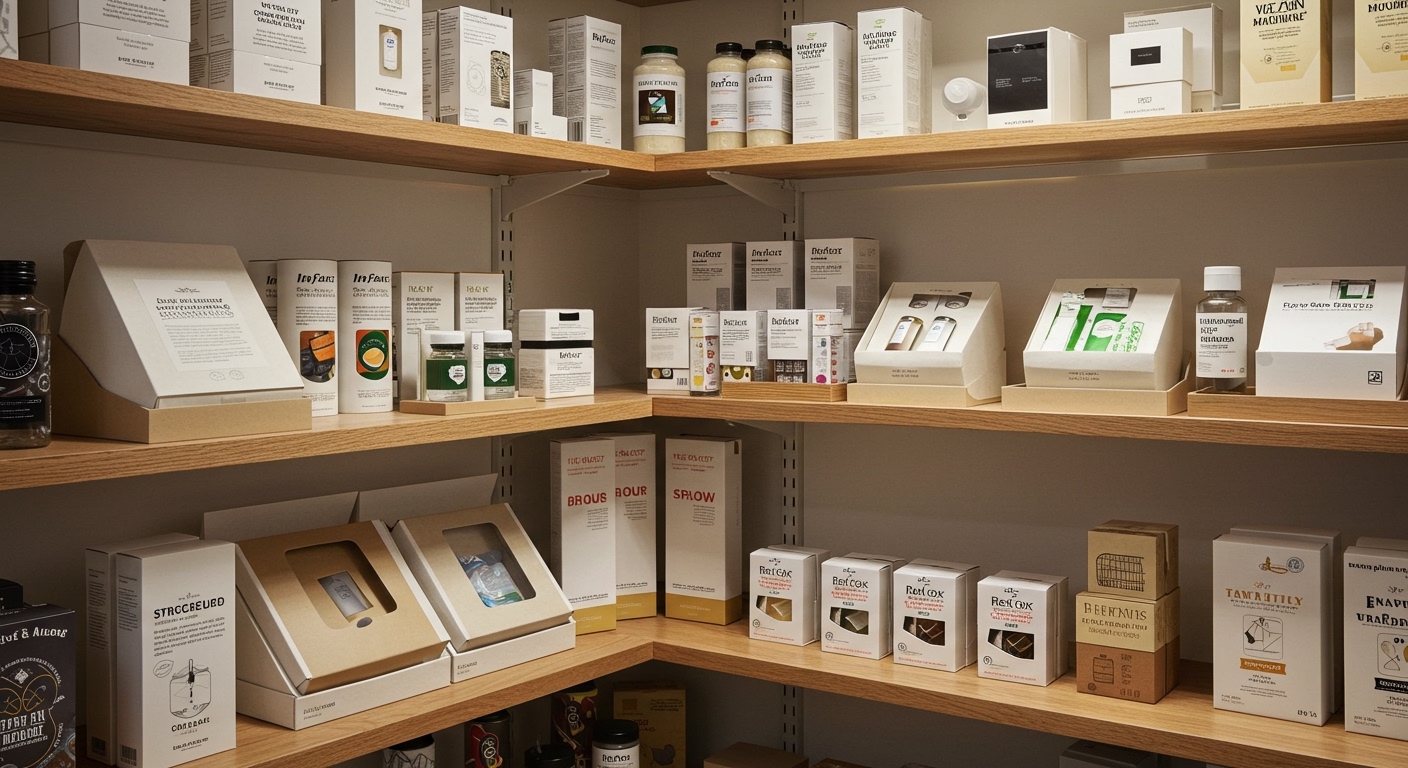
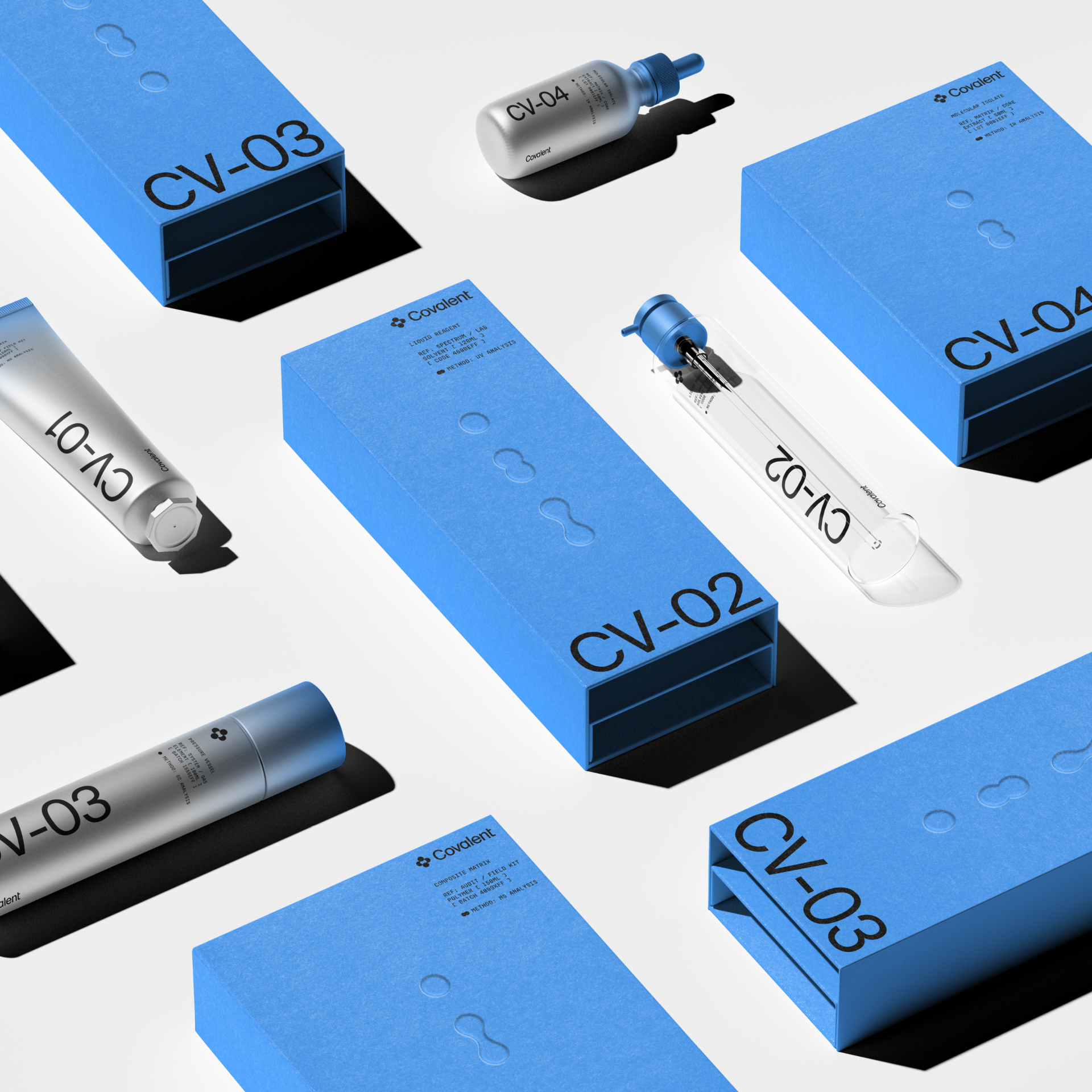
Similarly, Obrazur Brands’ work for Covalent, transforming scientific precision into shelf appeal with specimen-coded silver tubes and monospaced typography, underlines how specific tactile and visual cues build trust and communicate value. The choice of materials and typefaces moves beyond mere branding; it is a direct translation of the brand’s core ethos into a physical experience. This integrated approach contradicts the idea that packaging’s primary role is simply protection or decoration; it functions as a primary interface for information and reassurance. Within two years, brands will increasingly embed micro-textural patterns and haptic coatings that communicate material composition or recyclability instructions through touch, creating a new layer of transparent consumer engagement.
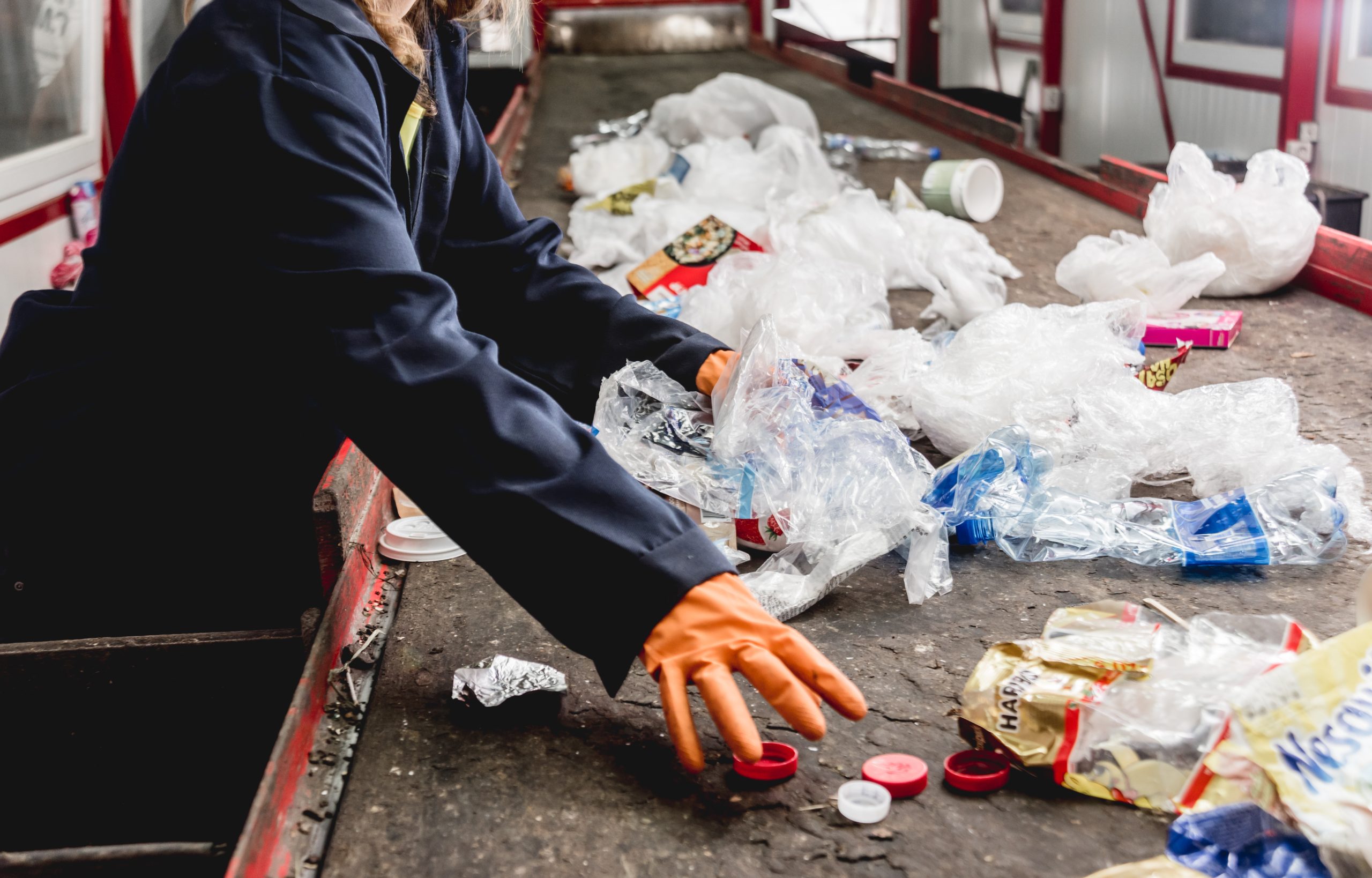
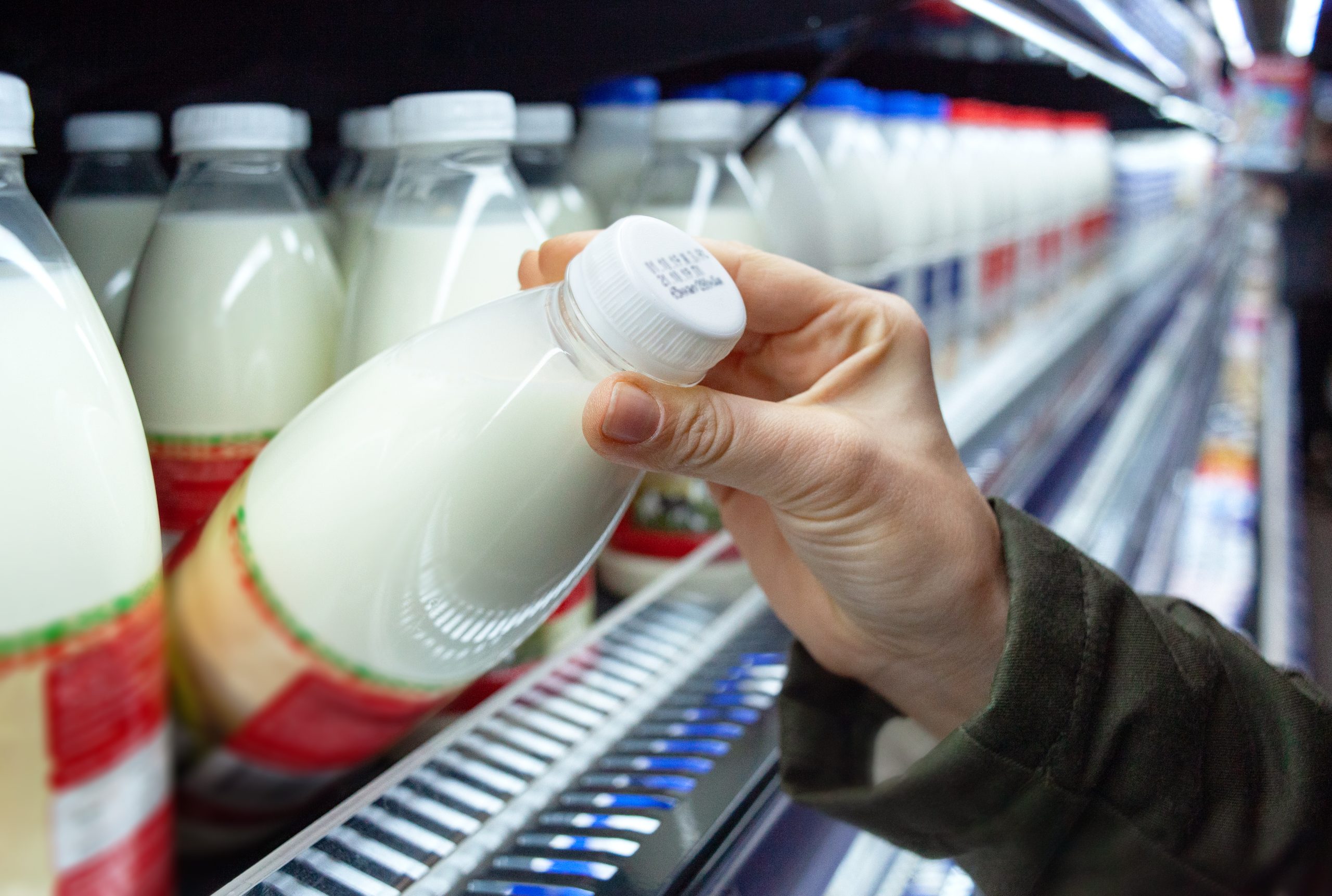
The primary opposing force to this integrated design evolution comes from entrenched manufacturing processes and cost-optimization models that prioritize material cost over holistic brand communication and consumer experience. Flexible plastic films, as highlighted by the InFact project, represent a significant technical challenge precisely because their complex, multi-layered structures are optimized for cost and performance at the expense of end-of-life considerations, reinforcing a system that struggles with circularity.
A working packaging professional should this week audit their current projects for “tactile transparency.” This involves examining whether the material choices, surface finishes, and structural design elements inherently communicate key product attributes, such as naturalness, efficacy, or recyclability, without reliance on explicit text or secondary labels. The goal is to design packaging where the physical object itself is an intuitive, multi-sensory data point.
TL;DR
Packaging must combine luxurious sensory experiences with transparent, actionable sustainability data.
Curated References
About this editorial — This piece was developed using AI-assisted research and curation across multiple industry sources. All analysis, opinions, and predictions represent the editorial perspective of JHDD. Sources are linked in the references section above.