JHDD Branding Report — 2026.07.09
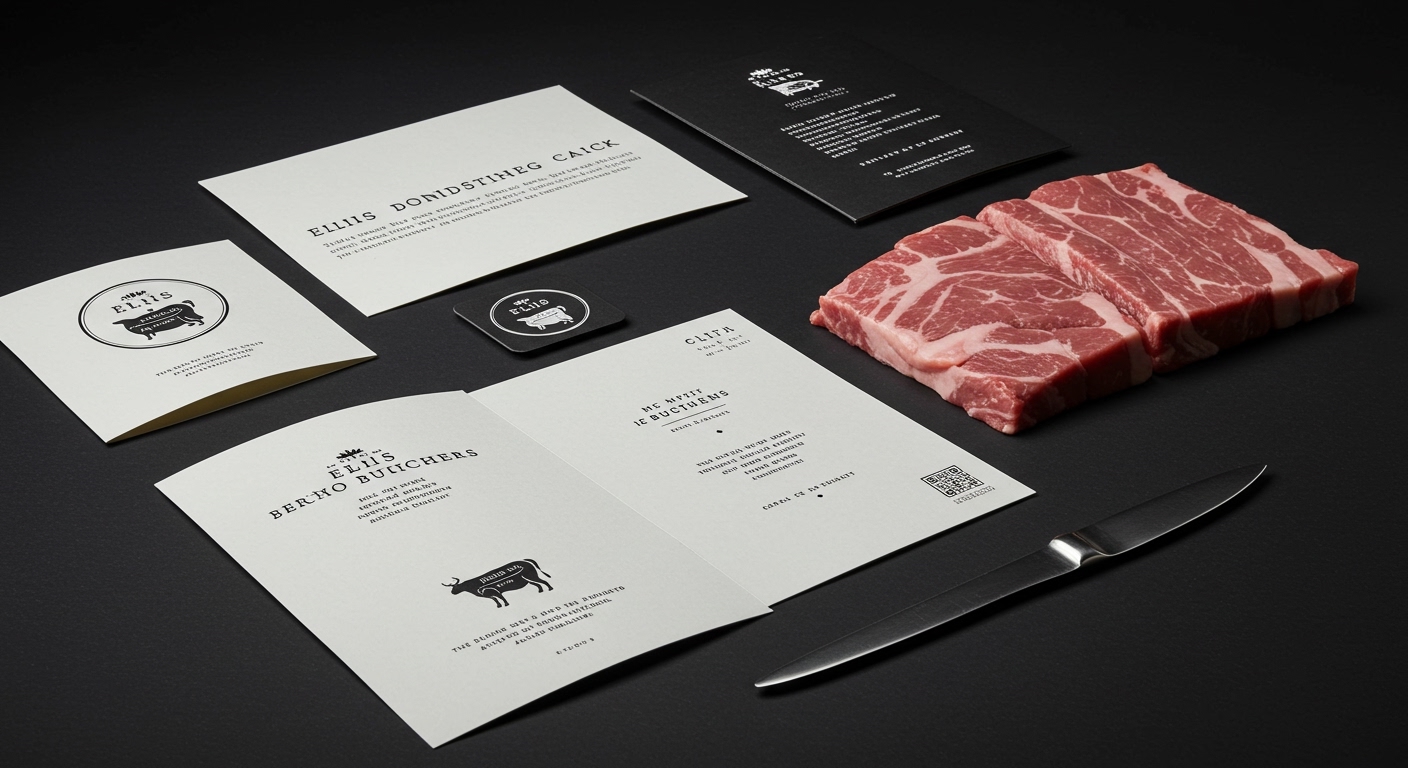
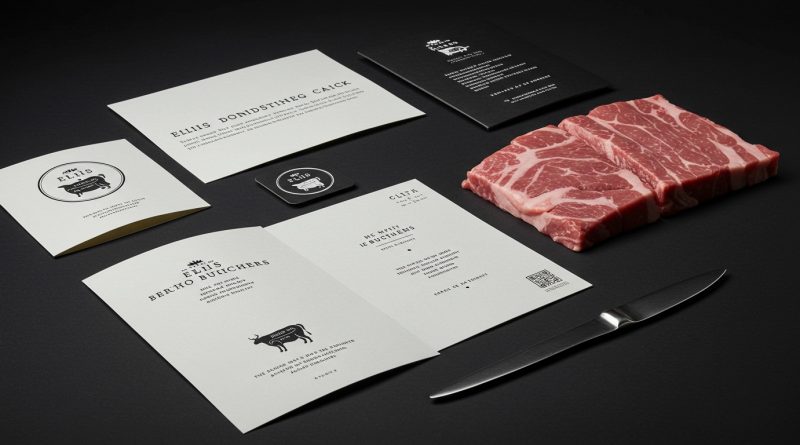
Studio Blackburn’s branding for Ellis Butchers achieves an unlikely warmth despite being unflinchingly carcass-centric.
This observation reflects a broader strategic shift: successful brand identities are increasingly found not in universal appeal, but in the specific, the real, and sometimes the comfortably uncomfortable. Agencies are moving past generic aspirationalism to root brand equity in tangible realities, transforming perceived weaknesses or functional specifics into distinct cultural signals. This approach directly challenges the instinct to sanitize or broaden a brand’s message, instead crafting identities that resonate deeply by being unapologetically true to their core.
Consider Studio Blackburn’s work for Ellis Butchers. Conventional branding wisdom often dictates that a butcher shop should project freshness, cleanliness, and perhaps a rustic charm, carefully avoiding the rawer aspects of its trade. Yet, Studio Blackburn embraced the “whole-carcass” reality, designing an identity that is both authentic and deeply appealing, even to someone initially repulsed by the concept. This contradicts the mainstream industry opinion that brands must always smooth out edges to broaden market acceptance. Instead, by leaning into the specific, visceral truth of the business, Studio Blackburn created a powerful, memorable visual identity system that generated genuine affection, defying the expected squeamishness. The brand’s strong visual language becomes a cultural signal of transparency and artisanal pride, establishing a market position rooted in integrity rather than sanitized fantasy.
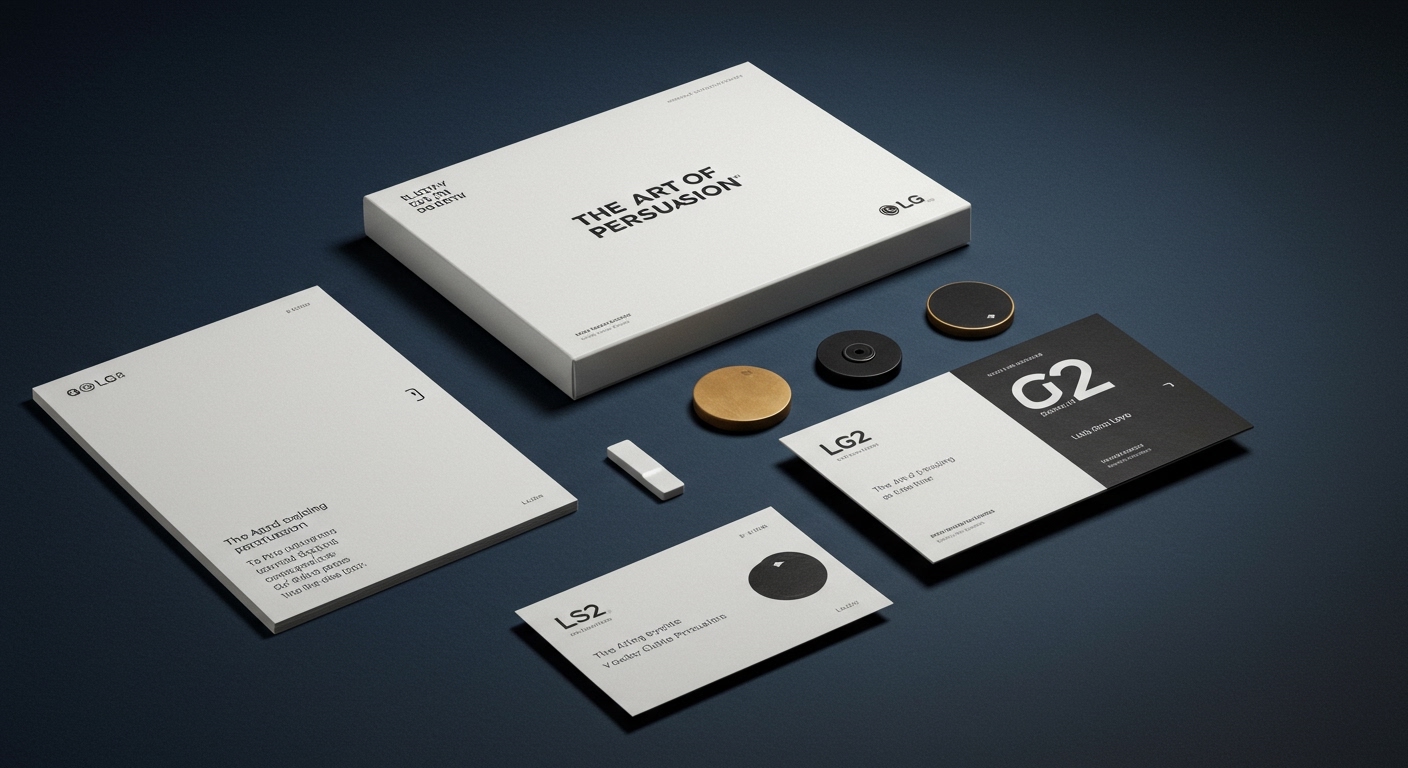
The market positioning for brands that choose this path differentiates them sharply from competitors who adhere to bland, inoffensive aesthetics. This strategy builds robust brand equity through honesty, fostering a deeper, more enduring connection with consumers who value integrity and authenticity in their purchasing decisions. Brands like Health Hut, with LG2’s subtle persuasion in its packaging, or Midnight Hotdog’s ‘dog fur mist’ by SMLXL, which celebrates irreverent specifics through a joyful visual identity, exemplify this trend. Such an approach enables clear differentiation. Within two years, brands that bravely articulate their unique, sometimes challenging, truth through their visual identity systems will see significantly higher engagement and loyalty metrics, translating directly into stronger brand equity and market resilience compared to those that aim for generalized appeal.
The primary resistance comes from risk-averse marketing departments and brand gatekeepers who prioritize immediate, wide-scale acceptance over long-term, deep-seated brand affinity. Their fear of alienating any potential customer often leads to homogenized visual identities and diluted messaging, rendering brands indistinct and forgettable in a crowded market. This creates a “wallpaper” effect, where many brands blend into the background, sacrificing cultural signals for perceived safety. Such a stance prevents a brand from establishing a unique market position, ultimately hindering the development of meaningful brand equity, much like Lebara before Verve’s intervention clarified its semantic identity and visual presence.
A working Branding professional should actively challenge clients to identify and visually express the most unique, even controversial, aspects of their product or service. This involves unearthing the “ugly truth” or the “odd detail” that makes a brand genuinely different, rather than glossing it over, and then strategically integrating it into the core visual identity system and messaging.
TL;DR
Brands gain equity and cut through market noise by embracing specific, authentic truths, not by seeking broad, generic appeal.
Curated References
About this editorial — This piece was developed using AI-assisted research and curation across multiple industry sources. All analysis, opinions, and predictions represent the editorial perspective of JHDD. Sources are linked in the references section above.