JHDD Packaging Report — 2026.07.09
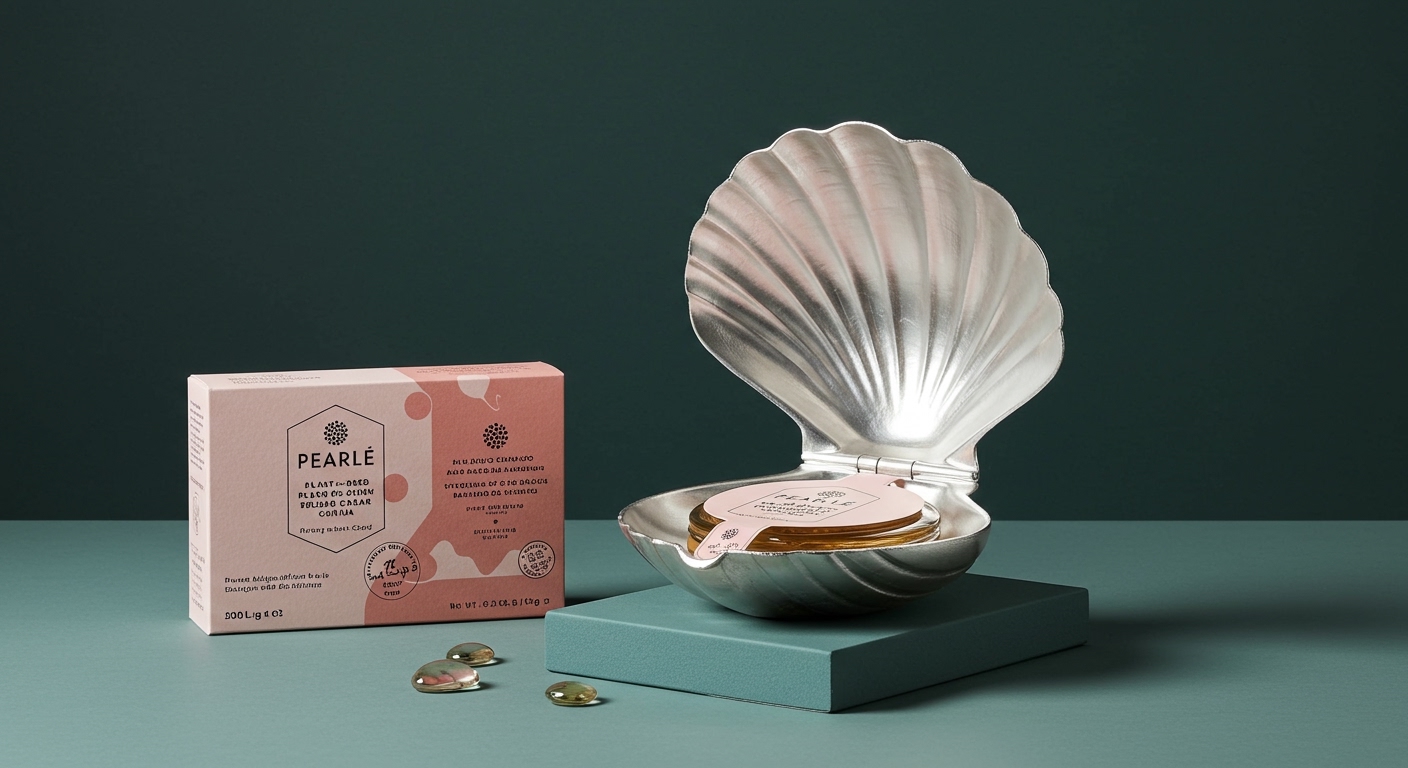
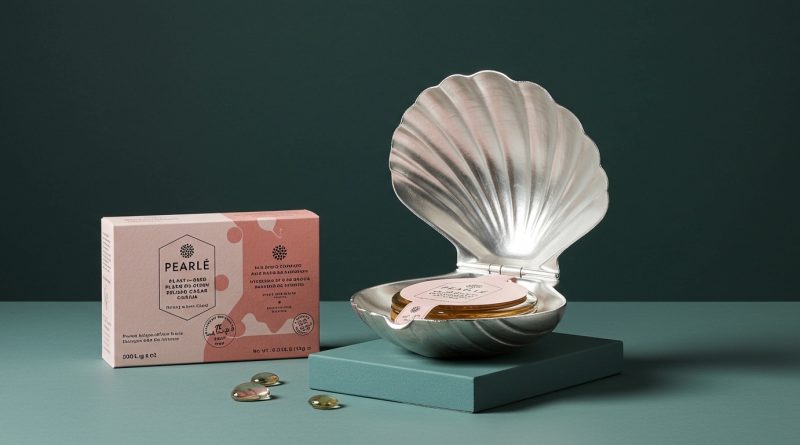
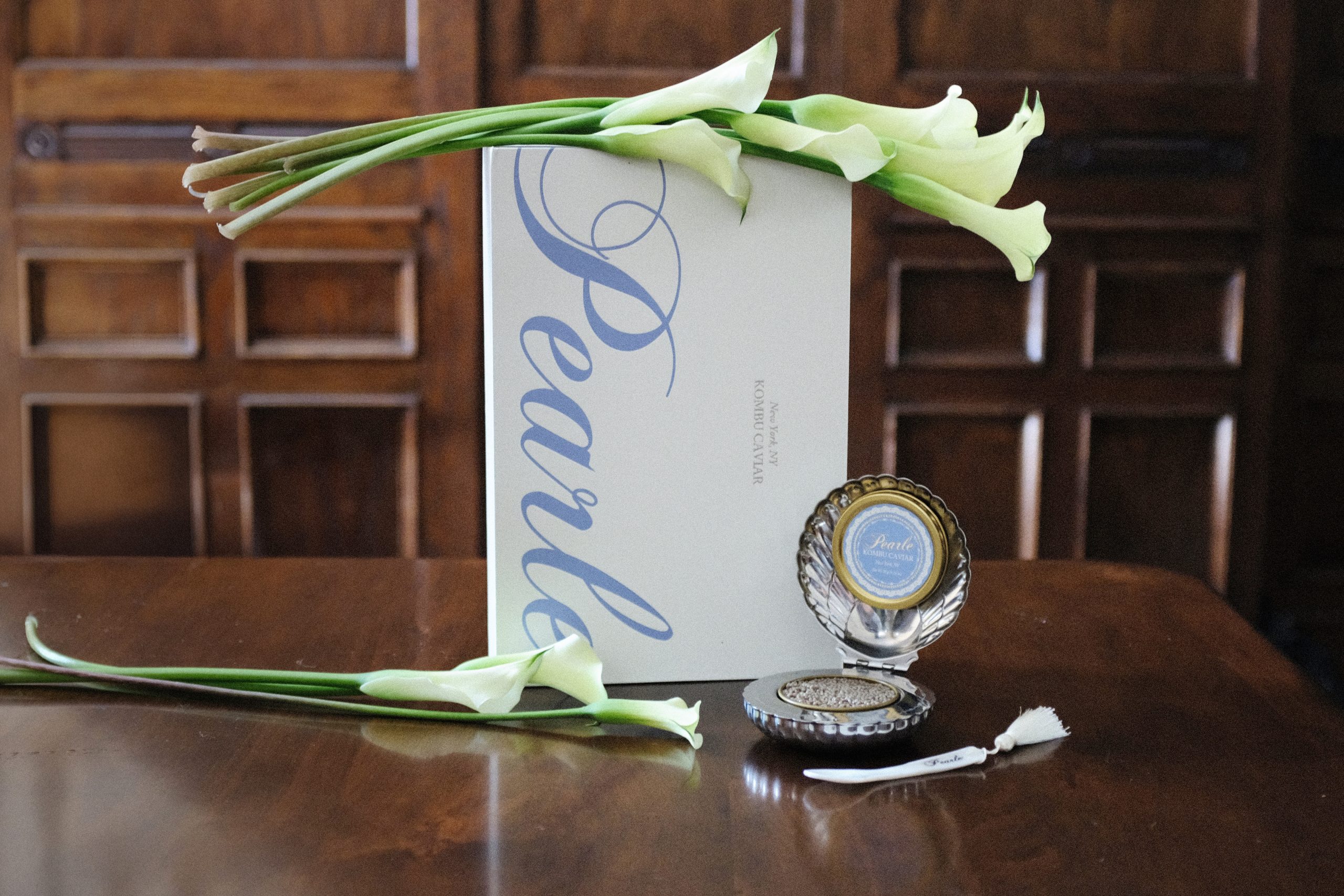
Pearle, a plant-based caviar, received packaging from Sweety & Co that features a hinged silver scallop shell, an unexpected departure from category clichés.
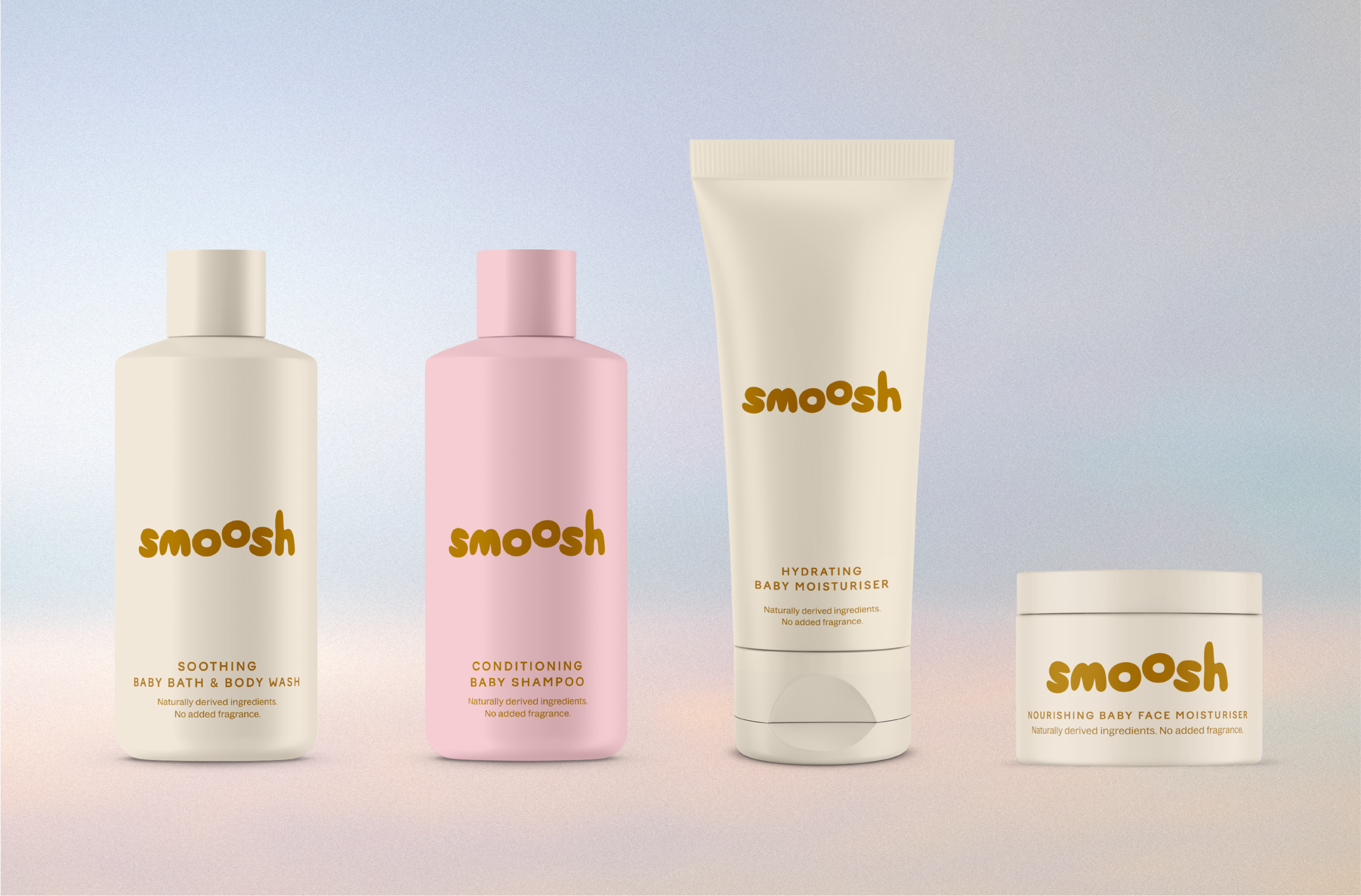
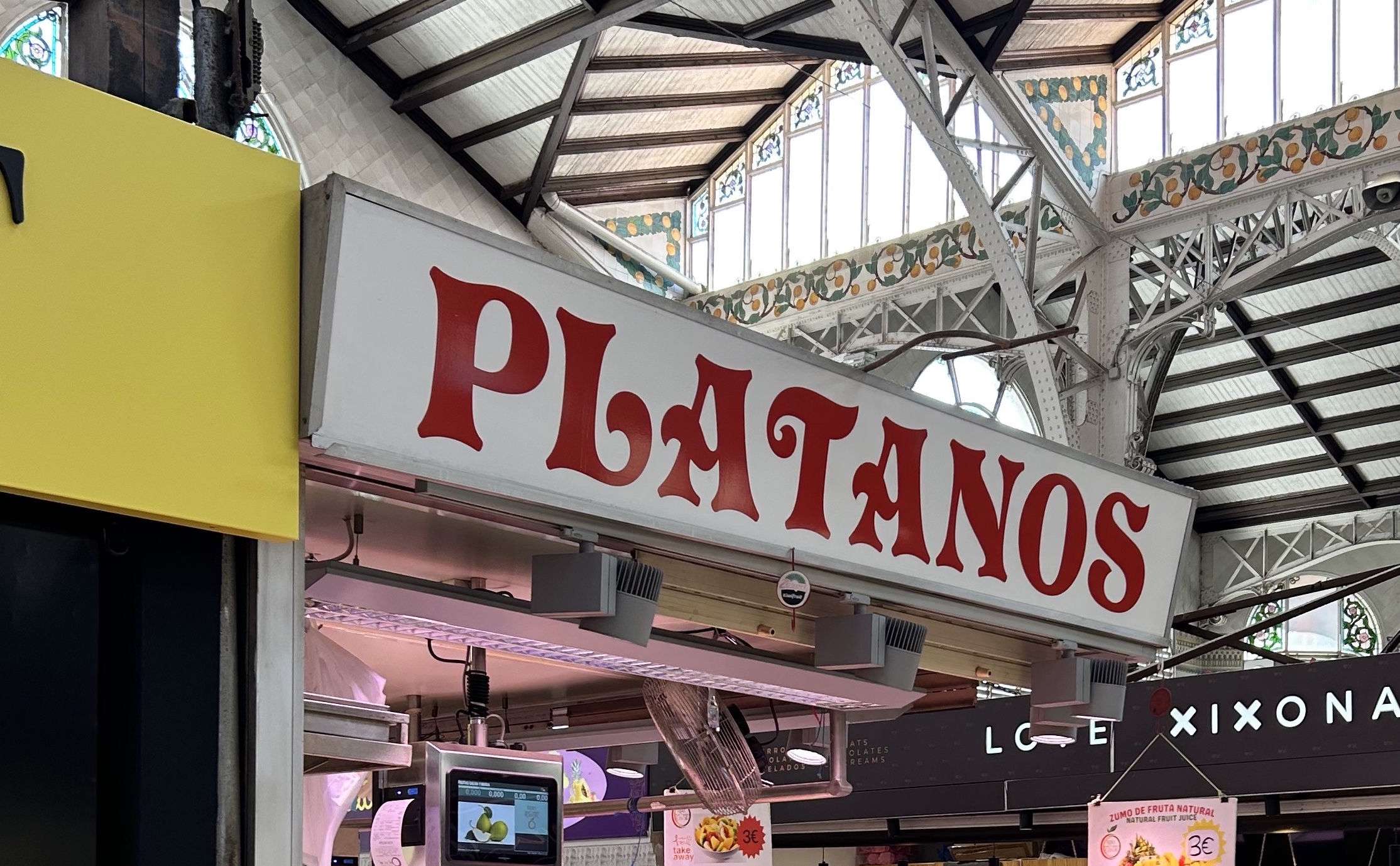
This design strategy exemplifies a growing pattern where brands are actively subverting established visual and tactile norms across diverse product categories. From Smoosh’s custom lettering and calm tonal bottles disrupting baby care aesthetics to the custom font treatments for Wendy’s, design intelligence is being deployed to create distinctive identities that challenge consumer expectations for shelf impact and unboxing experiences. These efforts aim to cultivate a deeper, more memorable connection beyond mere product containment.
The design for Pearle, with its heirloom charm and reusable shell, offers a compelling counterpoint to mainstream industry opinion which often prioritizes minimalist, easily disposable solutions as the sole path to sustainable packaging. While material reduction and recyclability are crucial, an equally potent form of sustainability lies in designing packaging that consumers genuinely wish to keep and reuse. Sweety & Co’s approach for Pearle suggests that an investment in durable, aesthetically pleasing, and tactilely rich packaging can elevate a product to an object of desire, extending its lifespan in the consumer’s home and deferring its entry into the waste stream. Such designs foster an unboxing experience that encourages retention, transforming packaging from a transient necessity into a cherished item.
This shift indicates a move towards packaging as a valuable possession rather than a disposable wrapper. By mid-2028, JHDD expects to report a 20% increase in packaging concepts for premium consumables that are explicitly designed for secondary, long-term decorative or functional use within the home, moving beyond simple recycling initiatives.
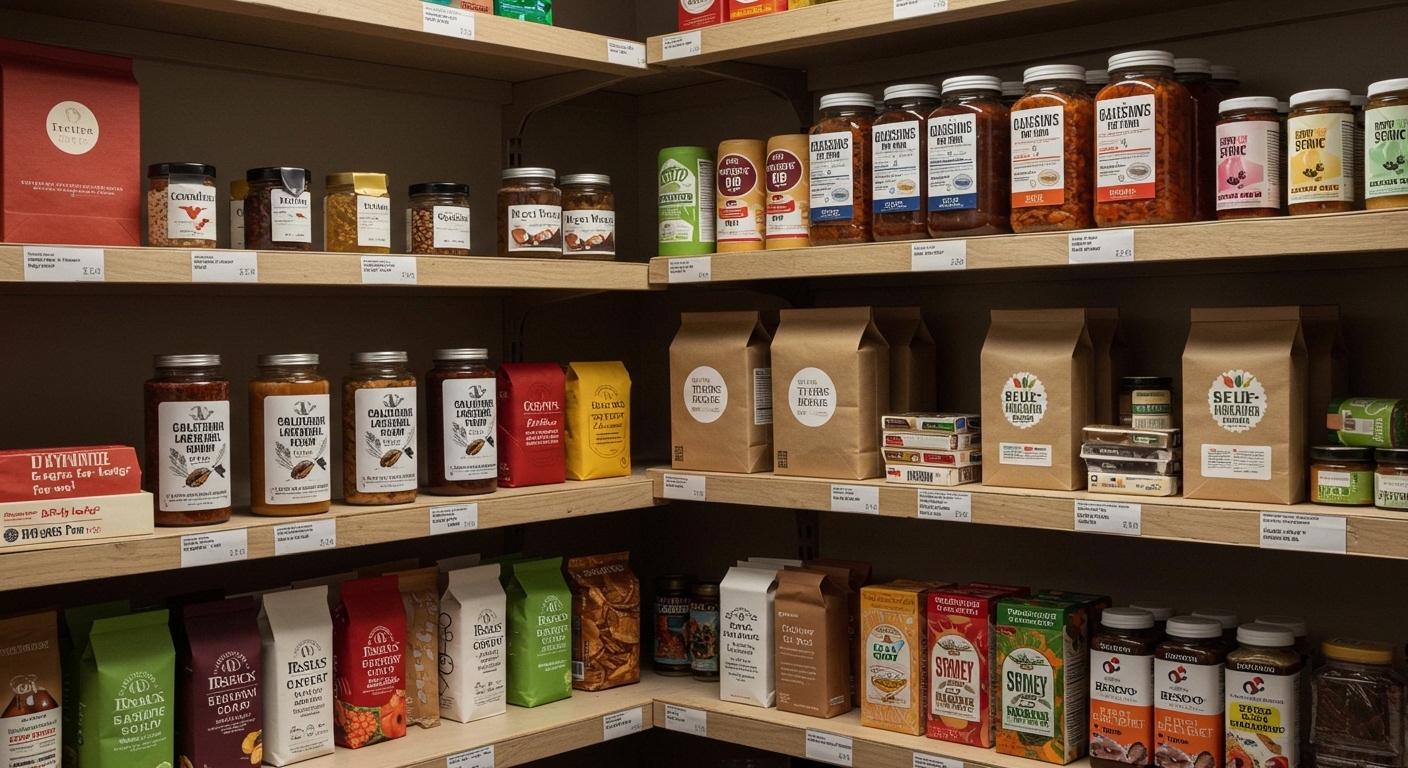
This movement faces considerable resistance from established large-scale manufacturing and distribution channels, which typically prioritize uniform, cost-efficient, and easily mass-produced solutions. Traditional CPG brands, with their deep-seated reliance on instantly recognizable category codes and supply chain inertia, often view deviations into highly customized, reusable, or keepsake packaging as an added complexity and cost rather than a sustainable value proposition. The focus remains on maximizing throughput and minimizing unit cost, which conflicts with the slower, more considered lifecycle of cherished packaging.
A packaging professional should this week identify one product line that could benefit from a packaging component designed for secondary use or display. This involves a tangible upgrade in material quality, tactile finish, or aesthetic appeal, ensuring it is desirable enough to be retained by the consumer rather than immediately discarded. This is not about adding more material, but about re-engineering existing components for enduring value.
TL;DR
Packaging design is evolving to create cherished, reusable objects that deepen consumer engagement and redefine sustainability.
Curated References
About this editorial — This piece was developed using AI-assisted research and curation across multiple industry sources. All analysis, opinions, and predictions represent the editorial perspective of JHDD. Sources are linked in the references section above.