JHDD Interior Report — 2026.07.07
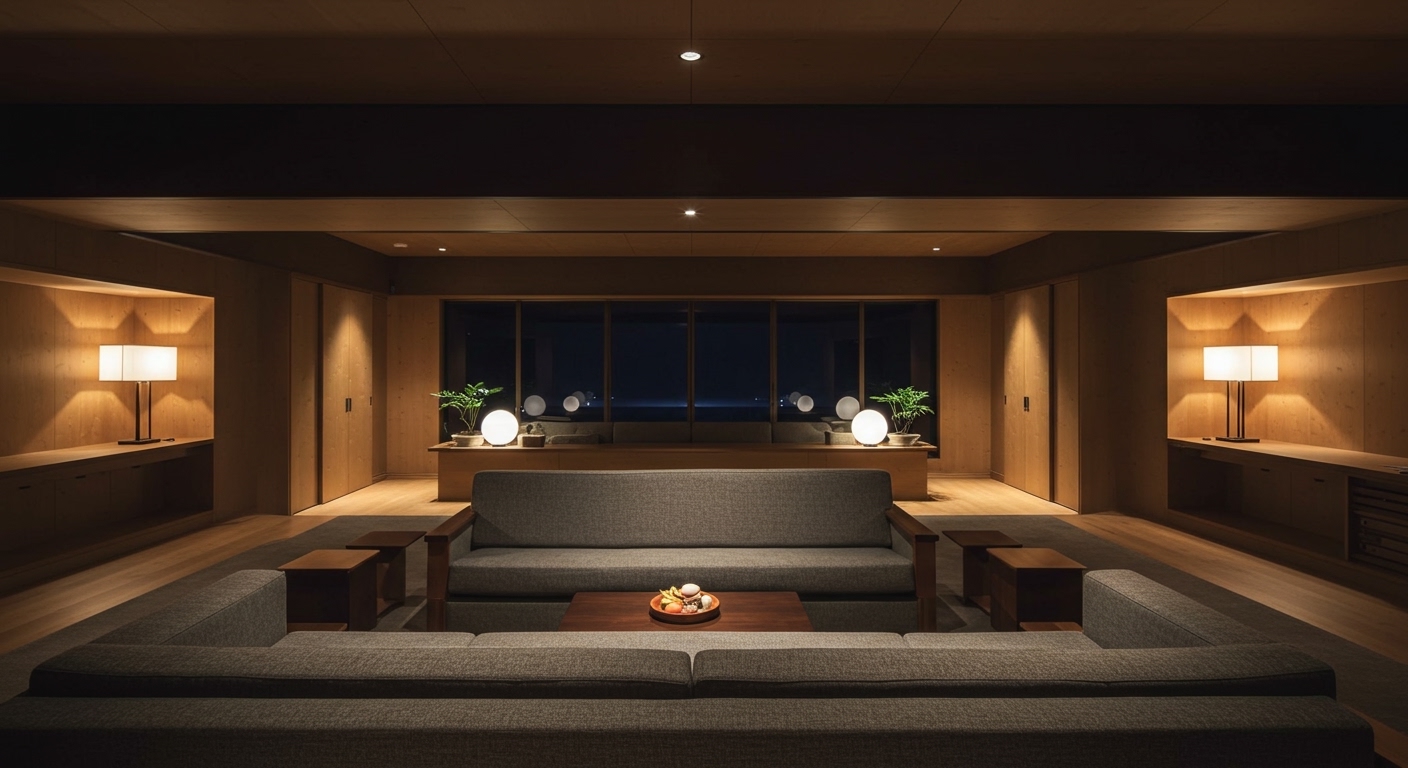
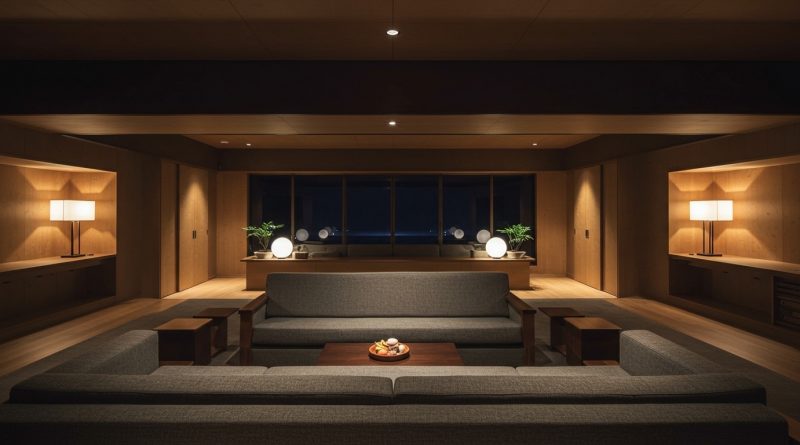
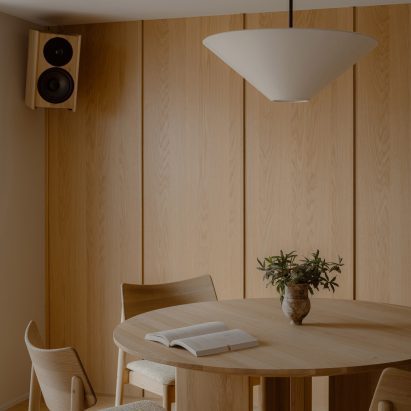
Keiji Ashizawa’s design for Tomi Ginza, an eight-room hotel in Shintomicho, focuses on creating the intimate feeling of staying at the home of a tasteful friend.
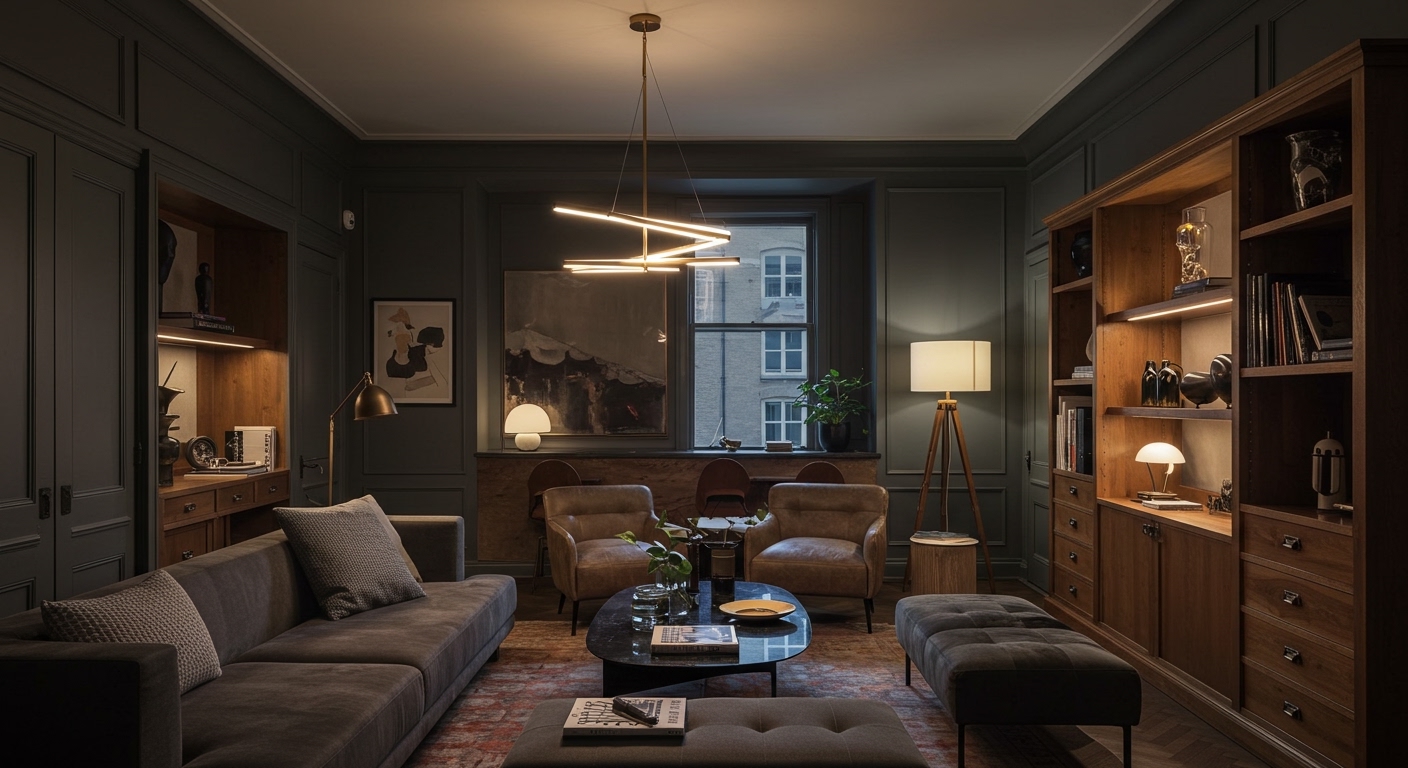
This approach reflects a subtle but persistent shift where designers are now explicitly orchestrating deep, personal resonance within public and commercial settings. It moves beyond merely comfortable aesthetics, instead crafting spaces that simulate specific emotional states typically associated with private life or significant cultural narratives. This phenomenon manifests through calculated material choices, deliberate spatial tension, and guided human flow, rather than relying on overt branding or maximalist statements. From Jasmine Fisher’s transformation of a stark London office into a characterful, layered studio to Open Studio’s gigantic fibreglass “half-dipped dumpling” lamp beckoning visitors into Dumpling Darlings, a common thread emerges: an intentional manipulation of scale and sensory experience to provoke specific, often unexpected, emotional responses.
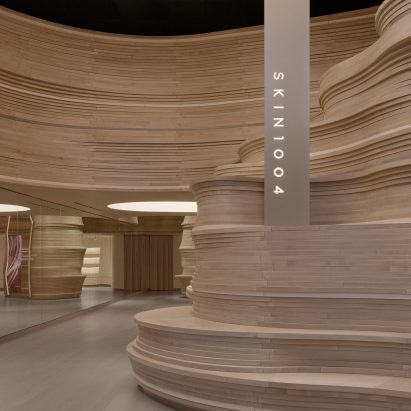
The popular notion that commercial spaces should simply be “inviting” or “comfortable” often misses the sophisticated layering at play in projects like SKIN1004’s Soho flagship by LMTLS Architecture. While many see the “gorge” of wooden layers as a dramatic aesthetic gesture, its true function lies in actively disrupting expected movement patterns. Mainstream opinion frequently praises such features for their visual novelty, yet this overlooks the calculated friction they introduce to foot traffic and visual focus. This deliberate spatial tension forces occupants to slow down, to navigate, and thus to process the retail environment with heightened sensory awareness, rather than just pass through it. This is not about efficiency; it is about controlled deceleration, drawing occupants into a more deliberate engagement with the space and its offerings through a tactile journey.
This engineered experience contradicts the conventional wisdom that retail interiors should prioritize ease of access and clear sightlines above all else. Designers who facilitate effortless, frictionless navigation often inadvertently create forgettable spaces. By contrast, Debaixo do Bloco Arquitetura’s installation in Oscar Niemeyer’s Bienal Pavilion, evoking the “Experience of Brasília” through pilotis and curved surfaces, similarly imposes a specific narrative and movement, guiding visitors through a curated interpretation rather than allowing free, unguided exploration. This insistence on a particular journey, sometimes even a physically demanding one, challenges the passive consumption model of interior experience. By early 2028, this strategic application of spatial impedance will become a recognized differentiator for luxury retail and hospitality, moving beyond mere visual spectacle to dictate specific, slowed-down human flows that deepen product interaction and emotional connection.
This calculated intimacy and deliberate friction directly opposes the pervasive demand for streamlined, hyper-efficient commercial environments. This demand is often driven by metrics that prioritize throughput and rapid consumption over qualitative engagement. Large-scale developers, fast-casual restaurant chains, and corporate fit-out projects, typically focused on quantifiable ROI from footfall, speed of transaction, and maximizing occupancy, generally resist designs that intentionally impede or redirect movement. They perceive such interventions as inefficient or even obstructive, favoring instead open plans and intuitive circulation that minimize perceived effort for the user.
Interior professionals should begin prototyping micro-interventions within existing projects that subtly alter established human pathways or introduce unexpected tactile surfaces. For instance, consider a door handle material that changes dramatically mid-pull, or a transition zone flooring that shifts texture and sound to prompt a pause, not just a visual marker. Observe and document the micro-behavioral responses to these moments of deliberate friction or unexpected tactility, focusing on how they change the user’s pace, attention, or interaction duration.
TL;DR
Strategic spatial friction and curated intimacy enhance engagement in commercial design.
Curated References

About this editorial — This piece was developed using AI-assisted research and curation across multiple industry sources. All analysis, opinions, and predictions represent the editorial perspective of JHDD. Sources are linked in the references section above.