JHDD Packaging Report — 2026.07.07
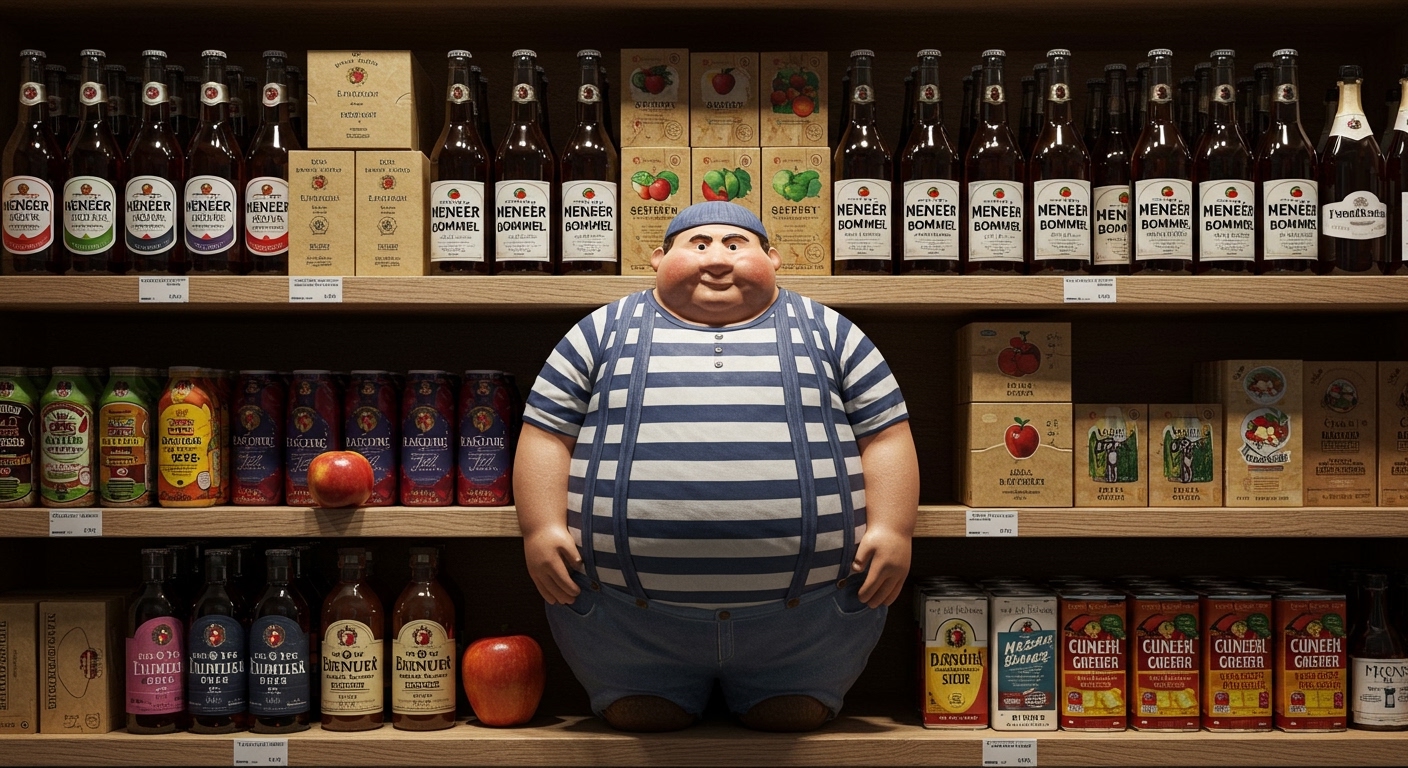
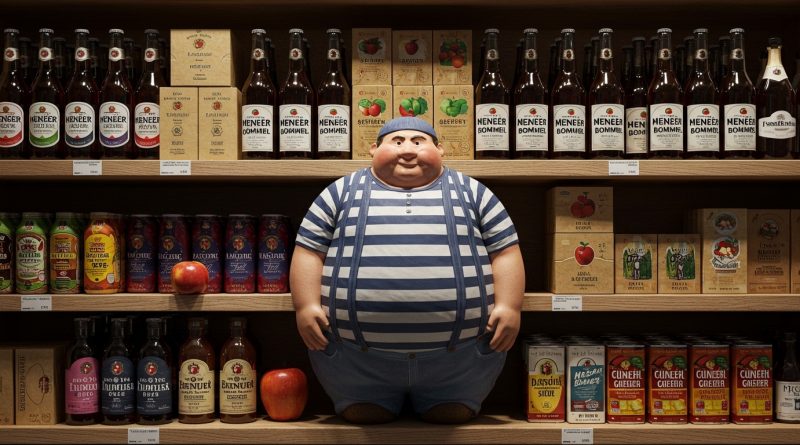
Meneer Bommel cider packaging features a round-bellied orchard dweller in a striped shirt, eschewing traditional polished aesthetics. This detail exemplifies a precise pattern connecting recent packaging developments: a deliberate move by brands to create hyper-specific, often idiosyncratic, visual and tactile identities that deeply resonate with consumers by defying category conventions. This trend prioritizes narrative and sensory experience over broad, generic appeal, even for products within established or commoditized markets.
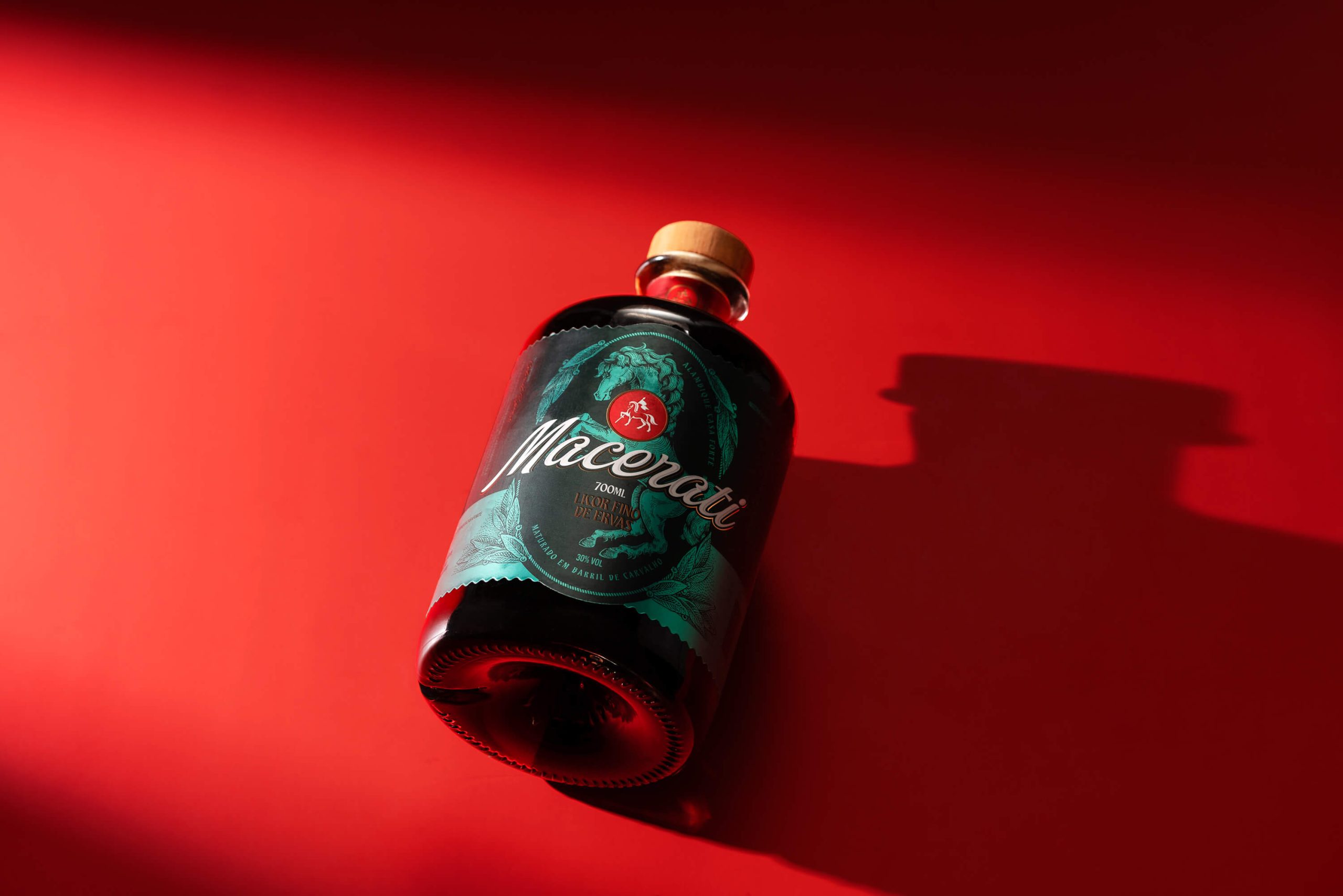
The Macerati brand, designed by Pictom Design, exemplifies this strategic approach. Its new Brazilian herbal liqueur is presented with a visual identity often reserved for century-old European spirits, complete with a rearing horse rendered in deep teal engraving and botanical motifs. This rich detailing is not merely decorative; it actively cultivates a “ritualized experience,” suggesting a deep, established narrative for a product new to the market. The packaging invites an engagement far beyond quick consumption.
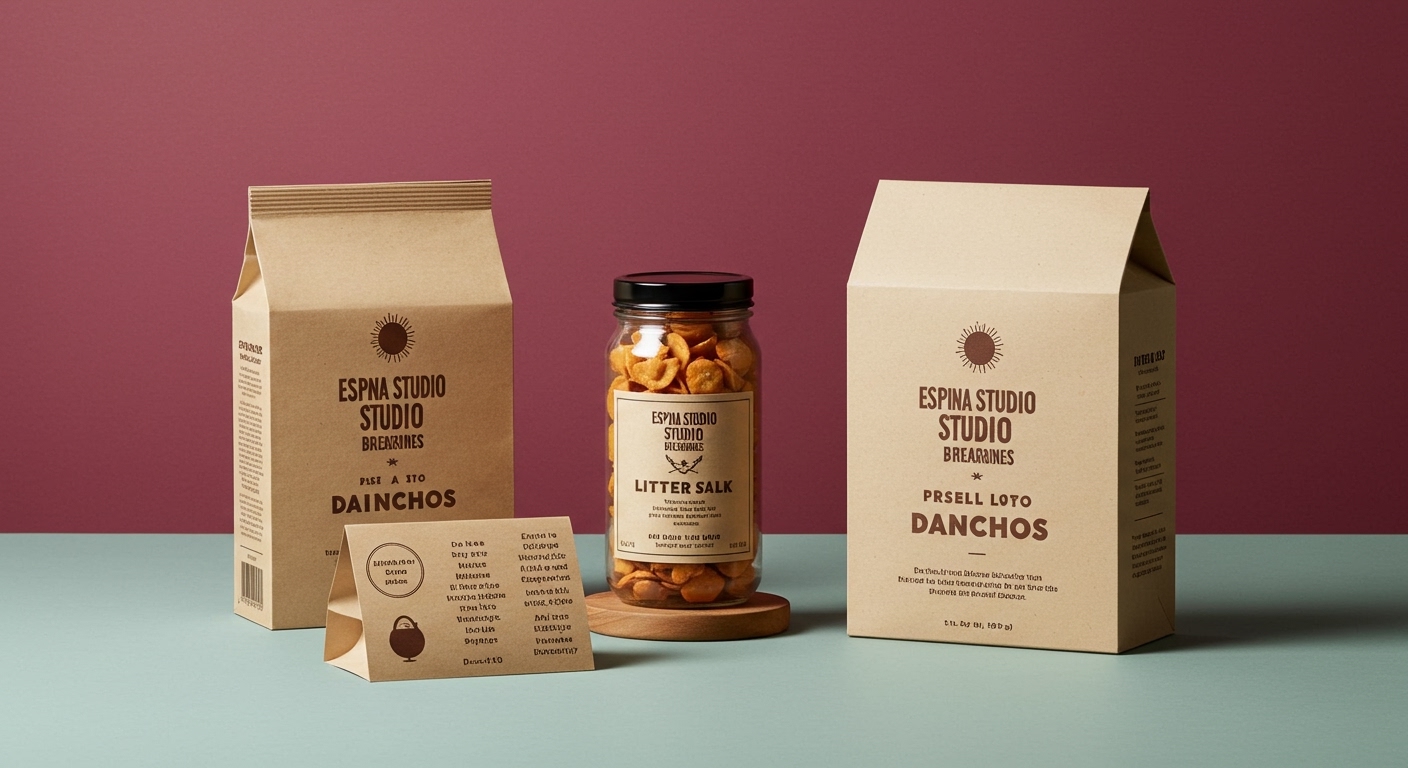
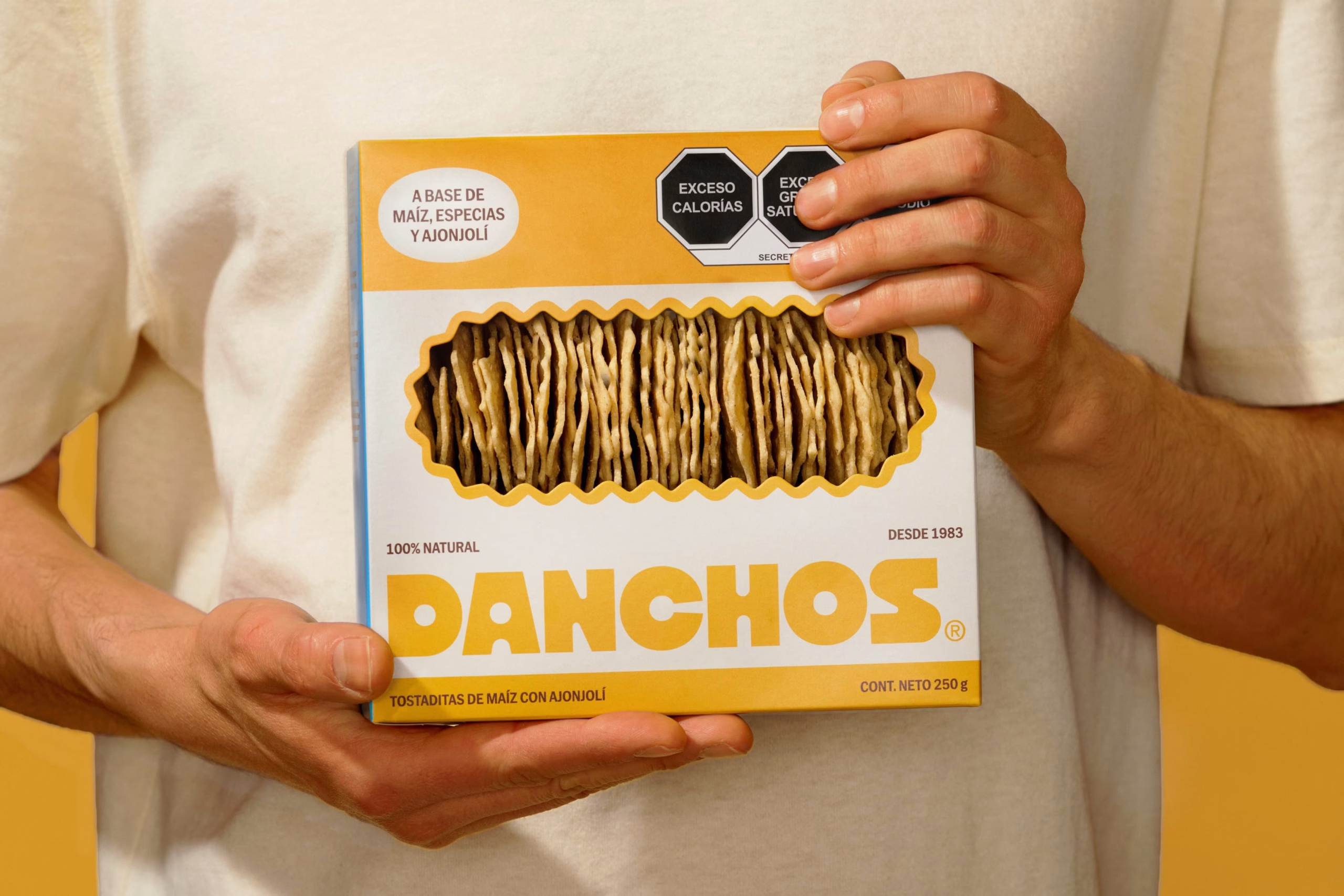
Conventional industry wisdom often advises new brands, especially in competitive spirit categories, to pursue either sleek minimalism or to broadly mimic popular luxury codes for rapid acceptance. However, Macerati demonstrates that constructing an intentional, fabricated heritage through highly specific, tactile, and visually dense packaging can foster greater perceived value and distinction. This approach prioritizes a singular, immersive brand story over generic market appeal. By mid-2028, more brands across diverse sectors, including staples like Danchos and Pirate’s Booty, will embrace this specificity, investing in deeply narrative-driven and multi-sensory packaging designs to stand out. These designs will not rely on traditional premium cues but on bespoke character.
The primary resistance to this highly specific and tactile-driven packaging often originates from marketing departments and large-scale retail buyers. Marketing teams frequently prioritize brand guideline adherence and immediate scalability, concerned that unconventional tactile choices could alienate broader consumer segments or complicate supply chain efficiencies. Retail buyers, in turn, often favor easily categorized, “proven” visual cues over experimental, narrative-driven designs that might challenge existing shelf layouts or consumer recognition patterns.
A working packaging professional should identify one sub-category within their current product portfolio and actively prototype a packaging concept that intentionally subverts its visual and tactile norms. This prototyping effort must focus on a specific, non-obvious sensory detail or an opening ritual that tells a unique brand story, utilizing material exploration beyond standard options to create distinct haptic feedback or visual textures.
TL;DR
Packaging design now succeeds by crafting highly specific sensory narratives that defy category norms.
Curated References


About this editorial — This piece was developed using AI-assisted research and curation across multiple industry sources. All analysis, opinions, and predictions represent the editorial perspective of JHDD. Sources are linked in the references section above.