
JHDD Web Design Report — 2026.07.04
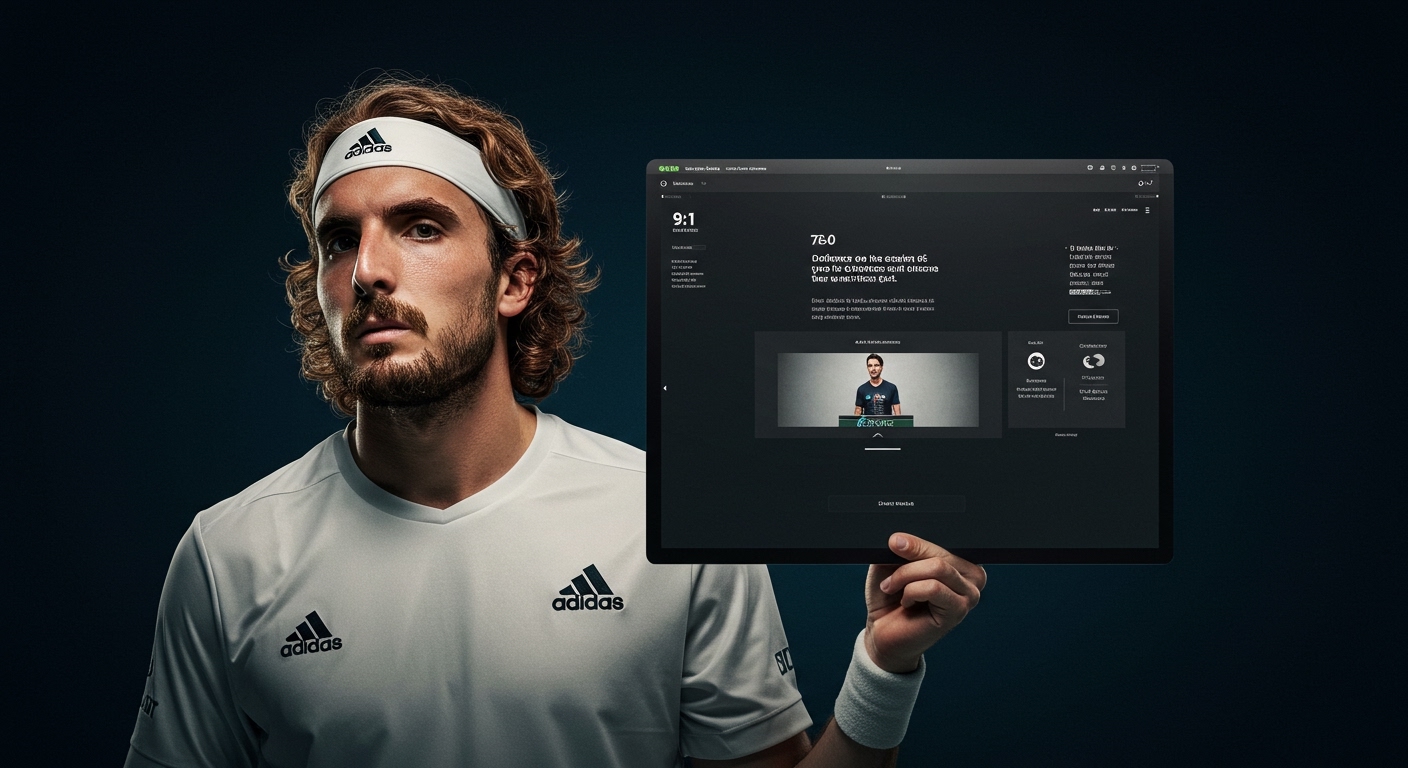
The digital character of Stefanos Tsitsipas, meticulously crafted through photogrammetry and WebGL optimization, demonstrates a distinct shift towards richer, GPU-driven web experiences. This individual project, alongside reports on WebGPU persistent page transitions and the expansion of CSS capabilities like Gap Decorations and the random() function, reveals a unified thrust toward a more sophisticated and performant client-side rendering environment. The modern web is rapidly moving beyond static content display, demanding front-end craft that merges advanced aesthetics with uncompromising efficiency.
This progression highlights that the common industry refrain asserting rich, interactive experiences inherently compromise performance is increasingly outdated. While superficial complexity always bogs down a page, tools like WebGPU allow for seamless, GPU-accelerated page transitions by maintaining persistent scenes, fundamentally changing the performance equation for complex motion and 3D rendering. The craft lies in precise implementation, exemplified by the detailed workflow for Stefanos Tsitsipas’ digital avatar which emphasized WebGL optimization from the outset, proving that sophisticated visuals are not incompatible with speed when executed with intent.

The industry’s conventional wisdom often pushes for minimalist, content-focused interfaces, largely driven by a performance-at-all-costs mindset that often defaults to stripping out engaging visuals. However, modern front-end technologies offer a nuanced alternative. A web designer should view WebGPU and advanced CSS features not as invitations to bloat, but as a challenge to deliver richer user experiences without performance penalties. By late 2027, the baseline expectation for interactive motion and persistent scene transitions on marketing and brand sites will elevate significantly, driven by wider adoption of WebGPU and sophisticated CSS transitions previously considered JavaScript-heavy.
This technological evolution faces resistance not from inherent browser limitations, but from the uncritical reliance on generalized starter kits like the Next.js + Sanity foundation, and the ingrained habit of prioritizing rapid deployment over finely tuned front-end craft. Developers and designers often opt for the fastest path to market, inadvertently sacrificing performance and unique user experience by neglecting the deeper potential of these emerging capabilities. This mindset can lead to an homogenized web, where even technically advanced stacks result in generic user interfaces.
A working professional should identify one high-impact visual element or page transition on a current project and commit to implementing it with WebGPU, advanced CSS features such as Gap Decorations, or even leveraging random() for subtle variations, meticulously optimizing for performance rather than defaulting to a pre-packaged library animation. This direct engagement fosters a deeper understanding of modern rendering pipelines and expands the practical application of new web standards.
TL;DR
Modern web craft demands blending advanced visuals and motion with meticulous performance optimization, moving beyond simple static content.
Curated References
About this editorial — This piece was developed using AI-assisted research and curation across multiple industry sources. All analysis, opinions, and predictions represent the editorial perspective of JHDD. Sources are linked in the references section above.