Julian’s Interior Insight — 2026.06.02

The sterile allure of the digital realm is finally yielding to the raw, unapologetic embrace of the tangible.
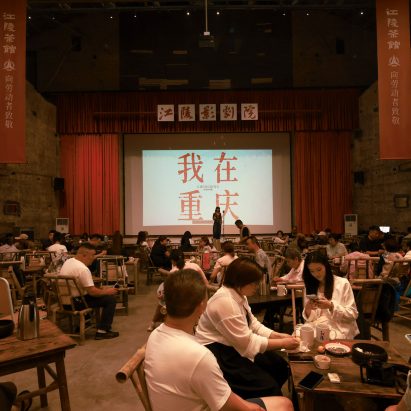
We stand at a fascinating precipice where the inherent richness of materiality, once a foundational pillar of design, is being re-examined and amplified with a potent urgency. This isn’t merely a return to natural elements; it is a deliberate cultivation of tactile depth and sensory engagement, a vital counterpoint to our increasingly screen-mediated existence. Projects across continents now underscore the power of textured surfaces – the rough-hewn wood canopy breathing life into a repurposed cinema, the subtle interplay of light and shadow on a discreet hotel facade, the refined, almost visceral, materiality of a New York-inspired office space. These interventions are not just about aesthetics; they are about recalibrating human flow, creating moments of deliberate pause and sensory recalibration within often relentless urban environments. The spatial tension generated by these carefully chosen textures and the way they encourage interaction and contemplation defines the contemporary interior, transforming passive spaces into active participants in our daily lives.

The trend is clear: a departure from the ephemeral and an ascendant appreciation for the enduring. We are witnessing a sophisticated dialogue between historical context and contemporary desire, where the ghosts of past experiences, like the nostalgia evoked by a 1950s cinema reborn as a teahouse, are not just preserved but actively celebrated and integrated. This is amplified by a move towards more robust, unapologetic forms. The “discreet yet powerful” approach to the Mexico City hotel, for instance, speaks to a growing understanding that subtlety can carry immense weight when underpinned by thoughtful material selection and strategic spatial planning. Similarly, the “unmistakably cool” Madrid office, drawing inspiration from a bygone era of creative hubs, demonstrates a desire for environments that evoke a specific mood and foster a particular kind of productivity, built on a foundation of refined, almost cultish, materiality.
However, this resurgence of the tangible is not without its internal friction. While we champion authenticity and sensory experience, there’s a concurrent, almost contradictory, pull towards curated maximalism, as seen in the “exuberant” tiled facade of a Beverly Hills restaurant. This suggests a bifurcation in the trend: one path emphasizing honest, grounded materiality that encourages quiet contemplation and sensory exploration, and another that embraces bold, almost theatrical, displays of texture and pattern as a form of defiant self-expression. The danger lies in these two impulses becoming disparate rather than complementary, leading to superficial extravagance rather than profound engagement. The allure of the immediate, the visually arresting, can easily overshadow the deeper, more nuanced rewards of tactile discovery.
Looking ahead, the most prescient design will be that which successfully bridges this inherent tension, offering spaces that are simultaneously profoundly tactile and undeniably dynamic. We will see interiors designed not just for viewing, but for feeling, for inhabiting, for actively participating in. The production designer’s commentary on the design “horrors” of fictional liminal spaces, while born of a different context, inadvertently highlights a growing awareness of the psychological impact of environments that are deliberately unsettling or devoid of meaningful human touch. The future of interior design lies in crafting spaces that are resolutely anchored in the real, spaces that offer refuge not by erasing the world, but by deepening our connection to it through the undeniable power of material and spatial honesty.
TL;DR
The future of interiors lies in embracing the raw, tactile power of materiality to create deeply resonant and experientially rich spaces.