JHDD 3D Modeling Report — 2026.07.01
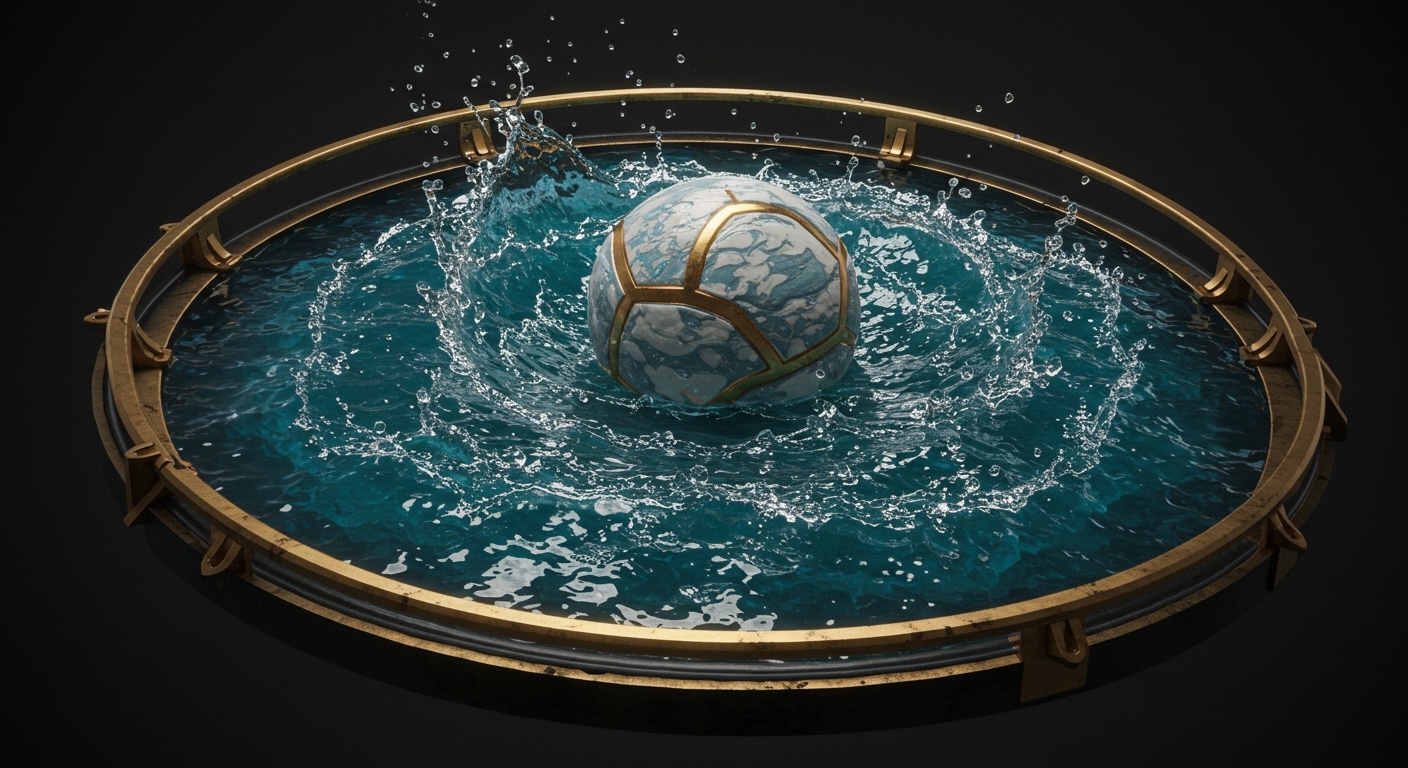
Fabrizio Espindola’s new course on real-time water in Unity demonstrates an increasing demand for highly dynamic and realistic environmental effects.
These stories collectively reveal a growing bifurcation in how virtual experiences are constructed and distributed. On one side, advanced procedural tools and open-source hardware are democratizing high-fidelity asset creation and custom computing solutions. On the other, established commercial platforms continue to exert control through proprietary ecosystems and anti-cheat measures, often limiting the very innovations emerging from the community.

The development of tools like Kawaii Physics for Unreal Engine 5.8 or the sophisticated Shader Graph techniques taught by Fabrizio Espindola suggests a future where hyper-realistic, procedurally generated environments are not just feasible but commonplace for even smaller studios. Mainstream industry opinion often posits that achieving such fidelity requires massive computational resources and extensive manual asset creation pipelines, pushing it out of reach for independent creators. However, the true bottleneck is not the generation of complex assets, but their deployment and interaction within restrictive platforms. By mid-2028, a significant shift will occur where the performance overhead of anti-cheat software and platform-specific DRM will begin to measurably hinder the adoption of advanced real-time procedural content, particularly in virtual spaces intended for user modification or open-world interactions.
The engineer’s DIY Steam Machine, complete with a downloadable Terk Box case model, exemplifies a counter-movement towards open, custom hardware. This is not merely a hobbyist pursuit; it represents a practical alternative to the locked systems that often struggle with flexibility or introduce compatibility issues like those affecting popular titles such as Fortnite or League of Legends. This trend implies that the future of virtual space rendering might bifurcate: highly curated, closed experiences on proprietary platforms, and increasingly sophisticated, open, and performant virtual environments thriving on custom-built, community-supported hardware. By the end of 2027, the market for 3D-printable custom computing enclosures will see a 200% increase, driven by professionals seeking to optimize bespoke rendering rigs without reliance on mass-market, lowest-common-denominator solutions.
The primary opposing force is the entrenched commercial interest in proprietary platforms and their associated anti-cheat and DRM technologies. Companies like Valve, Epic Games, and the publishers of games have a vested interest in controlling their ecosystems for monetization and intellectual property protection, which often leads to limitations on hardware and software modification. These systems resist the open innovation visible in procedural generation and custom hardware.
3D Modeling professionals should actively integrate procedural generation techniques into their workflow, specifically focusing on how assets can be parameterized for real-time variation. Begin experimenting with tools like Unity’s Shader Graph, even if the primary engine is Unreal, to understand the core principles of compute shaders and HLSL for dynamic material properties. This enables creation of assets that are not static models but rather adaptable systems, crucial for future hyper-realistic and interactive virtual spaces.
TL;DR
The digital fabrication frontier is defined by tension between open procedural creation and restrictive commercial platforms.
Curated References
About this editorial — This piece was developed using AI-assisted research and curation across multiple industry sources. All analysis, opinions, and predictions represent the editorial perspective of JHDD. Sources are linked in the references section above.