JHDD Packaging Report — 2026.06.30
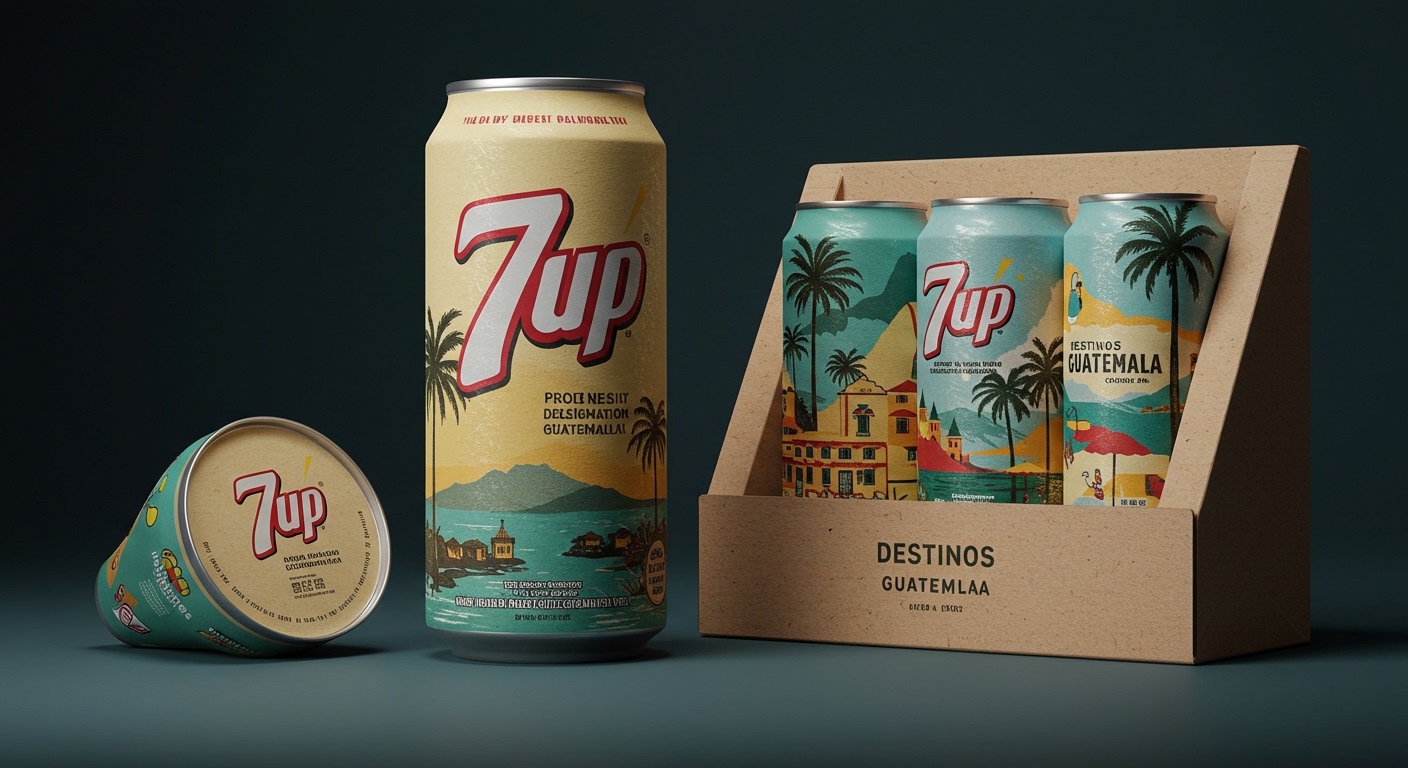
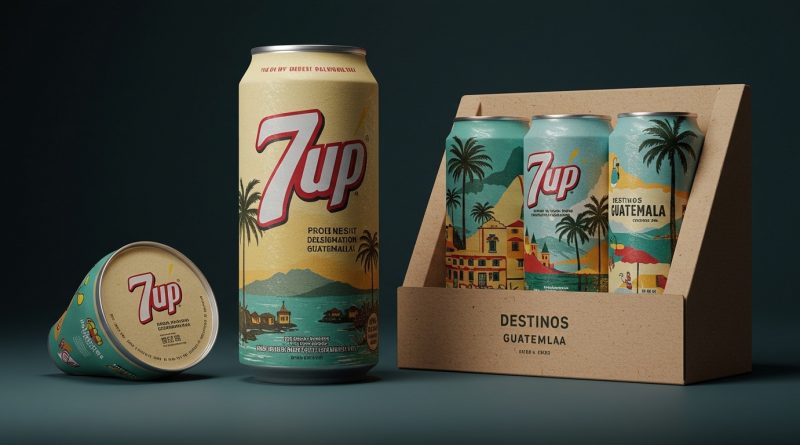
7UP’s Destinos Guatemala collection transformed ordinary beverage cans into sought-after travel posters, elevating shelf impact through cultural narrative.
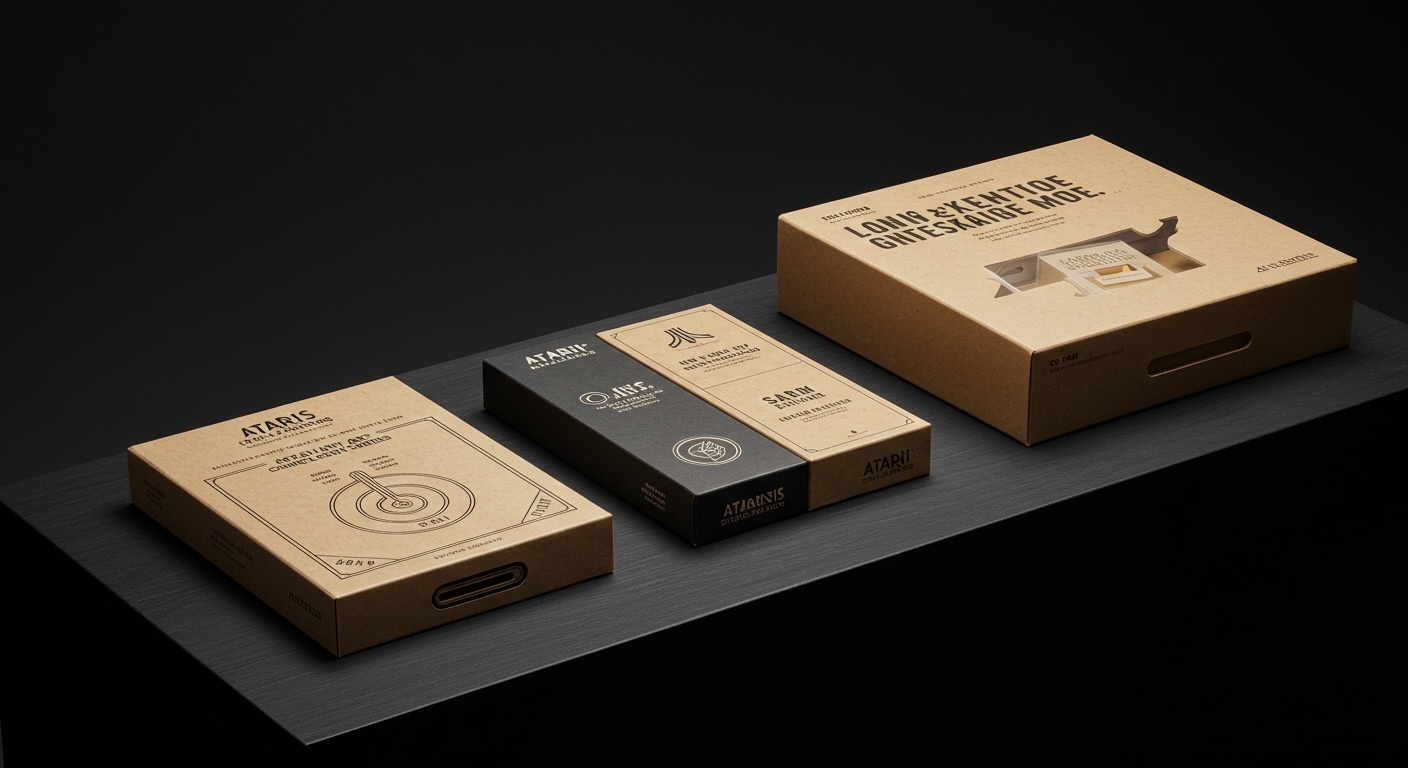
This collection, alongside Atari’s imagination-fueled box art and Heinz’s subversive “Unofficial Stadium Ketchup,” illustrates a pervasive industry shift: packaging is transcending its functional role to become a primary medium for narrative and distinct brand engagement. These examples demonstrate a move away from purely utilitarian design towards creating tangible artifacts that invite interaction and foster emotional connections, leveraging visual and tactile qualities to tell a story the product alone cannot.
The 7UP Destinos Guatemala series, designed by PepsiCo Design’s Latin America team, offers a clear illustration of this trend. Each can, featuring an illustrated scene from Tikal, Lago Atitlán, Antigua, or El Paredón, becomes a collectible piece of regional art. This strategy directly challenges the mainstream industry view that fast-moving consumer goods packaging should prioritize cost efficiency and rapid disposability above all else. Instead, 7UP invested in packaging as a tangible, desirable object, moving beyond basic brand recognition to cultivate a sense of pride and discovery. This approach elevates the humble beverage can to a souvenir, enhancing the unboxing experience even if that “unboxing” simply means retrieving it from a cooler. The use of vibrant, detailed illustrations provides a strong visual anchor on the shelf, turning routine purchase into an act of collection.
The inherent contradiction lies in the prevailing belief that sustainable packaging, often perceived as minimalist or generic, must compromise on experiential quality. However, the move towards creating desirable, narrative-rich packaging can align with sustainability goals. When packaging becomes a collectible, it gains value and is less likely to be immediately discarded, extending its lifecycle. This approach also encourages exploration of sustainable materials that offer unique tactile properties, further enhancing desirability. By mid-2027, more fast-moving consumer goods brands will release limited-edition packaging series that intentionally lean into local cultural narratives and distinct tactile finishes, moving beyond seasonal themes to perpetual desirability and reusability, not just recyclability.
This evolution faces strong resistance from established procurement practices and the imperative for mass-market scalability. Global supply chains often favor standardized, lowest-cost materials and production methods, which disincentivize experimentation with bespoke designs or culturally specific tactile finishes. Large retailers, focused on efficient shelf stacking and visual consistency across vast product lines, can also push back against packaging that deviates from expected norms, seeing it as a potential disruption rather than an enhancement. The incident concerning student designer Muskaan Kasat’s Jaipur Blue Pottery-inspired design and Diageo India’s similar aesthetic also highlights the resistance from those who prioritize expediency and market trend adoption over original investment and equitable creative recognition, effectively commodifying cultural inspiration.
Packaging professionals should actively integrate cultural immersion and physical prototyping into their design process. Instead of solely relying on digital renders for approval, teams must conduct tangible mock-up tests early, focusing on how the material feels, how graphics translate to a three-dimensional form, and how the packaging narrative unfolds during the unboxing sequence. This involves assessing the actual shelf impact in a physical environment, not just on a screen, and engaging local artists or cultural experts for genuine collaboration rather than appropriation.
TL;DR
Packaging must evolve beyond containment to become a desirable, tactile storytelling artifact that connects with consumers.
Curated References



About this editorial — This piece was developed using AI-assisted research and curation across multiple industry sources. All analysis, opinions, and predictions represent the editorial perspective of JHDD. Sources are linked in the references section above.