JHDD Web Design Report — 2026.08.11
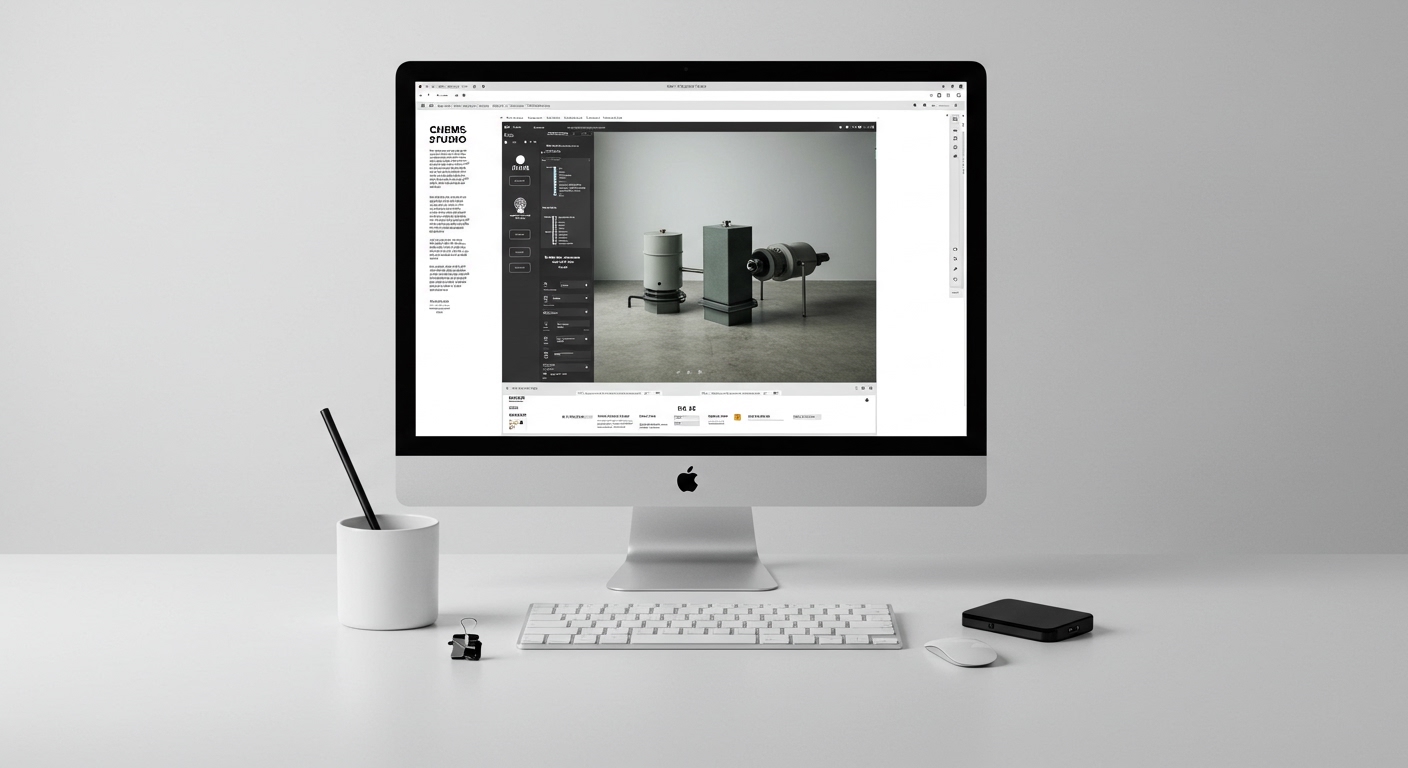
Chems.Studio’s film-led website showcases a flexible digital archive, emphasizing a quiet framework over ostentation.
These recent projects reveal a consistent pattern among forward-thinking front-end practices: a deliberate return to conceptual clarity and foundational web craft. Whether building sophisticated interactive experiences or nuanced interface elements, the common thread is an intentionality that elevates structure and performance as core design principles. This moves beyond superficial styling, focusing instead on robust digital experiences that integrate thoughtful layout, precise typography, and efficient motion, often by leveraging the web’s intrinsic capabilities with precision.
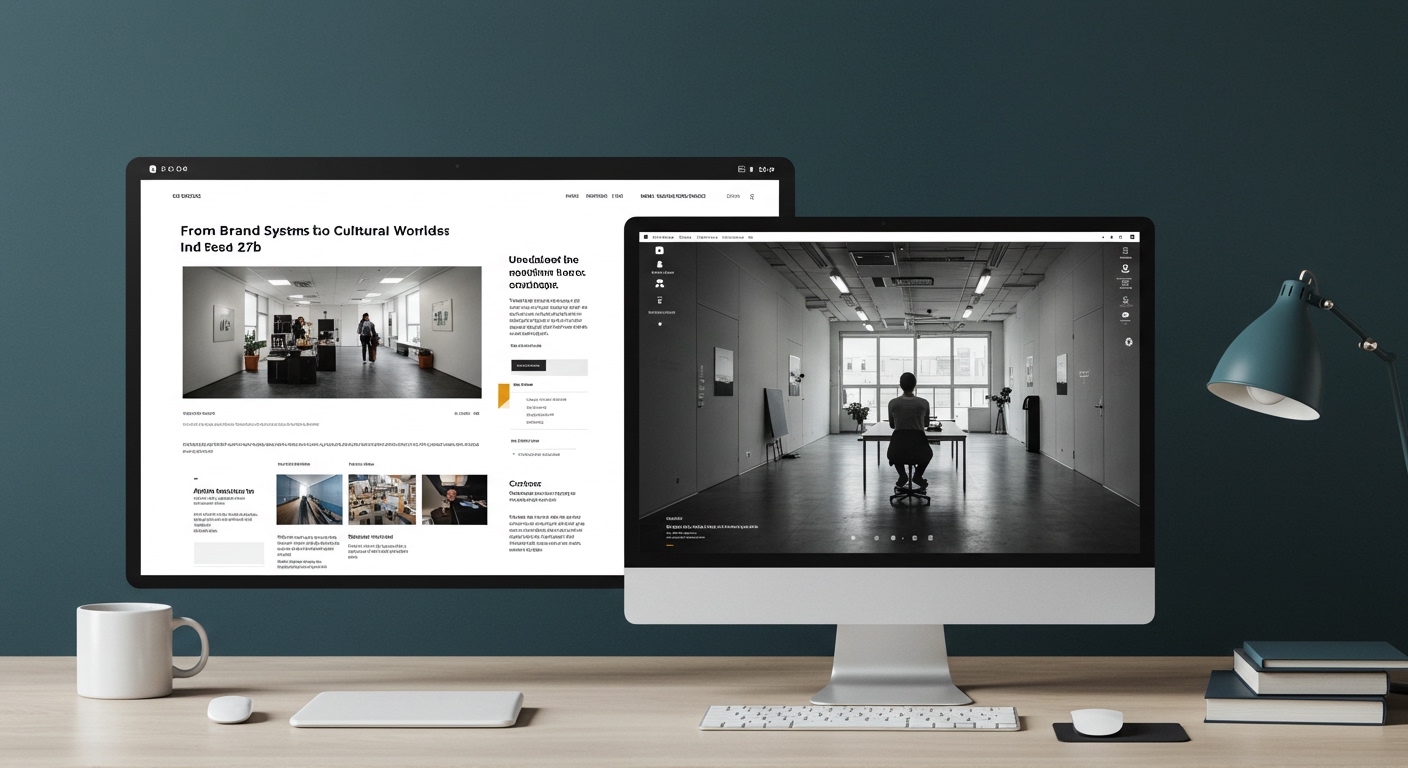
The PX PUSH website provides a compelling case study for this approach. Its governing idea, an old, always-on machine running underneath a modern Nuxt and Three.js stack, might suggest to some that rich 3D interactions inherently require a compromise on performance or a heavy footprint. This opinion, prevalent in mainstream development circles, often presumes that sophisticated visual experiences must equate to bloated pages or slow load times. However, the craft visible in PX PUSH’s implementation contradicts this notion directly. The ‘always-on machine’ concept itself implies efficiency and consistent background operation, guiding the technical choices to deliver a complex experience without unnecessary overhead. This demonstrates that performance is not sacrificed for rich interaction; it is carefully engineered within the conceptual framework, leading to a focused and impactful user journey.
Performance is an intrinsic design feature, not an optimization task applied retrospectively. Studios like PX PUSH prove that marrying advanced technologies with deep conceptual grounding can yield experiences that are both visually compelling and exceptionally fast. This approach will become the benchmark for high-end web development. By late 2027, the industry will see a distinct bifurcation: projects either optimize ruthlessly from conception, or they will be relegated to the domain of experiments that fail to achieve sustained user engagement due to technical debt and sluggishness. The expectation for seamless, performant richness will solidify, demanding this integrated thinking from project inception.
The primary opposing force to this integrated craft is the continued push for rapid development cycles, often prioritizing expediency through uncritical adoption of heavy frameworks and pre-built components. This practice frequently disregards the cumulative performance cost and obscures the foundational principles of web architecture, leading to experiences that feel disconnected from their underlying purpose. Client demands for an ever-increasing list of features, coupled with a lack of deep understanding regarding front-end implications, also contribute to the resistance against truly thoughtful, performant design.
A working Web Design professional should dedicate time this week to audit one critical interactive component on an active project. Examine whether a native HTML element, such as the
TL;DR
Crafting high-fidelity web experiences today means prioritizing conceptual grounding and performance with thoughtful use of web standards and minimal dependencies.
Curated References
About this editorial — This piece was developed using AI-assisted research and curation across multiple industry sources. All analysis, opinions, and predictions represent the editorial perspective of JHDD. Sources are linked in the references section above.