
JHDD Web Design Report — 2026.07.27
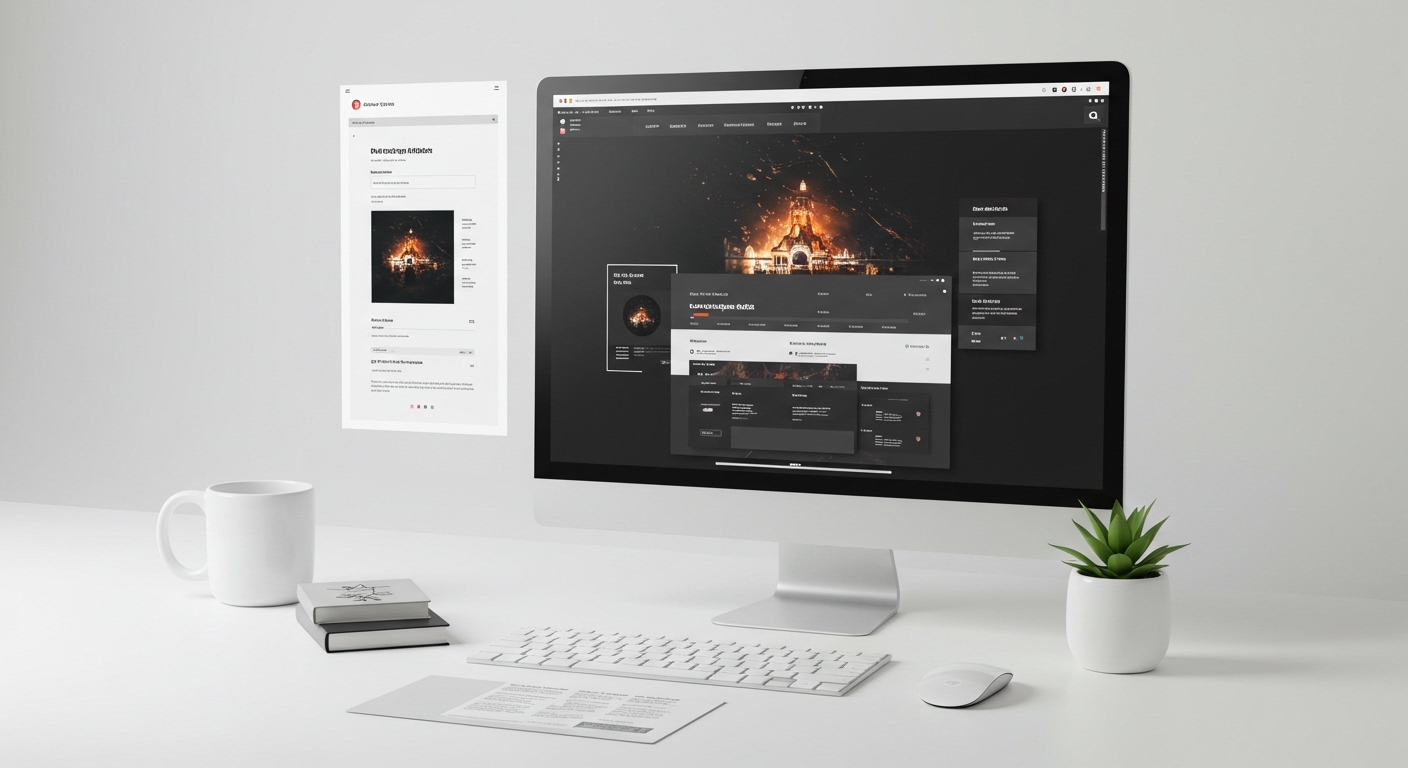
The detailed approach to building Cerebrium’s interactive experience with 3D and WebGL reveals a deeper pattern in web design.
Across projects like Cerebrium, Ridgeline, and the Dash Creative website, a consistent thread emerges: the strategic application of highly sophisticated visual technologies to distill complex information or articulate brand identity. This goes beyond mere aesthetic flourish; it is about leveraging 3D and WebGL as functional tools for communication. These examples consistently demonstrate an emphasis on robust engineering challenges, meticulous performance optimization, and the precise translation of abstract concepts into intuitive, interactive experiences. This signifies a maturation where the digital canvas is used not just for passive presentation, but for active clarification and deeper user engagement, demanding a synthesis of technical skill and design intent.

Consider Cerebrium, which transformed complex AI infrastructure into an intuitive, interactive experience using 3D and WebGL. Mainstream industry opinion often fixates on the immediate visual spectacle of such implementations, celebrating the advanced graphics as the primary achievement. However, this perspective misses the mark. The true craft in a project like Cerebrium lies not solely in the complexity of the 3D models or the WebGL shaders, but in how these elements are engineered to serve clarity and functionality. Many projects succumb to the allure of visual novelty, resulting in bloated, inaccessible, and ultimately less effective websites. The mastery is in the execution that prioritizes communication over gratuitous display, ensuring that the advanced visuals enhance comprehension rather than obstruct it.
The conventional wisdom often assumes that adding such intensive graphics invariably degrades performance. This belief is a convenient excuse for sub-par work. The reality, as demonstrated by Ridgeline’s engineering of a real-time 3D experience within Webflow, is that high performance with rich visuals is achievable through meticulous architectural decisions and relentless optimization. While the industry frequently praises impressive visual outputs, the deeper skill is found in the foundational work that maintains integrity. This requires understanding how to balance visual ambition with core web principles. It is projected that by mid-2027, the industry’s benchmark for advanced visual projects will shift significantly, demanding not just compelling aesthetics but audited performance metrics directly tied to user experience, pushing creators towards even greater efficiency in rendering and asset delivery.
The primary resistance to this integrated approach comes from prevailing client expectations for immediate, flashy results without an equivalent understanding of the underlying engineering demands. This often leads to projects driven by superficial trends or off-the-shelf solutions that compromise performance and accessibility for quick visual wins. Furthermore, the inherent complexity and time investment required for truly optimized 3D and WebGL integration sometimes conflicts with tight development timelines and budget constraints, pushing teams towards less rigorous, more expedient methods.
Web design professionals must consciously re-prioritize foundational front-end craft. Before any consideration of advanced visual libraries or WebGL effects, dedicate substantial effort to mastering intrinsic CSS layout techniques and web typography. This includes exploring properties like writing-mode, which offers profound control over text flow and block direction, proving essential for robust, adaptable layouts, particularly in multilingual contexts. Building a resilient, performant typographic and layout foundation ensures that any subsequent visual enhancements serve a purpose rather than simply adding weight or visual noise.
TL;DR
Proficient web craft now means that sophisticated visuals must be built upon a foundation of fundamental layout, typography, and performance.
Curated References
About this editorial — This piece was developed using AI-assisted research and curation across multiple industry sources. All analysis, opinions, and predictions represent the editorial perspective of JHDD. Sources are linked in the references section above.