JHDD Web Design Report — 2026.07.20
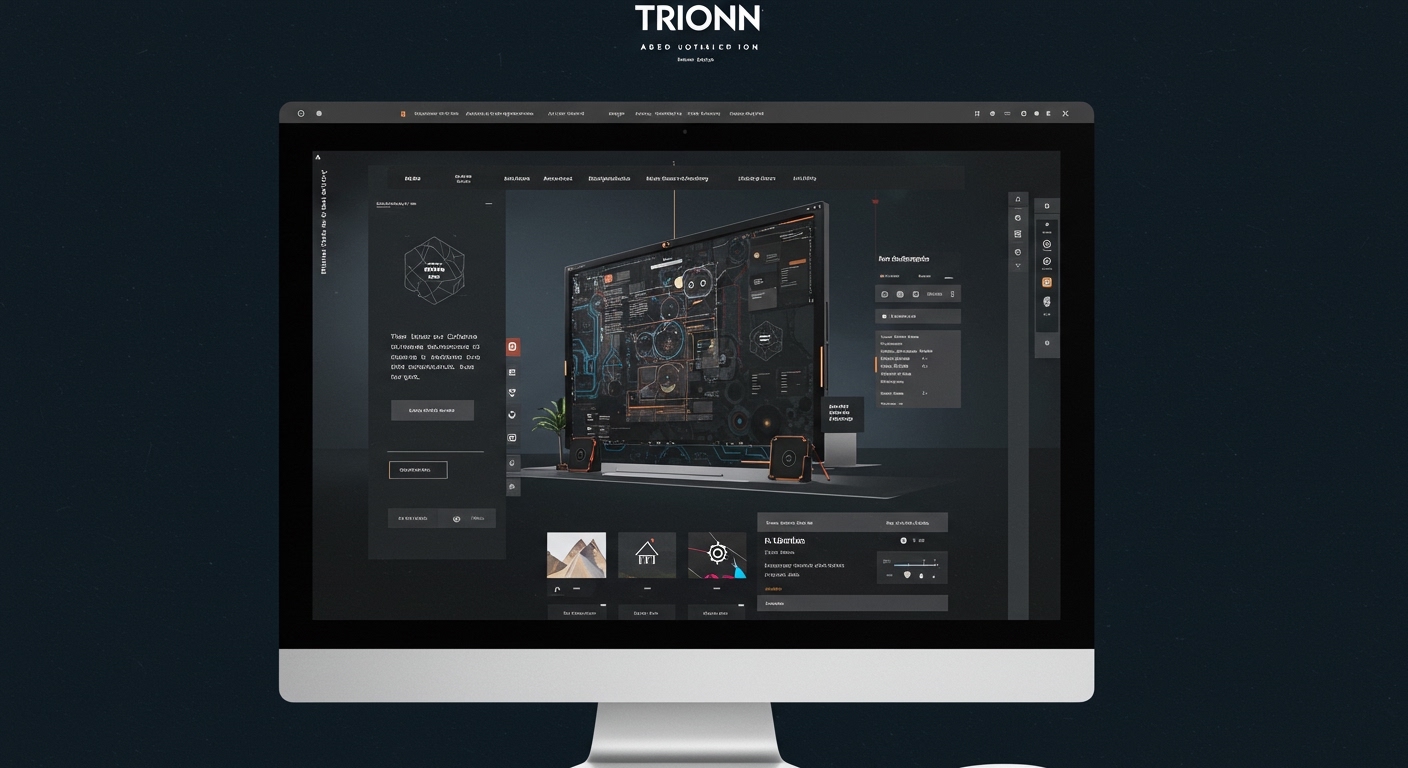
Trionn’s architecture demonstrates a meticulously choreographed integration of animation, rendering, and interaction layers.
These recent reports collectively reveal a deeper trend than individual feature releases or project breakdowns might suggest. The common thread is the accelerating expectation for complex, highly interactive web experiences to perform flawlessly across diverse devices. This requires a precise synthesis of advanced rendering engines like Three.js, sophisticated animation tools such as GSAP, and fundamental web platform capabilities, including fine-grained control via pointer-events and emerging CSS layout features like full-bleed CSS. The ambition for rich, immersive narratives and expressive digital presence now fundamentally hinges on surgical front-end craft, moving beyond mere functionality to sophisticated execution.

Trionn, with its explicit coordination of GSAP, Three.js, Lenis, and Web Audio, serves as a compelling case study for this evolving landscape. Its success lies in deploying these powerful tools and in unifying multiple layers into one highly performant web experience. This directly challenges the conventional industry opinion that highly interactive, visually rich sites are inherently detrimental to performance, accessibility, or maintainability. The mainstream perspective often defaults to a minimalist approach, largely equating “fast” with “simple content and basic layout,” frequently out of a perceived necessity to avoid performance bottlenecks from complex visual effects. This view, while rooted in valid concerns about poor implementation, often stifles genuine creative expression and limits the web’s potential.
However, the reality of the web platform in 2026 is significantly more robust. Modern browser engines and new CSS capabilities, such as boundary-aware CSS and full-bleed CSS, provide a solid, performant foundation for elaborate, responsive designs that previously required cumbersome workarounds. The crucial differentiator for projects like Trionn or the scroll-driven WebGL experience ZERO, is an unwavering commitment to engineering discipline. This involves deep dives into pipeline optimization, efficient rendering techniques, and thoughtful orchestration of interaction layers to ensure complex visuals do not impede core user experience or performance metrics. This commitment to advanced craft and optimization signals a new, higher standard for web development. Within two years, the demand for such seamless, performant richness will extend beyond specialized studios, becoming an anticipated baseline for competitive online presence across a broader range of brands and publications.
The primary opposing force to this elevated standard of front-end craft is the pervasive culture of rapid deployment and an over-reliance on abstracted frameworks that prioritize speed-to-market over deep technical refinement. This often leads to bloated, unoptimized experiences where the underlying rendering and interaction pipelines remain opaque to the developer. Such an approach inevitably results in performance compromises, reduced accessibility, and a diminished sense of craftsmanship, ultimately failing to meet the sophisticated user expectations now emerging.
Web design professionals should dedicate significant effort to deeply understand browser rendering processes and animation pipelines. This includes dissecting how their chosen tools—be it Three.js for 3D or GSAP for timeline animations—interact with the DOM, CSSOM, and the GPU. Furthermore, actively experiment with granular control over element interactivity using properties like pointer-events, especially when implementing complex overlay systems or multi-layered layouts. This ensures precise user feedback, prevents unintended interaction blocking, and contributes to a more polished and performant final product.
TL;DR
The future of web design demands highly performant, complex interactive experiences built with meticulous front-end engineering, challenging simplistic notions of speed.
Curated References
About this editorial — This piece was developed using AI-assisted research and curation across multiple industry sources. All analysis, opinions, and predictions represent the editorial perspective of JHDD. Sources are linked in the references section above.