JHDD Web Design Report — 2026.07.12
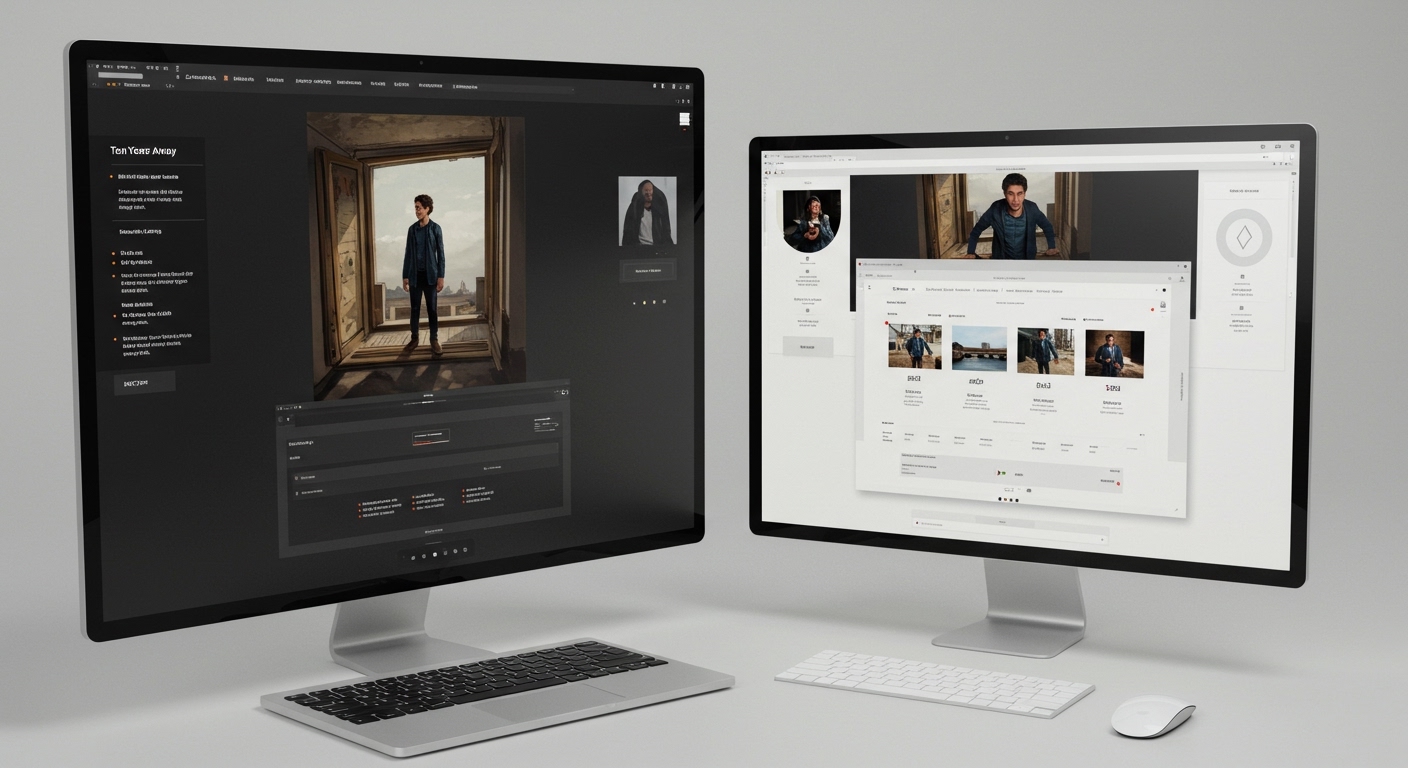
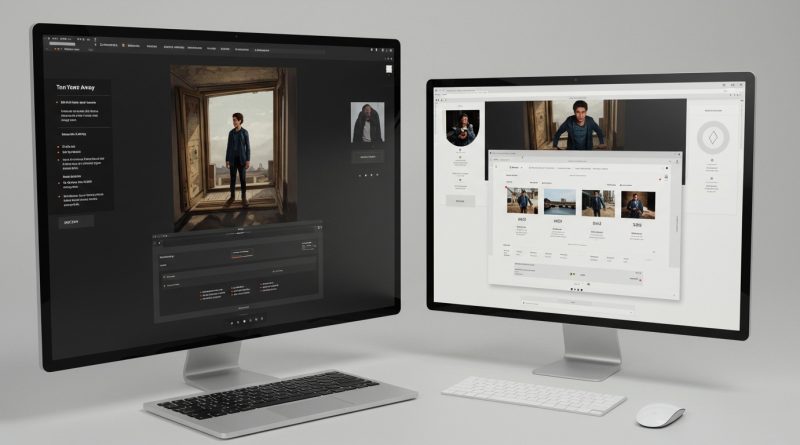
The scroll-driven interactive comic “Ten Years Away” by Studio375 demonstrates a clear move towards narrative-rich 3D experiences on the web.
Across various publications, a distinct pattern emerges: the web is embracing sophisticated 3D rendering and scroll-driven interactivity with a fervor previously unseen. Projects like “The Sleepers,” an atmospheric WebGL experience, alongside tutorials for building “Interactive Wave Propagation Cube Grids” and “Scroll-Driven 3D Galleries” using Blender camera paths, all point to a concerted effort to push the visual and interactive boundaries of the browser. This trend is further bolstered by new CSS capabilities, such as the `border-shape` property, promising complex geometric forms natively, moving beyond basic rectangles and circles.

While Studio375’s translation of a printed comic into a WebGL-driven, scroll-animated experience is a technical achievement, a common industry misstep follows: the enthusiasm for visual spectacle often pushes foundational web principles like typography, semantic structure, and responsive layout to secondary concerns. Many in the industry conflate visual richness with superior user experience, assuming that if a site can render an intricate 3D environment or achieve a “cinematic” effect, it automatically should. This perspective frequently overlooks the profound performance and accessibility challenges introduced. The detailed breakdowns for creating effects, like those in “The Sleepers,” highlight the technical depth of implementation but rarely foreground the user cost in terms of bandwidth, CPU cycles, or device compatibility, leading to visually impressive but often brittle and exclusive experiences. It is not enough for the rendering to be complex; if the accompanying content is difficult to read or navigate on diverse viewports, the underlying craft is compromised.
This trajectory suggests that by early 2028, the technical debt accumulated from visually-driven, performance-agnostic 3D implementations will necessitate a new wave of specialized performance engineers and accessibility auditors dedicated solely to rich media web experiences. Design systems will increasingly incorporate explicit guidelines and tooling for performance-budgeted motion and 3D interactions, prioritizing content legibility and accessible navigation above visual flourishes, forcing a more thoughtful integration of these advanced capabilities rather than an uncritical adoption.
The opposing force to this thoughtful integration is often the sheer weight of JavaScript bundles required for sophisticated Three.js or WebGL scenes, alongside the often-unoptimized assets originating from tools like Blender. This technical overhead, combined with commercial pressures to deliver immediate “wow” factor visuals, frequently overshadows fundamental web principles. The focus shifts towards achieving a grand visual effect rather than ensuring robust, performant, and universally accessible content delivery across all contexts.
Before committing to a full-scale WebGL or Three.js implementation for primary content or navigation, a web professional should rigorously prototype the interactive experience using native HTML, CSS transforms, and SVG. This prototyping must include stress-testing performance across a range of devices and network conditions, specifically prioritizing semantic content and ensuring a robust, performant baseline experience even without advanced rendering. Evaluate how much visual impact is truly necessary versus how much is feasible and performant for the widest possible audience.
TL;DR
The web’s embrace of complex 3D and rich motion demands a renewed focus on core performance and accessible content delivery.
Curated References
About this editorial — This piece was developed using AI-assisted research and curation across multiple industry sources. All analysis, opinions, and predictions represent the editorial perspective of JHDD. Sources are linked in the references section above.