JHDD Branding Report — 2026.07.13
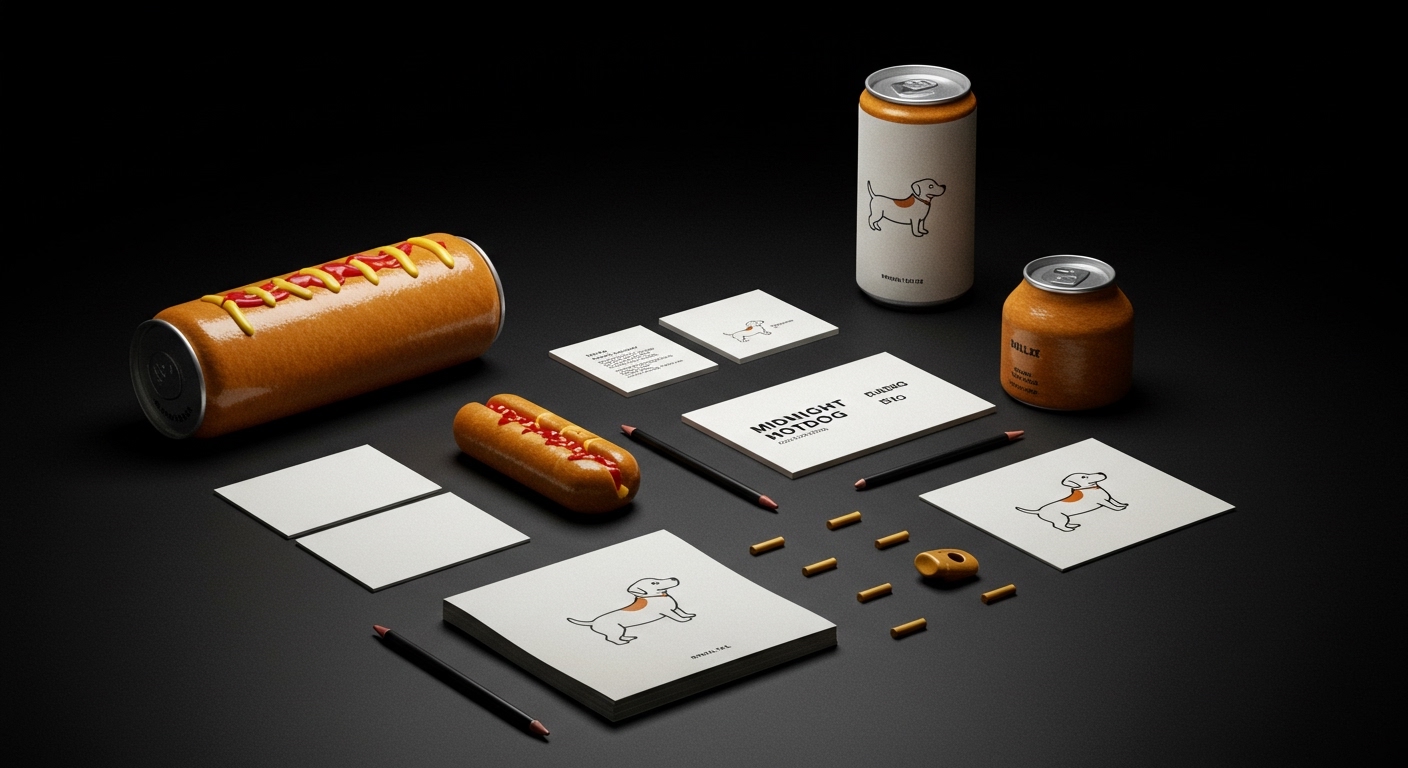
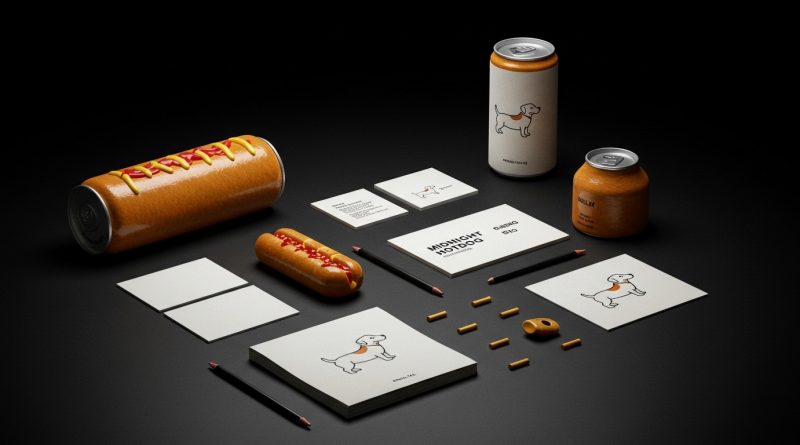
SMLXL’s branding for Midnight Hotdog features a logo where two dogs are depicted sniffing each other’s bums, a detail both specific and unreservedly memorable.
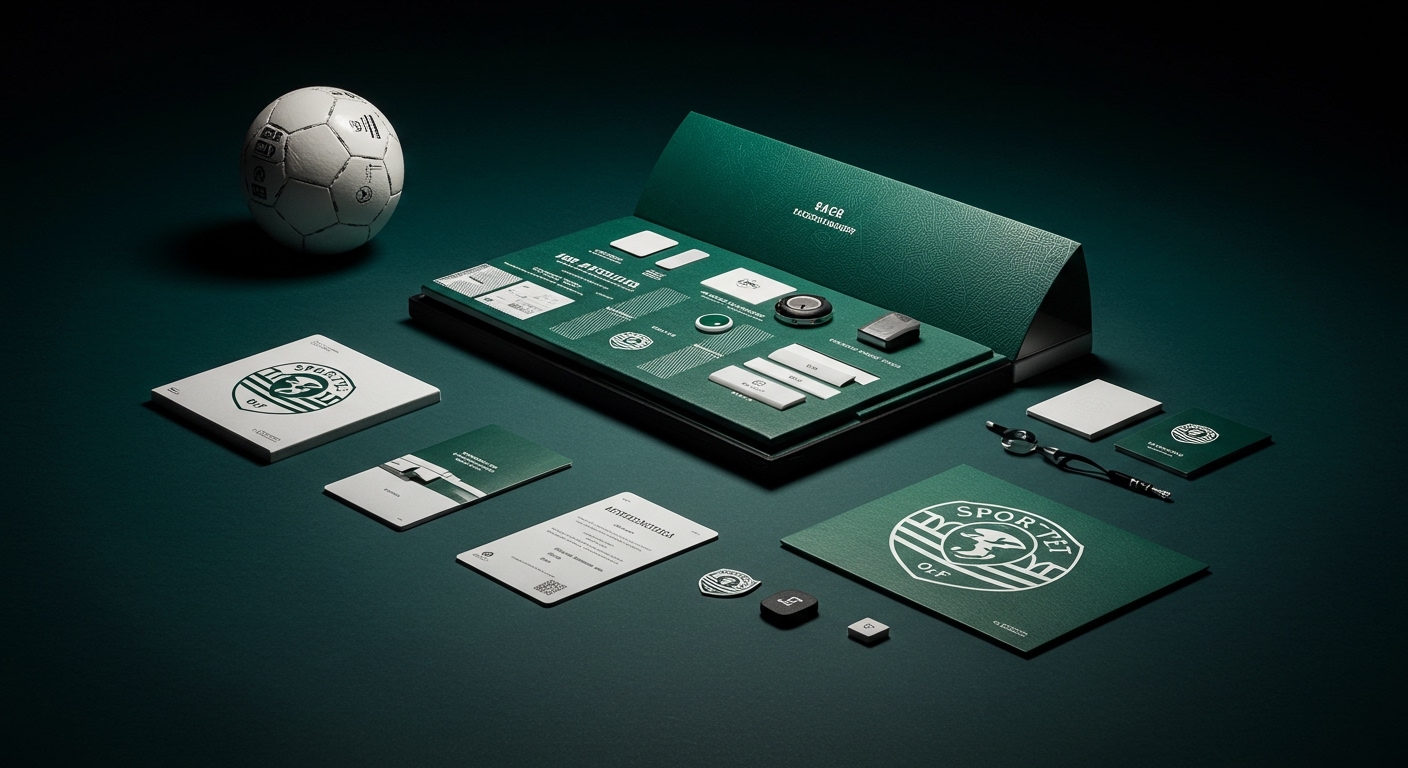
These recent projects reveal a consistent, if sometimes challenging, pattern: an increasing value placed on brands’ willingness to present their unvarnished core truths through visual identity and market positioning. JKR, for instance, achieves robust simplicity for Sporting CP by “plundering heritage,” extracting an authentic identity rather than inventing one. Similarly, LG2’s approach for Health Hut relies on “subtle persuasion,” suggesting an inherent trust in the product’s natural appeal. This collective movement indicates a shift from abstract aspiration towards grounded, sometimes provocative, authenticity, where brand equity is built on honest representation and distinct cultural signals.
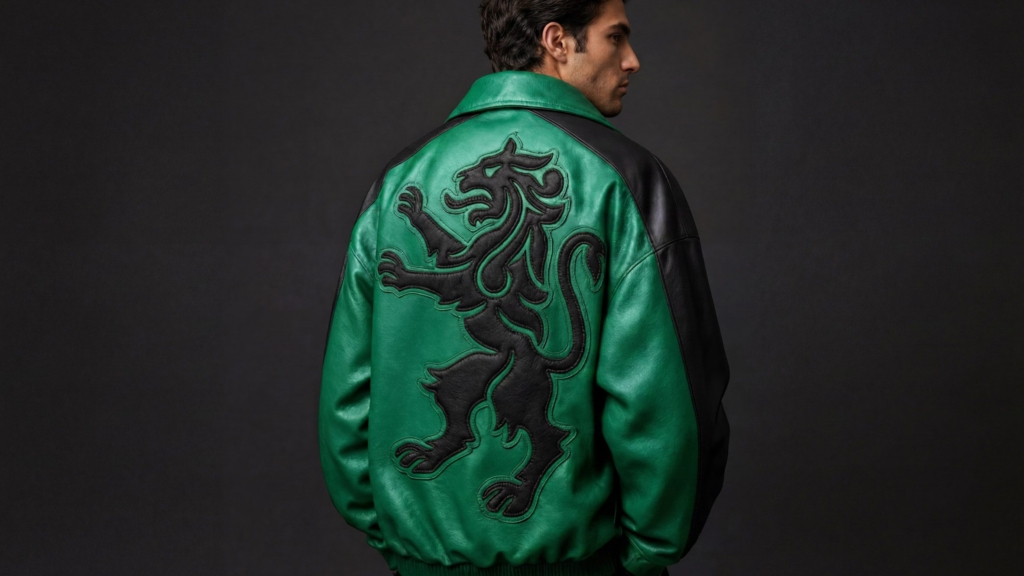
Mainstream industry opinion frequently guides clients towards sanitised, broadly appealing visual identities, under the assumption that specificity might alienate potential customers and limit market reach. However, the exceptional work of Studio Blackburn for Ellis Butchers directly contradicts this conventional wisdom. For a “whole-carcass butcher business,” Studio Blackburn crafted an identity described as “unflinchingly carcass-centric, yet somehow so full of warmth.” This bold choice did not shrink the brand’s appeal but sharpened its market positioning. It communicates an authenticity and respect for the craft that resonates deeply with its target audience, establishing a brand equity that is both distinctive and resilient. The warmth in the design gains potency precisely because it embraces the raw reality of the product, fostering a powerful cultural signal for those who value tradition and transparency in their food sourcing.
This strategy, while seemingly narrow, actually builds a stronger, more defensible position. By choosing to be explicitly for a particular type of consumer, these brands become less vulnerable to generic competition or passing trends. Their visual identities function as clear badges of belonging. This focus on specific, uncompromised brand narratives suggests that within the next two years, successful niche brands will increasingly leverage their most idiosyncratic characteristics as primary drivers of their visual and market strategies, rather than smoothing them over for wider, shallower acceptance.
The most significant resistance to this approach originates from legacy brands and large corporations. Their operational models are inherently geared towards mass market penetration and avoiding any potential for negative perception among broad consumer segments. Their deeply ingrained fear of alienating even a small demographic often results in visual identity systems that lack conviction and specific cultural resonance, prioritising universal recognition over profound connection.
A working branding professional should proactively challenge client briefs that demand generic “clean” or “aspirational” aesthetics solely for broad appeal. Instead, dedicate effort to unearthing the most distinctive, perhaps even unconventional or unpolished, aspects of a brand’s history, product, or community. Develop visual identity systems and market positioning strategies that boldly amplify these specific truths, understanding that genuine resonance with a dedicated audience builds far more defensible and valuable brand equity than an attempt to please everyone.
TL;DR
Brands build stronger equity by amplifying their specific, authentic truths, even if uncomfortable, instead of pursuing broad, generic appeal.
Curated References



About this editorial — This piece was developed using AI-assisted research and curation across multiple industry sources. All analysis, opinions, and predictions represent the editorial perspective of JHDD. Sources are linked in the references section above.