JHDD UI UX Report — 2026.08.25
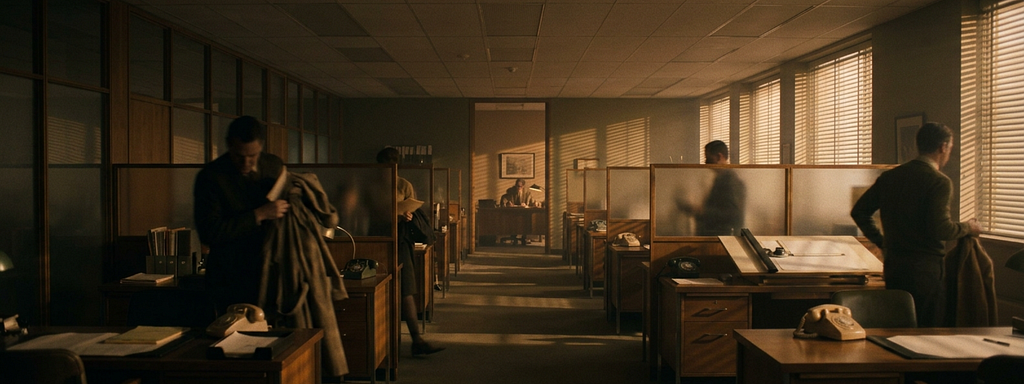
Sterling Cooper’s mid-century ad agency model continues to shape contemporary UX processes, despite industry shifts towards agile methodologies.
The digital environment is subtly dissolving traditional boundaries, from the concept of logging off a service to the discrete phases of design and development work. This erosion, driven by pervasive AI integration and always-on systems, challenges established interaction patterns, internal creative processes, and even fundamental design system components like color scales. These seemingly disparate developments point to a deeper structural transformation, demanding a re-evaluation of what constitutes finished work and the underlying models for its creation.
The persistent influence of the Sterling Cooper-era creative workflow on modern UX is more profound than widely acknowledged. Many contemporary UX teams, while adopting agile sprints and user-centered language, still operate within a project-based, “campaign” mentality. This manifests in the ritualistic “pitch room” atmosphere of design reviews, the pursuit of a singular “auteur” vision, and the tendency to deliver discrete “finished” products rather than evolve continuous systems. A mainstream view suggests that merely embracing agile or lean UX is sufficient to modernize design practice. This opinion overlooks how the underlying power structures and output expectations of the 1960s ad shop remain deeply embedded, preventing a true reset necessary for the age of AI.
The integration of AI, exemplified by Granola’s new Model Context Protocol (MCP) connecting meeting notes to AI apps, directly challenges this campaign-centric model by dissolving the “last seam” of project completion and the traditional handover. This shift towards continuously contextualized, AI-augmented workflows renders the “finished product” an increasingly transient state. By mid-2027, organizations that cling to these inherited models will face significant friction in their design processes, struggling to integrate AI capabilities into a framework designed for discrete deliverables. Designers will instead need to shift focus towards designing and evolving living systems that constantly adapt, rather than launching singular campaigns.
Resistance to this fundamental re-evaluation comes from institutions and practices that prioritize the reinforcement of existing paradigms. The UX Conference November, with its emphasis on “long-lasting skills for UX professionals” and teaching “best practices for successful design,” exemplifies this inertia. While valuable for foundational knowledge, such frameworks can inadvertently reinforce a static view of design work, focusing on refining established methods rather than interrogating their continued relevance in a landscape where AI tools are challenging the very definition of a “best practice.”
A working UI UX professional should this week initiate a formal audit of a recurring design review or critique session within their team. The audit should specifically identify elements that mirror the “pitch room” dynamic described in the critique of Sterling Cooper, such as a sole presenter, a focus on “selling” a finished concept, or a lack of continuous feedback loops. Subsequently, propose a revised format that integrates AI-assisted ideation or feedback mechanisms early and continuously, shifting the focus from a one-time “pitch” to an iterative co-creation and evolution process, particularly leveraging tools that extend context like Granola’s MCP for meeting notes.
TL;DR
Design processes and interaction patterns must fundamentally adapt to continuous AI integration, moving beyond outdated campaign mentalities.
Curated References



About this editorial — This piece was developed using AI-assisted research and curation across multiple industry sources. All analysis, opinions, and predictions represent the editorial perspective of JHDD. Sources are linked in the references section above.