
JHDD UI UX Report — 2026.08.13

Alexey Kopytin’s architectural rationale for a digital stress-relief squeeze toy game highlights a foundational shift in interface design. Kopytin’s approach, using Lottie animations, DOM events, and distance-based math to maintain absolute control over intentional motion, exemplifies a growing drive towards precision in interaction design. This extends beyond visual fidelity into tactile and kinetic experiences.
The common thread connecting recent discussions is a renewed emphasis on crafting deeply intentional, specific interaction patterns, moving beyond generic or over-simplified interfaces. Whether it is a CSS hack to make an iOS Safari website feel “luxurious,” the critique of chat as the “wrong UI” for complex AI, or the structured approach to building a “tactile” web experience, the underlying demand is for bespoke experiences engineered with high fidelity. This affects how a system truly feels, how it responds, and how complex functions are effectively presented to the user.
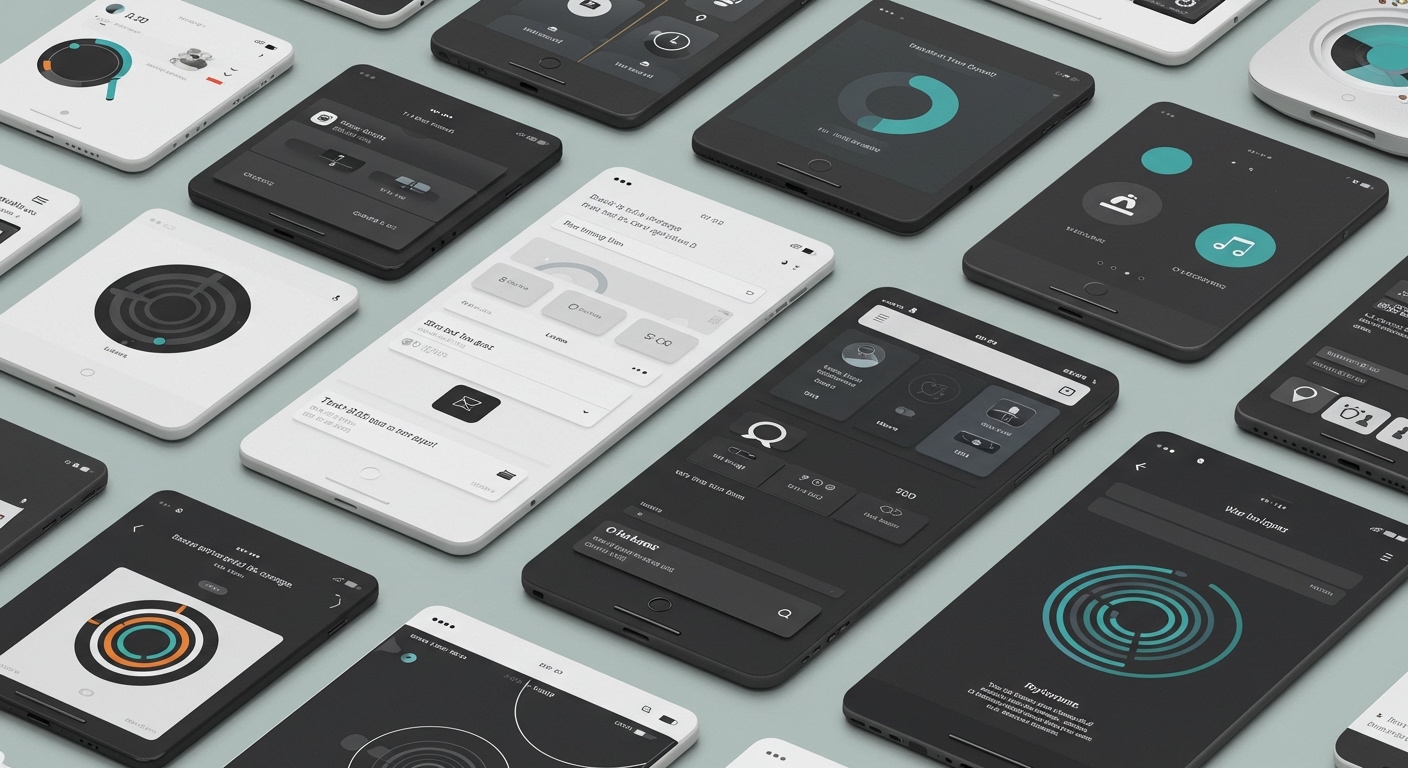
Mainstream industry opinion often champions design systems primarily as tools for visual consistency and rapid component reuse, often embracing abstractions that streamline development but can limit fine-grained control. The notion that “everyone can design,” as discussed by UX Collective, is sometimes interpreted as a push towards making design simpler and more accessible, potentially at the expense of intricate craft. This interpretation misses a critical point. The true power of broader design participation lies not in universal simplification, but in empowering more stakeholders to contribute within a robust, expertly defined interaction framework. As generic design tools become ubiquitous, the value of a seasoned UI/UX professional shifts. Their expertise is needed to define, build, and govern complex, unique interaction systems and patterns, requiring a deeper, rather than shallower, engagement with technical implementation.
The drive for distinct, high-fidelity experiences, such as the specific CSS hack extending a website on iOS Safari for a “luxurious” feel, validates this. It illustrates that users perceive and value nuanced differences. Therefore, a contradictory view is that design systems must evolve from collections of static visual components into sophisticated frameworks for kinetic and sensory interaction. Within two years, leading design systems will integrate advanced motion libraries and haptic feedback specifications as first-class citizens, codifying interaction timing, easing curves, and vibrational patterns alongside visual attributes.
The primary resistance to this evolution comes from the inertia of seeking “easy wins” and over-simplification. The critique by Design.md and Maxim Kich, identifying chat as “the wrong UI” for AI, illustrates this. Despite insights from Star Wars envisioning specialized, commodity AI, the impulse to default to a generic chat interface for complex AI agents persists. This over-simplification of AI agents’ interfaces, often driven by a desire to quickly “productize a person’s thinking” as Dan Maccarone describes, stifles the development of truly effective, embedded interaction patterns that align with user mental models beyond mere conversation.
A UI/UX professional should initiate a thorough audit of their current design system this week, examining its capacity to define and implement complex, intentional interaction patterns. This assessment should go beyond visual styles, evaluating how motion design, haptic feedback, and context-aware adaptive input responses are specified, documented, and technically supported. Identify where current abstractions or limitations might be hindering the creation of deeply customized and truly tactile user experiences.
TL;DR
The future of UI/UX demands deep technical intentionality in interaction design, moving beyond generic abstraction.
Curated References




About this editorial — This piece was developed using AI-assisted research and curation across multiple industry sources. All analysis, opinions, and predictions represent the editorial perspective of JHDD. Sources are linked in the references section above.