
JHDD UI UX Report — 2026.08.07

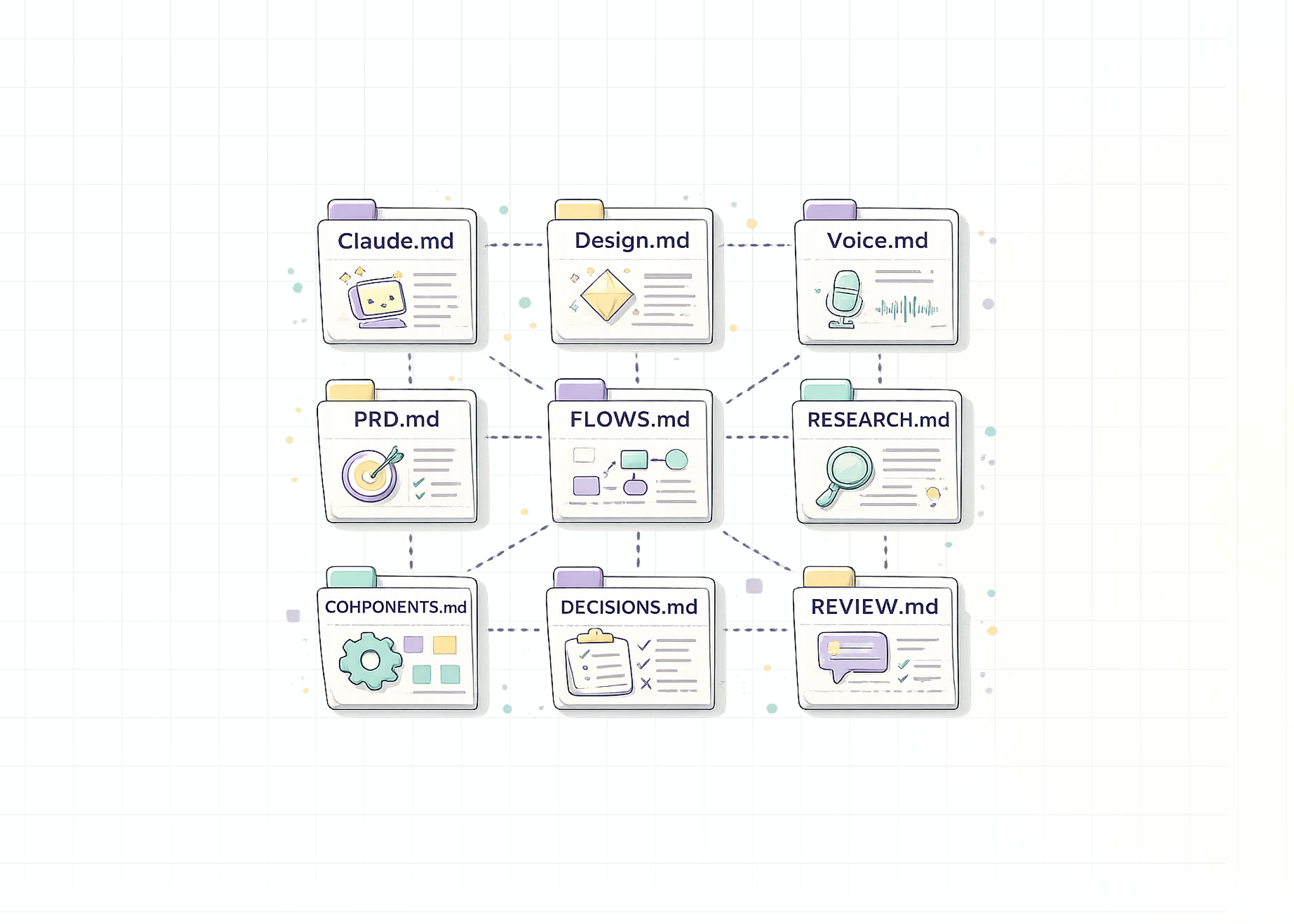
DESIGN.md files provide a tangible example of designers formalizing their decision-making for machine interpretation, defining aspects like typography and spacing.
The underlying pattern in recent developments is the deliberate externalization of human design judgment, intuition, and contextual understanding into machine-readable formats. This extends beyond basic style guides to encompass the very process of qualitative decision-making, aiming to capture the “how” and “why” behind design choices rather than just the “what.” It reveals an industry shift towards codifying the subjective and tacit knowledge that traditionally resided within individual designers.

The concept of “productizing a person,” as described in the packaging of one individual’s thinking, directly challenges a prevalent industry narrative about AI’s role in design. Many observers suggest AI will simply automate design generation, diminishing the human role to prompt engineering, or reducing design systems to mere component catalogs. This mainstream view overlooks the critical need for explicit human judgment in defining the parameters and constraints for AI’s creative output, especially concerning nuanced interaction patterns and accessibility requirements. The true innovation lies not in replacing human designers, but in making a person’s refined taste, instincts, and problem-solving methodologies accessible and actionable for a machine, without losing their inherent value. This demands a much deeper engagement with usability principles and detailed interaction specifications to ensure these codified judgments translate effectively into functional, user-centric interfaces. The expectation should be that by mid-2028, leading design tool vendors will offer integrated environments for authoring and managing these personalized “judgment packages” directly within their core design system platforms, moving significantly beyond static component libraries to dynamic, decision-making frameworks.
This formalization of human judgment directly impacts the structure and utility of design systems and the application of accessibility best practices. When a “knowledge DJ” curates context for an AI co-designer like Claude, it demands a rigorous definition of how specific interaction patterns should behave under varying conditions or how accessibility standards must be applied beyond simple checklist compliance. This process necessitates a granular breakdown of design intent, synthesizing insights from user research, and articulating usability heuristics into explicit instructions that machines can interpret and apply consistently. The focus shifts from merely cataloging visual components to systematically articulating the underlying design rationale that governs their application across diverse scenarios. This rigorous approach ensures that design output, whether human or AI-generated, adheres to a coherent and accessible user experience, maintaining consistency even when individual designers are not directly involved in every decision.
The primary resistance to this shift comes from the ingrained human reliance on implicit knowledge and intuitive decision-making within design practice. Designers often operate with a deep, unarticulated understanding of context, user needs, and aesthetic principles, which is inherently challenging to translate into the plain-text, rule-based formats required by machines. This friction manifests as a reluctance to formalize what often feels like subjective “taste” or accumulated experience, with concerns that codification might strip away creative nuance or individual autonomy. The significant cognitive and time investment required to externalize these complex mental models often clashes with demanding project timelines and the comfort of established, less explicit, workflows that prioritize rapid iteration over rigorous documentation of intent.
A working UI/UX professional can immediately begin documenting the specific contextual factors, user research insights, and underlying rationale that drive their design decisions for key interaction patterns or accessibility considerations. Instead of relying solely on visual prototypes or component libraries, designers should experiment with creating simple “CONTEXT.md” files for their projects. These files should articulate the “why” behind choices, explaining expected user behaviors, accessibility requirements, and the specific design principles being applied, making this explicit context available to any future AI co-designer or human collaborator.
TL;DR
Explicitly externalizing human design judgment into machine-readable formats is the next frontier for design systems and AI collaboration.
Curated References




About this editorial — This piece was developed using AI-assisted research and curation across multiple industry sources. All analysis, opinions, and predictions represent the editorial perspective of JHDD. Sources are linked in the references section above.