
JHDD UI UX Report — 2026.07.21

Reports of Apple considering cameras in AirPods stems have met with predictable skepticism, recalling the initial mockery of the original AirPods in 2016.
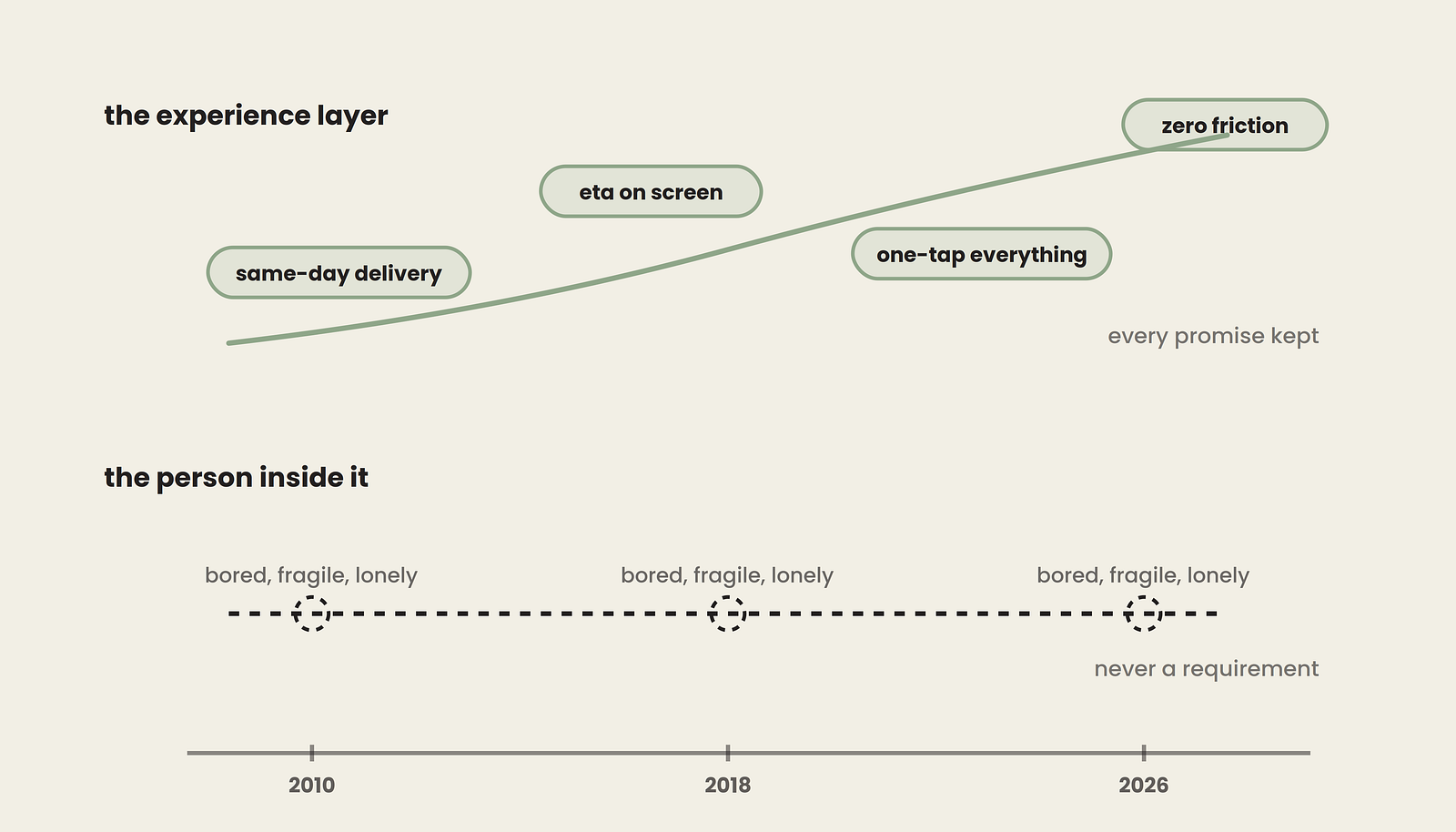
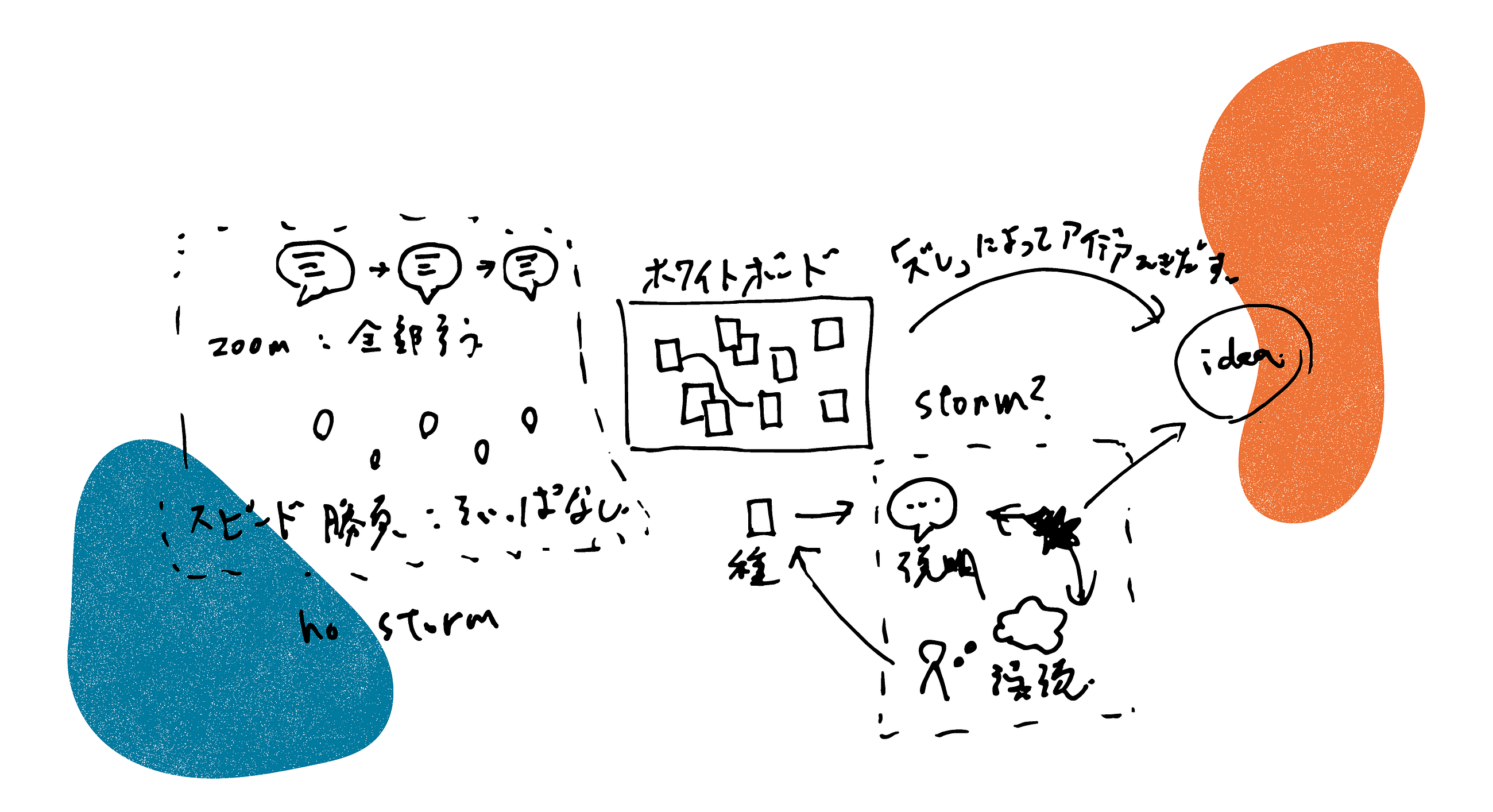
This repeated public reaction highlights a critical, often unacknowledged disconnect between the relentless acceleration of technological capability and the human capacity for absorption and adaptation. While systems strive for lower latency and instant gratification, the human brain and its social constructs often require a beneficial delay, as explored by the UX Collective regarding “the brainstorm that couldn’t storm,” to process novelty, build consensus, or simply acclimate. Universality in design does not emerge from frictionless perfection, but from surviving the messy, human constraints that technology frequently seeks to bypass, as discussed in “The weakest channel.”
Mainstream industry discourse often promotes the delegation of design decisions to data analytics or nascent AI systems, viewing taste as something quantifiable. Aurélie Radom articulates a crucial counter-argument: taste is not a collective agreement or an emergent property of abundant data. She observes that “Taste begins with knowing what good looks like. It comes from exposure to exceptional work, from studying history, understanding proportion, typography, interaction, composition, and learning to recognize quality with consistency.” This perspective directly challenges the notion that an AI certificate or algorithmic orchestration layer can substitute for a designer’s deeply cultivated “internal reference library.” It implies that focusing solely on quantitative metrics or “validated” patterns risks stripping design of its essential qualitative dimension, particularly in interaction design where subtle cues and established conventions dictate usability.
The conventional wisdom pushing for data-driven aesthetics, believing that if enough people click or enough data points align, the “right” design will surface, overlooks the foundational role of expert judgment and cultivated aesthetic sensibility. This approach often leads to designs that are merely optimized for existing behaviors, rather than ones that thoughtfully introduce new, valuable interaction patterns that might initially be met with resistance, like the early AirPods. A prediction: by mid-2027, the industry will pivot away from expecting AI to generate truly innovative and tasteful interaction patterns independently, instead recognizing its value primarily as an accelerator for existing design system application and a tool for identifying common usability pitfalls across a large user base, leaving the “what good looks like” question firmly with human designers.
The primary resistance to this human-centric understanding of design comes from the pervasive drive for efficiency and scalability. Product and engineering teams, often under pressure for rapid iteration and measurable outcomes, prioritize solutions that can be validated with clear metrics. This often translates to favoring existing, “safe” interaction patterns and avoiding anything that might introduce friction or a learning curve, even if a novel approach could unlock significant long-term value. The quest to make “everything faster, closer, more certain,” described by UX Collective, often overrides the deeper understanding of how humans actually learn and adapt.
A working UI UX professional should dedicate time each week to cultivating their personal “internal reference library.” This means actively dissecting the interaction patterns of highly regarded products, studying design history for enduring principles of composition and flow, and engaging in user research methods that uncover nuanced behavioral insights rather than just surface-level preferences. Focus on understanding why certain interactions are effective or frustrating, rather than merely what works in a narrow A/B test.
TL;DR
Human taste and adaptation processes defy purely data-driven or AI-delegated design, demanding cultivated designer judgment.
Curated References


About this editorial — This piece was developed using AI-assisted research and curation across multiple industry sources. All analysis, opinions, and predictions represent the editorial perspective of JHDD. Sources are linked in the references section above.