JHDD Packaging Report — 2026.10.07
Aluminum tubes, once reserved for artists’ paints, are now increasingly housing everyday consumables like honey, peanut butter, and chili paste. This seemingly simple material shift signals a deeper evolution in packaging design and consumer interaction.
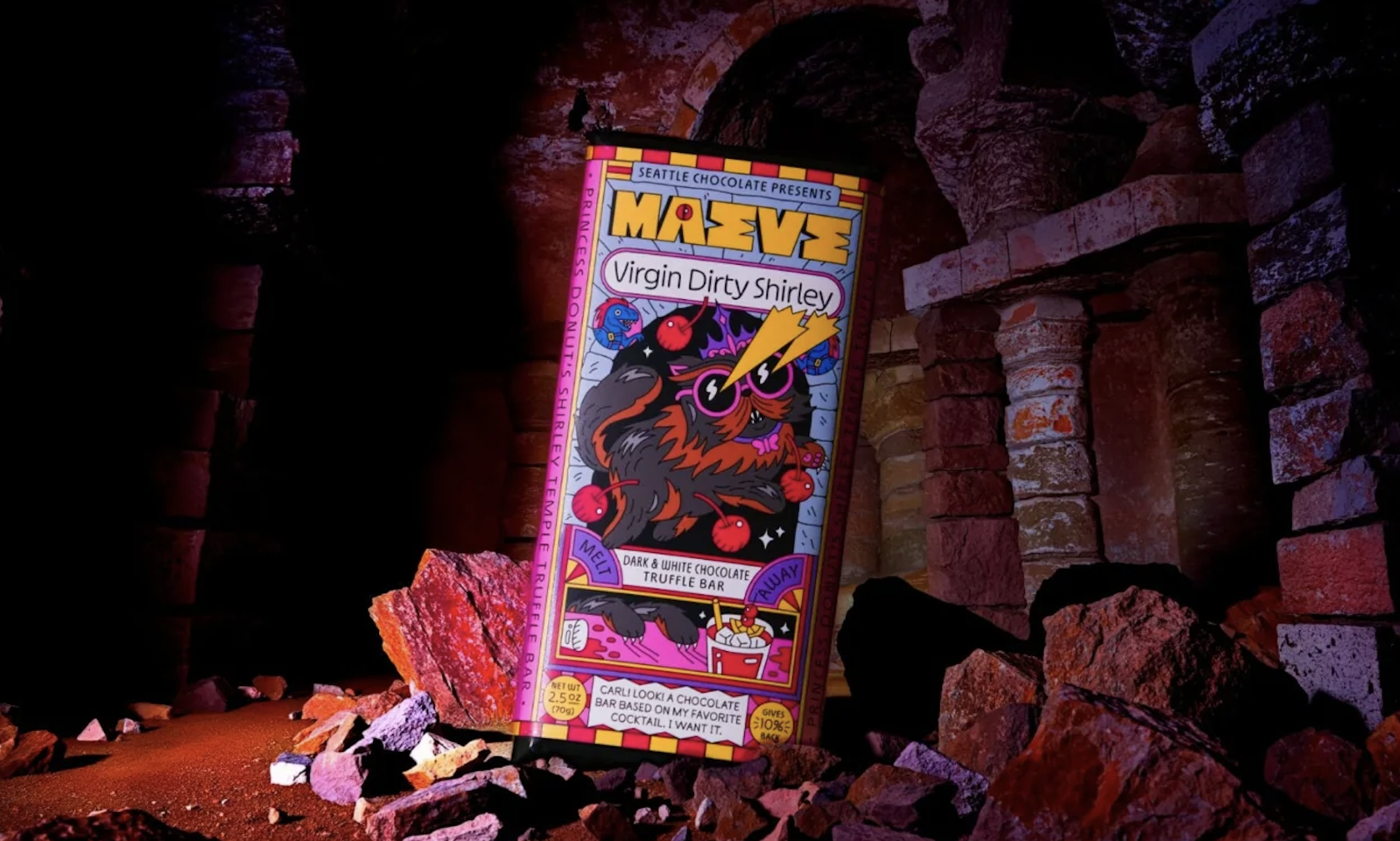
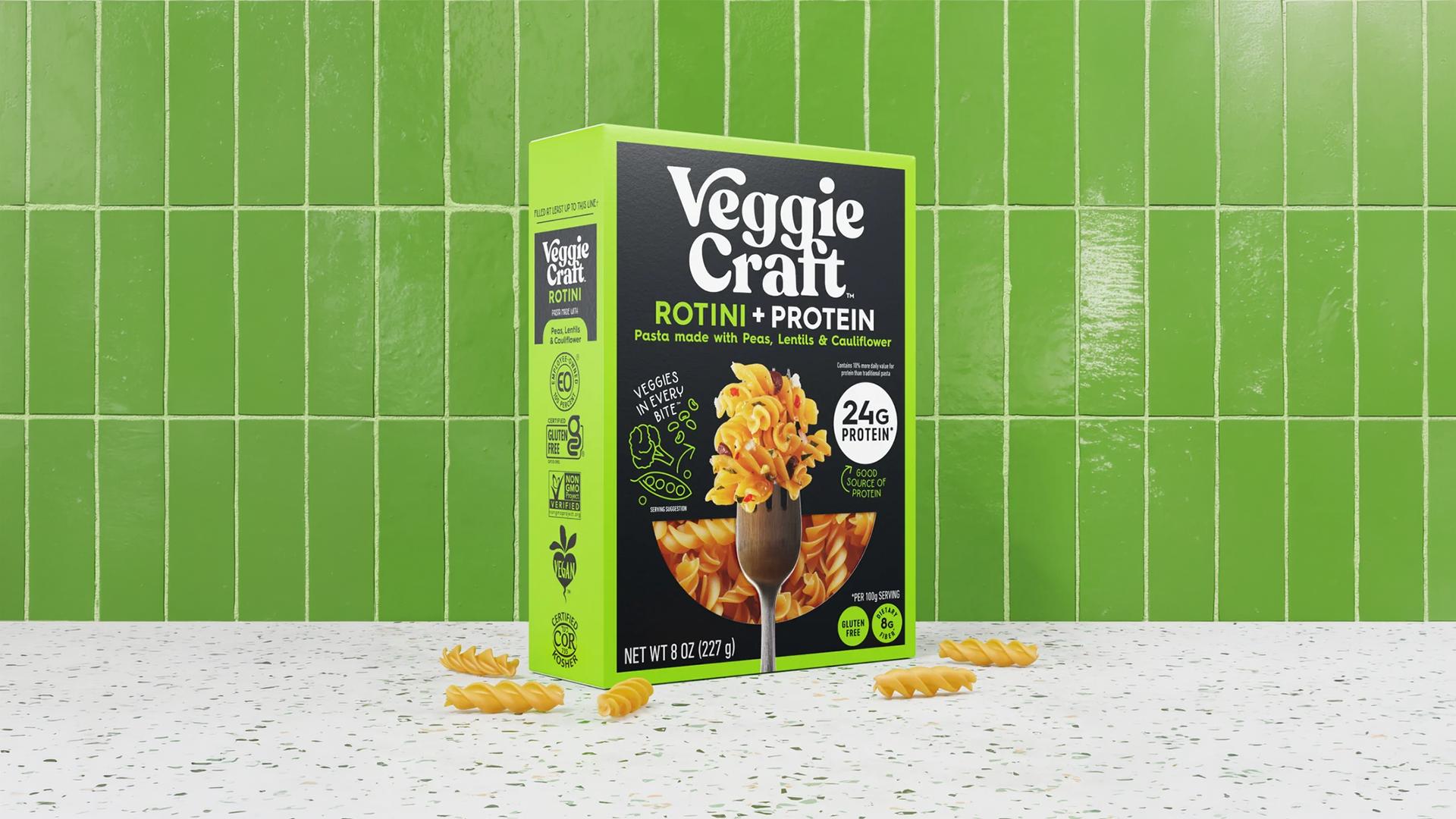
Across recent projects, from Young Jerks’ playful packaging for Maeve’s chocolate collection to Zero Studios’ vibrant redesign for Veggie Craft pasta, a clear pattern emerges: design intelligence is shifting focus from generic shelf presence to deeply specific, often tactile, user engagement and narrative resonance. These examples highlight a deliberate move towards formats and aesthetics that communicate directly with a defined audience, whether through niche storytelling for a fantasy-themed treat or the reinvention of comfort food for a discerning adult palate. The emphasis is on meaningful connection and functional interaction over broad, undifferentiated appeal.
The widespread adoption of aluminum tubes for food products offers a potent case study. Conventional industry thinking often equates a premium “unboxing experience” with elaborate, multi-component packaging that unfolds in a ceremonial way. However, the aluminum tube challenges this directly. Its appeal lies in its immediate, tactile functionality: the satisfying resistance of the squeeze, the precise control of dispensing, and the cool, clean feel of the metal. This offers an “unboxing” centered on direct product interaction and utility, rather than a layered reveal. This stands in stark contrast to the conventional wisdom that sustainable packaging must inherently sacrifice a premium feel, or that luxury must necessitate elaborate, often wasteful, material accumulation. An aluminum tube, by offering excellent product protection and being endlessly recyclable as a single-material solution, demonstrates that a genuinely premium and sustainable experience can arise from intelligent functional design. Its distinct silhouette on the shelf, diverging from traditional jars and bottles, also creates an understated yet impactful visual differentiation.
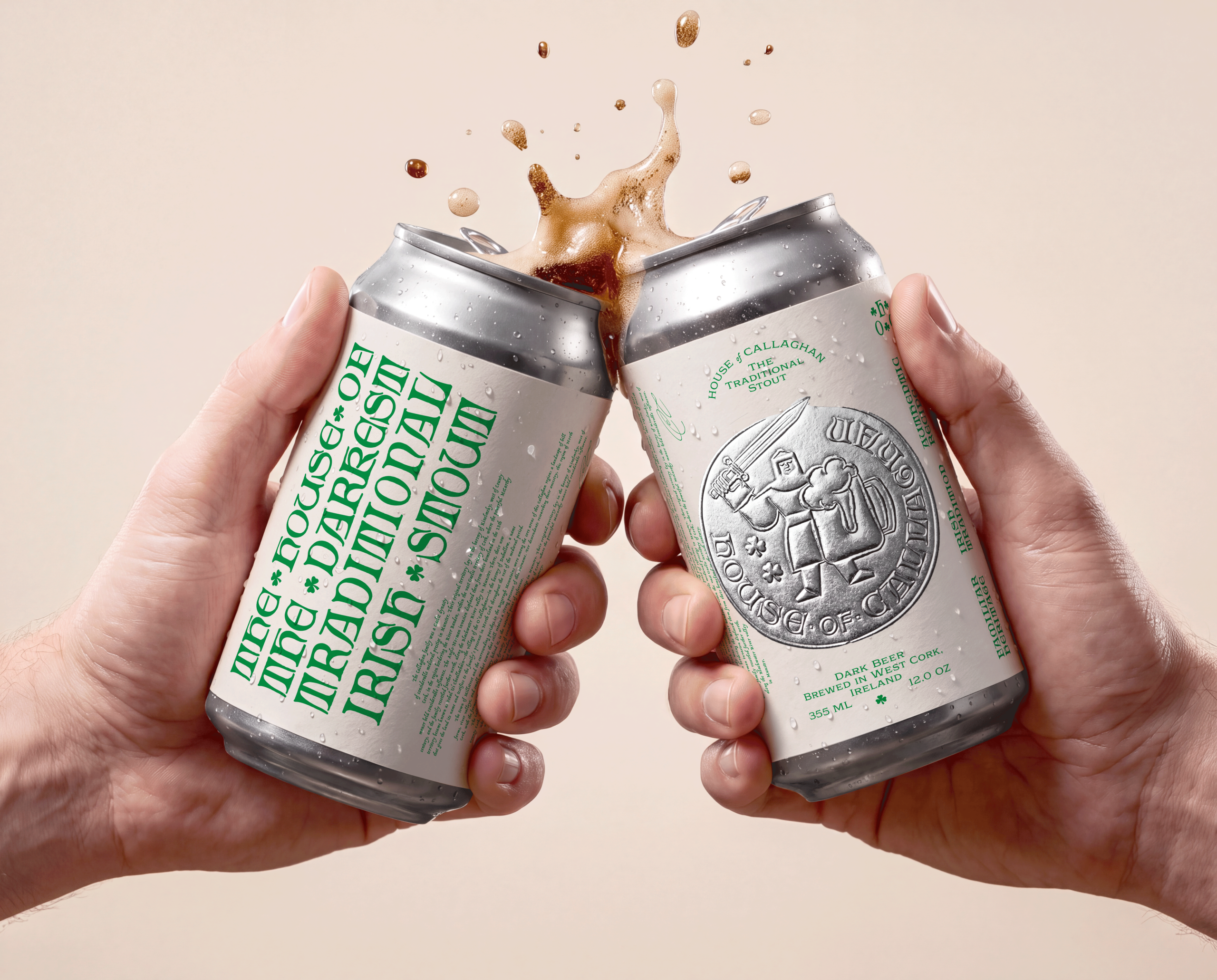
This shift signifies that authentic engagement is increasingly found not in superfluous layers, but in the inherent qualities and interaction points of the primary packaging itself. The functional elegance of a precisely engineered tube, or the rich narrative evoked by Estudio Cariño’s conceptual medieval knight for House of Callaghan stout, demonstrates that impactful branding and responsible material practice can converge through thoughtful structural and aesthetic design. Packaging is evolving into a more integral part of the product experience itself. By mid-2028, industrial-design-led, single-material primary packaging solutions are projected to experience a 20% increase in uptake across premium CPG categories, extending their reach beyond food and beauty into sectors such as home cleaning and pet care. This expansion will be driven by both consumer demand for convenience and industry pressure for greater material circularity.
The primary force resisting this evolution remains the ingrained inertia of existing manufacturing infrastructure and supply chains. Significant capital investment is often required to retool production lines from conventional rigid containers or flexible pouches to specialized tube-filling machinery. Furthermore, established retail display conventions, which are frequently optimized for standard box-shaped or cylindrical items, can present an unforeseen barrier to the widespread adoption of more curvilinear or unconventional formats, challenging the visual merchandising strategies of retailers.
Working packaging professionals should conduct a comprehensive tactile audit of their current product lines this week. This involves evaluating not just visual appeal and informational clarity, but also the physical interaction points: the grip, weight, sound of opening, ease of dispensing, and the overall material feel against the skin. The goal is to identify opportunities where a single-material, highly functional primary package can not only improve the user experience through direct, tangible interaction but also offer a more responsible material lifecycle. This proactive approach allows brands to enhance their perception and stand out on shelves without resorting to unnecessary packaging complexity.
TL;DR
Packaging innovation is shifting to functional, tactile formats and niche storytelling over broad appeal and complex unboxing rituals.
Curated References

About this editorial — This piece was developed using AI-assisted research and curation across multiple industry sources. All analysis, opinions, and predictions represent the editorial perspective of JHDD. Sources are linked in the references section above.